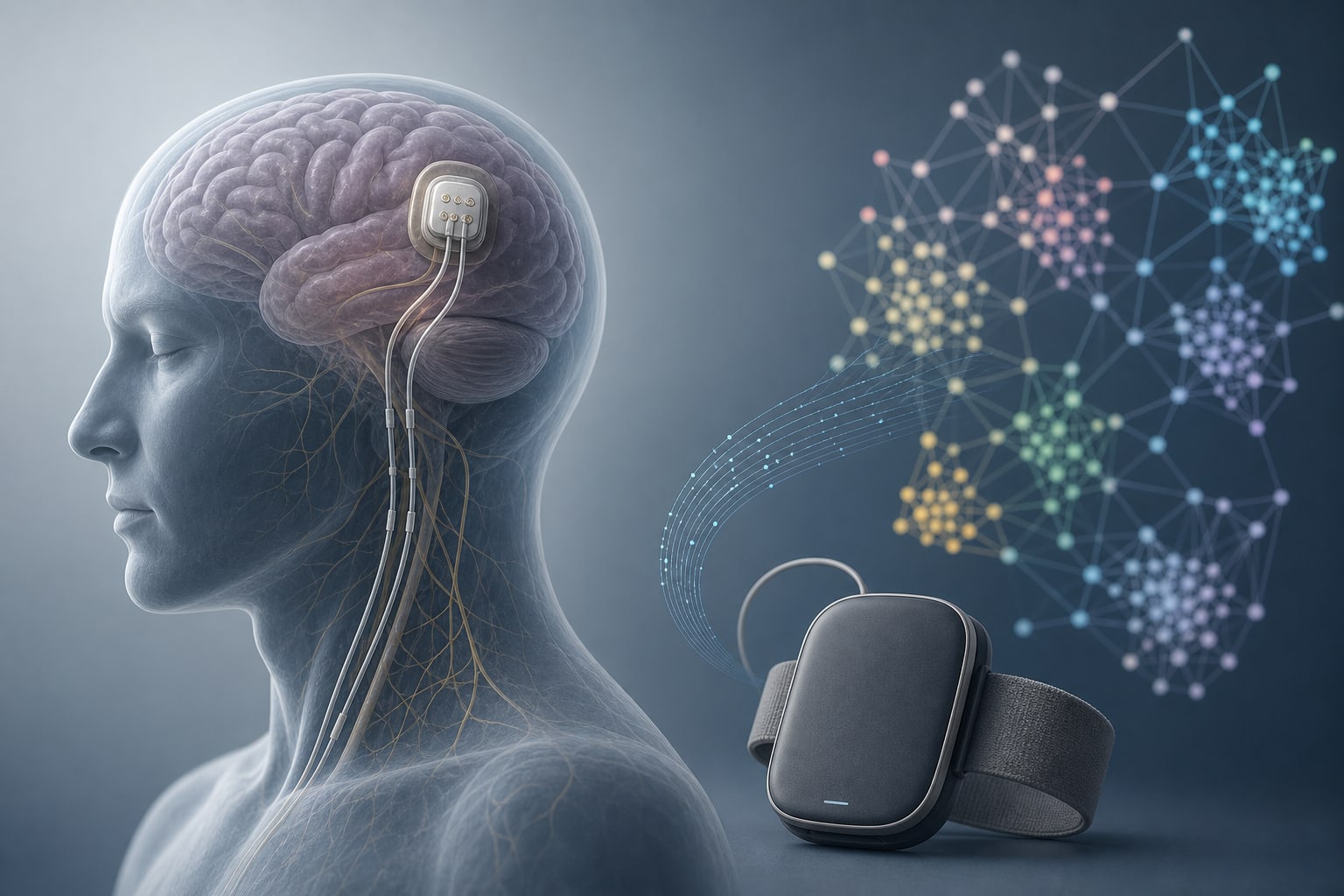
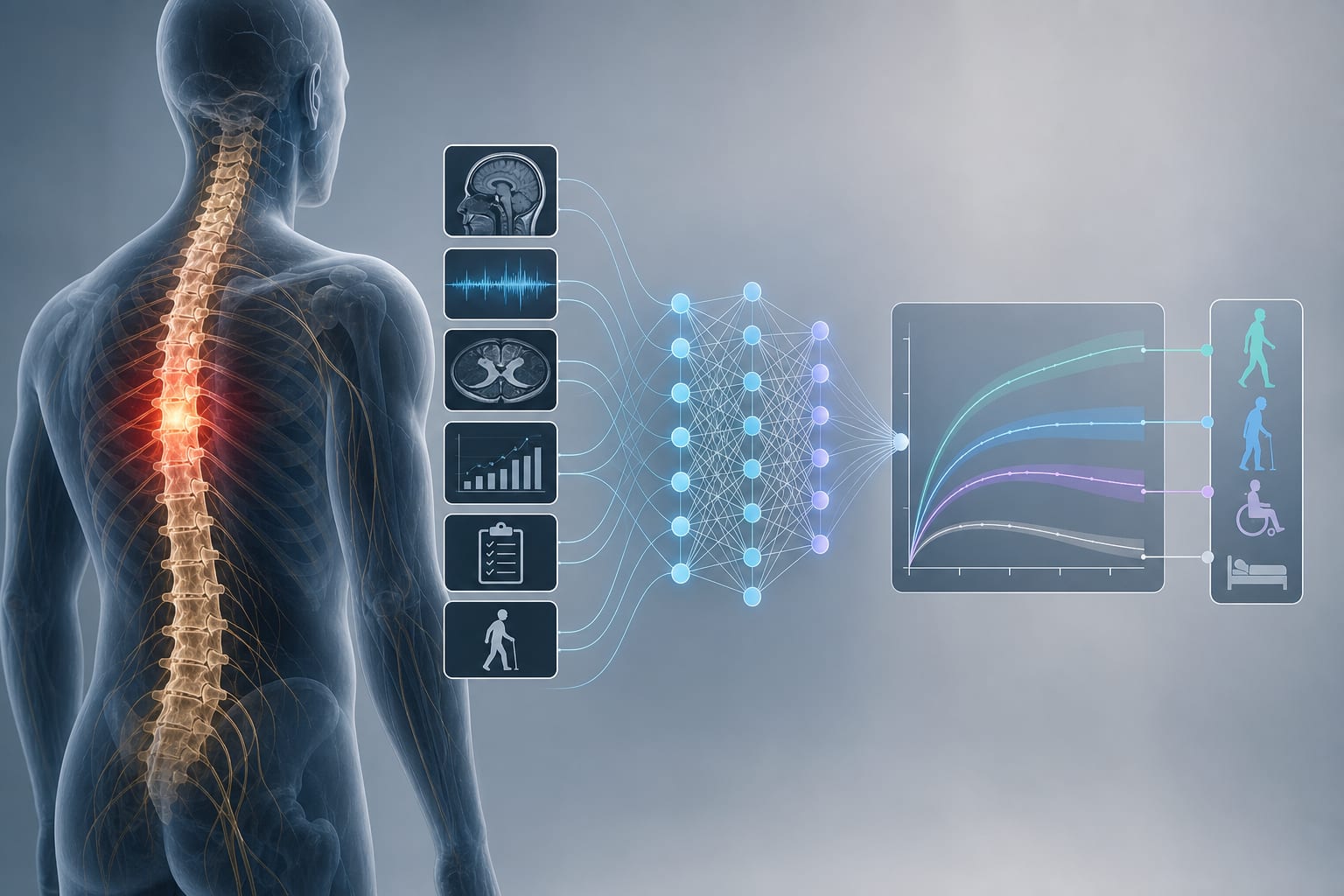
To analyze trends in smart bioelectronics research over the past 5 years and suggest future research directions.
Approach:
Data Collection: Relevant studies were identified from the PubMed database using bioelectronics-related keywords combined with AI-related terms.
Analysis Techniques: Frequency analysis and latent Dirichlet allocation (LDA)–based topic modeling were applied to analyze research trends.
Key Findings:
Smart bioelectronics provide therapeutic effects through physical stimulation without drugs, reducing side effects.
The market for bioelectronics is expanding, particularly in the US and Europe, while the domestic bioelectronics market is still in its initial stages.
Topic modeling can systematically analyze research trends and suggest future directions in smart bioelectronics research.
Interpretation:
Smart bioelectronics represent a promising alternative for treating chronic and neurological diseases through personalized therapy.
Limitations:
The terminology in the field of bioelectronics is not unified, which may obscure technical identities.
The domestic bioelectronics market is still in its initial stages, limiting competitiveness.
Conclusion:
The study highlights the need for clear concepts and classification systems in bioelectronics research and industrialization.