To map responsible-AI evidence in medical imaging disease detection, identify methodological gaps, and synthesize clinical implications across heterogeneous modalities, diseases, and AI architectures using a PRISMA-informed systematic review.
Approach:
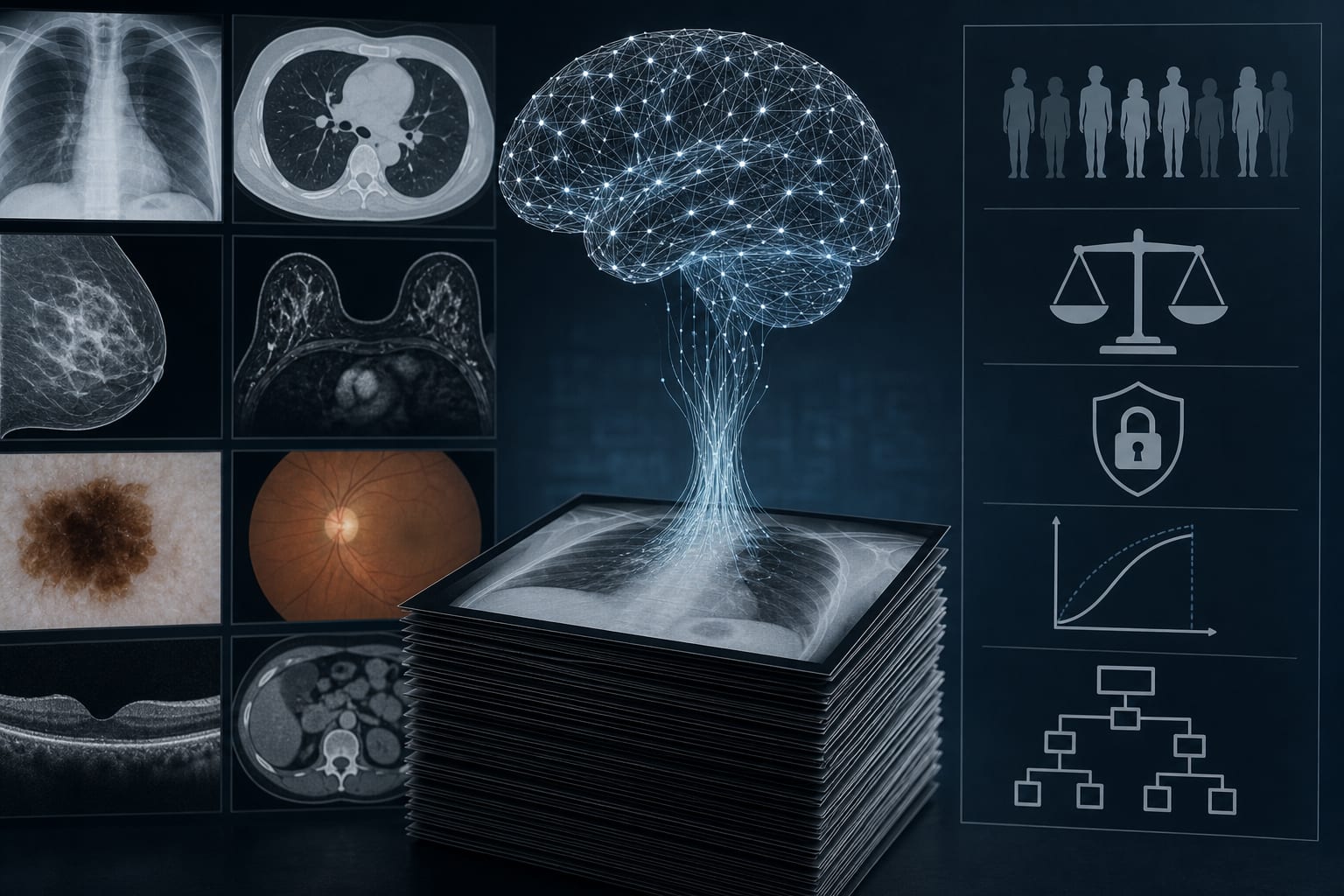
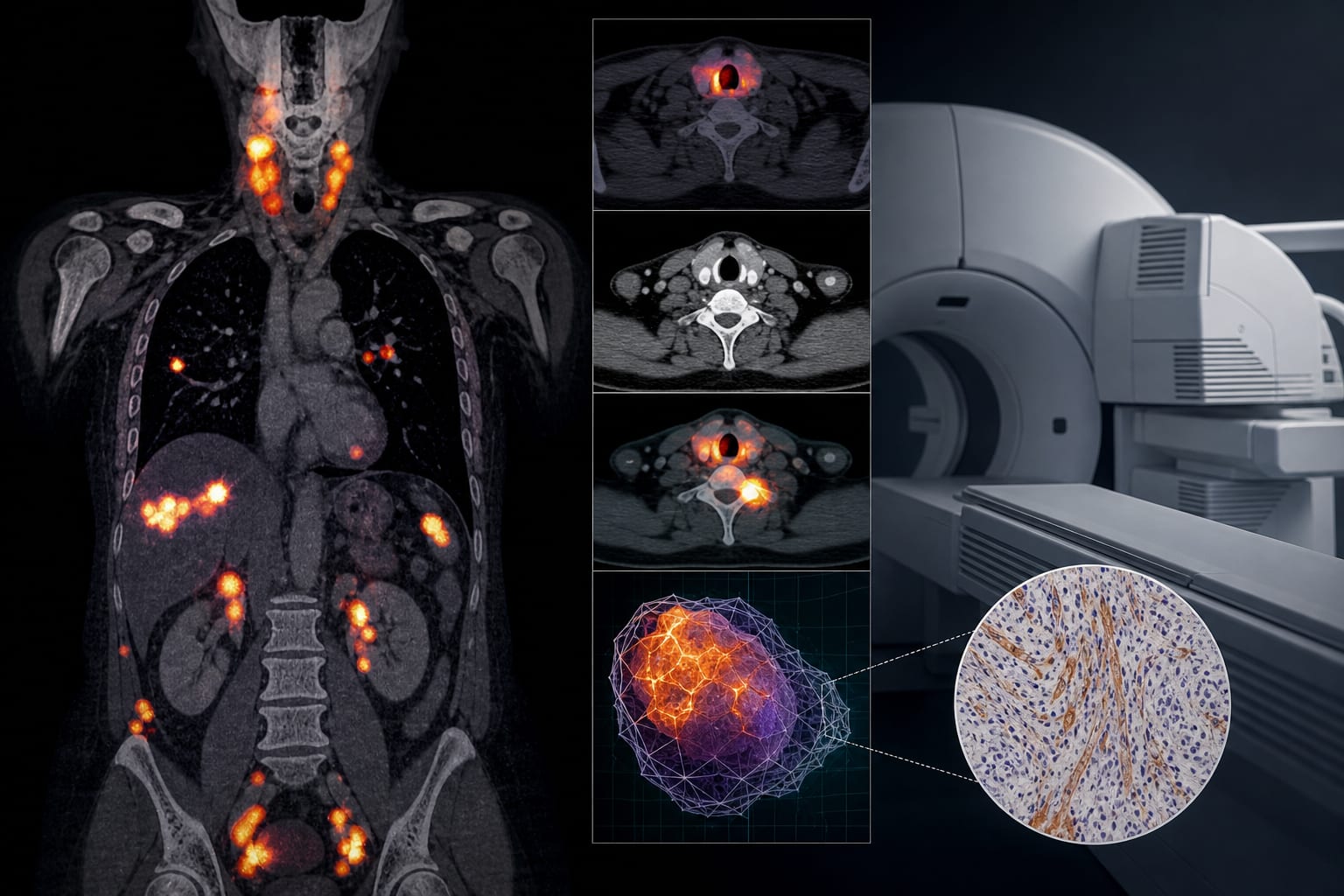
Systematic Review: This PRISMA-informed systematic review synthesized 24 studies published between 2020 and 2025 that used AI for disease detection in various imaging modalities, including X-ray, CT, MRI, mammography, ultrasound, dermoscopy, retinal fundus imaging, and optical coherence tomography.
Key Findings:
Explainability methods dominated the evidence base, while fairness, privacy, and uncertainty were less represented. Several studies reported accuracy or sensitivity above 90%, but these should be interpreted cautiously due to reliance on internal validation and curated datasets.
Responsible AI in medical imaging requires evaluation through multidimensional evidence, including external validation and privacy risk analysis.
Interpretation:
Responsible AI in medical imaging must consider generalizability, privacy, fairness, explainability, uncertainty, safety, and physician trust.
Limitations:
Included studies varied significantly in disease area, imaging modality, dataset size, model architecture, validation type, and performance metrics. No quantitative meta-analysis was conducted due to the heterogeneity of included studies, which limited the ability to draw generalized conclusions.
Conclusion:
Responsible medical-imaging AI should be evaluated through multidimensional evidence, including external validation and privacy risk analysis, rather than solely on diagnostic accuracy.
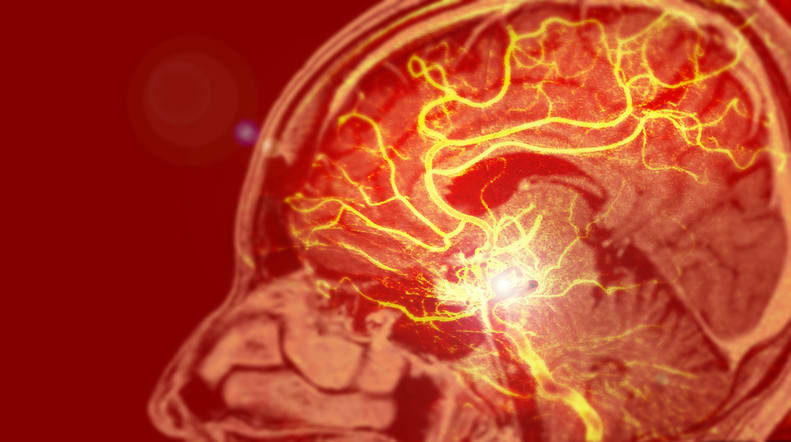
A regional UK audit found wide variation in imaging intervals among patients referred for mechanical thrombectomy and identified potentially modifiable barriers to timely vascular imaging.