To systematically evaluate the association between HPV viral load and disease progression, prognosis, and tumor immune microenvironment in patients with cervical cancer.
Approach:
Key Findings:
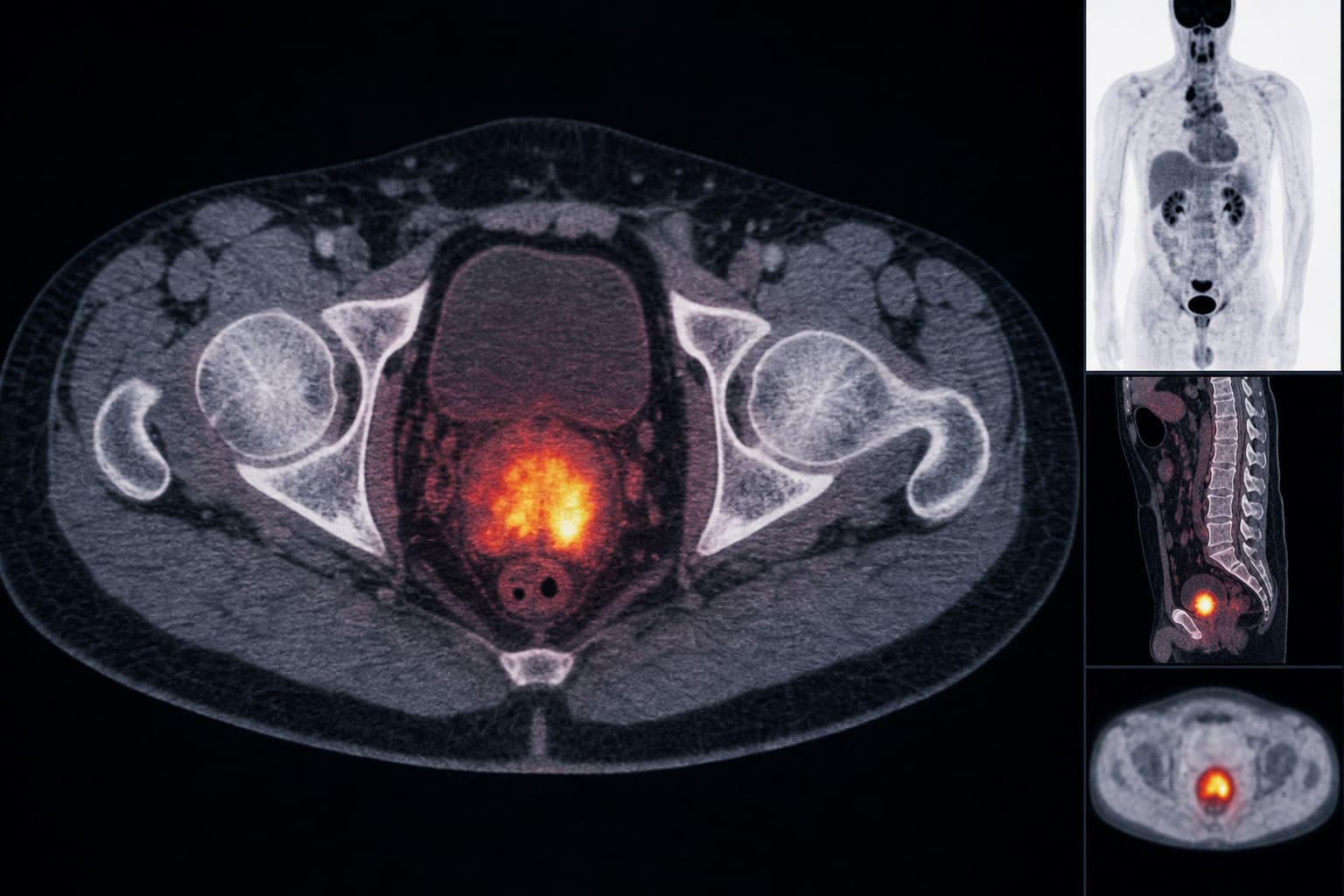
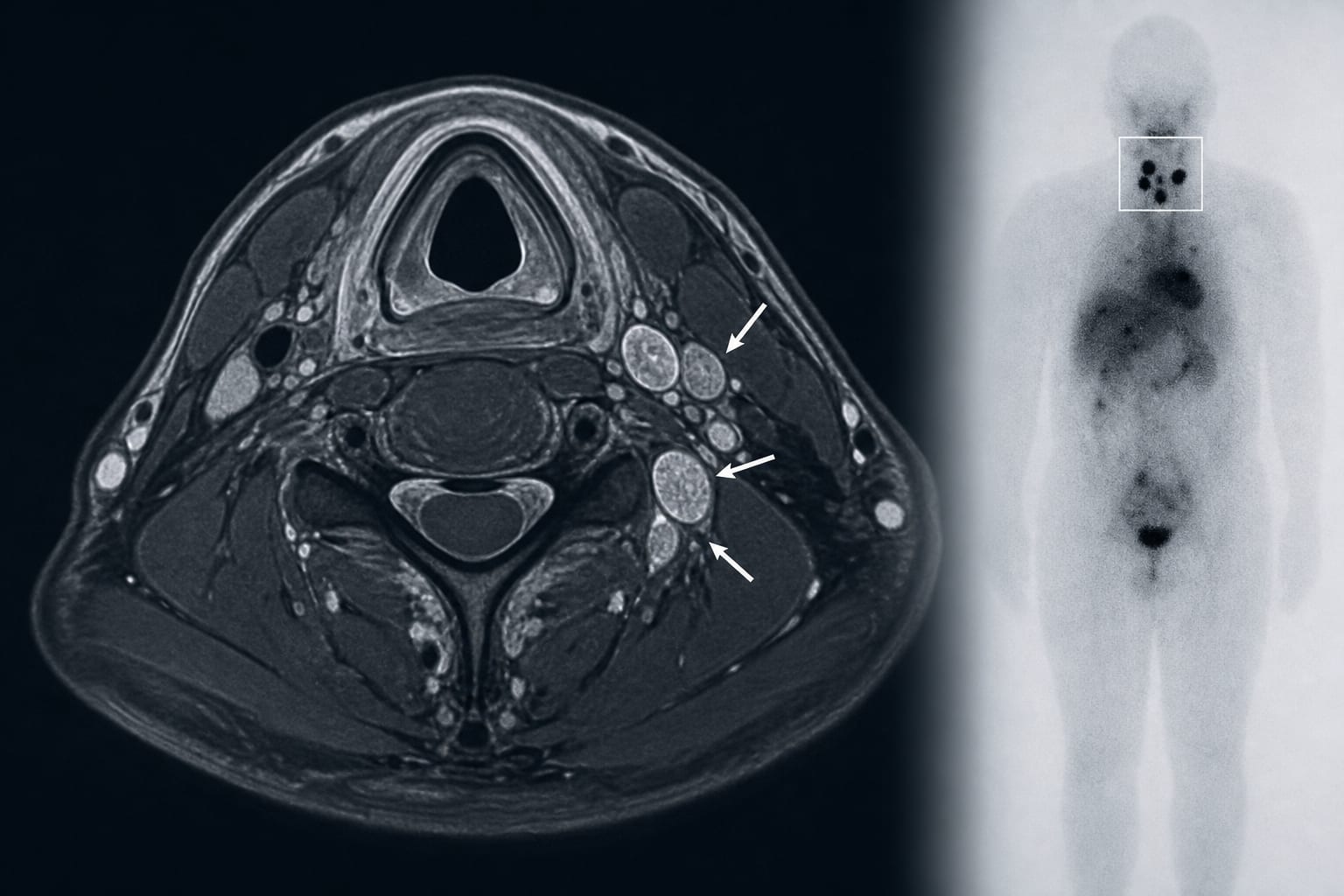
High HPV viral load (log10 ≥5.6) was significantly associated with advanced disease stage (p < 0.001) and lymph node metastasis (28.3% vs. 13.5%, p = 0.002).
Higher recurrence rates were observed in the high viral load group (27.4% vs. 13.0%, p = 0.002).
Five-year overall survival (OS) and recurrence-free survival (RFS) showed trends toward worse outcomes in the high viral load group, but the differences were not statistically significant (log-rank p = 0.38 and p = 0.068, respectively).
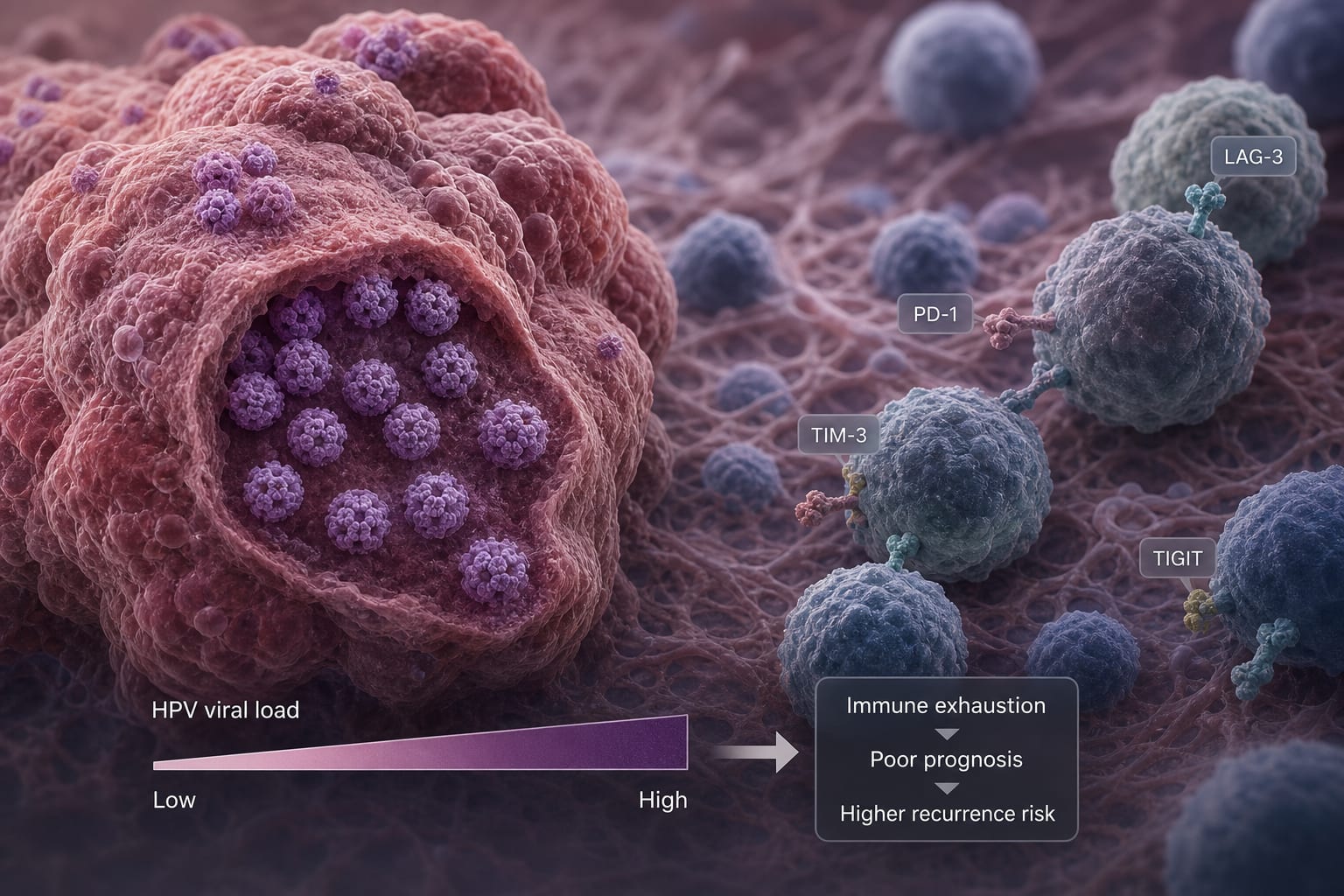
High viral load correlated with reduced tumor-infiltrating lymphocytes (TILs) and lower PD-L1 positivity.
Post-treatment viral load decline was significantly associated with lower recurrence risk (OR 4.12 for slow decline, p = 0.02).
Interpretation:
High HPV viral load is linked to an immunosuppressive tumor microenvironment and increased tumor proliferation.
Limitations:
The study is retrospective, which may introduce bias.
The sample size may limit the generalizability of the findings.
Conclusion:
Incorporating HPV viral load into routine assessment may improve risk stratification and guide personalized treatment strategies.