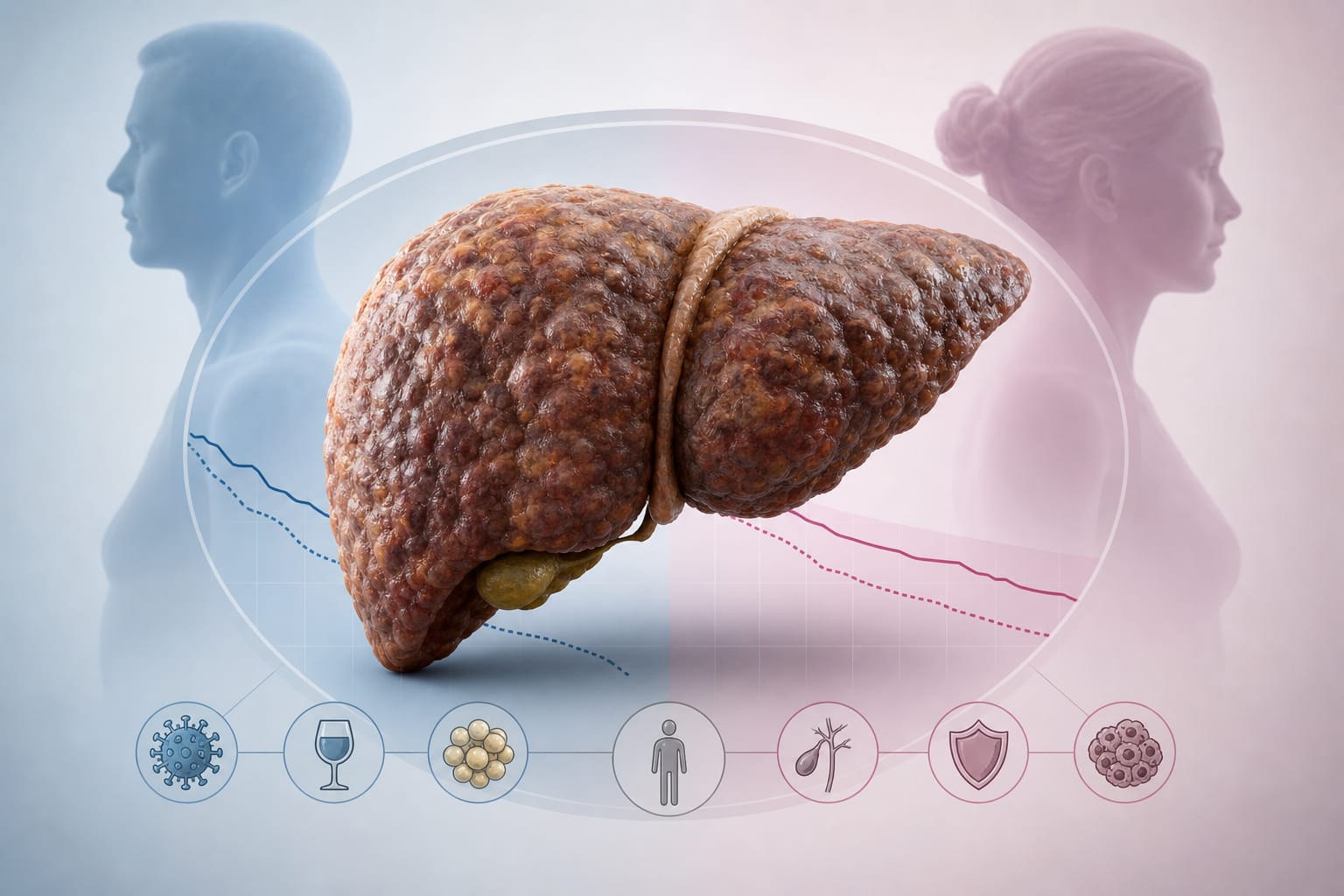
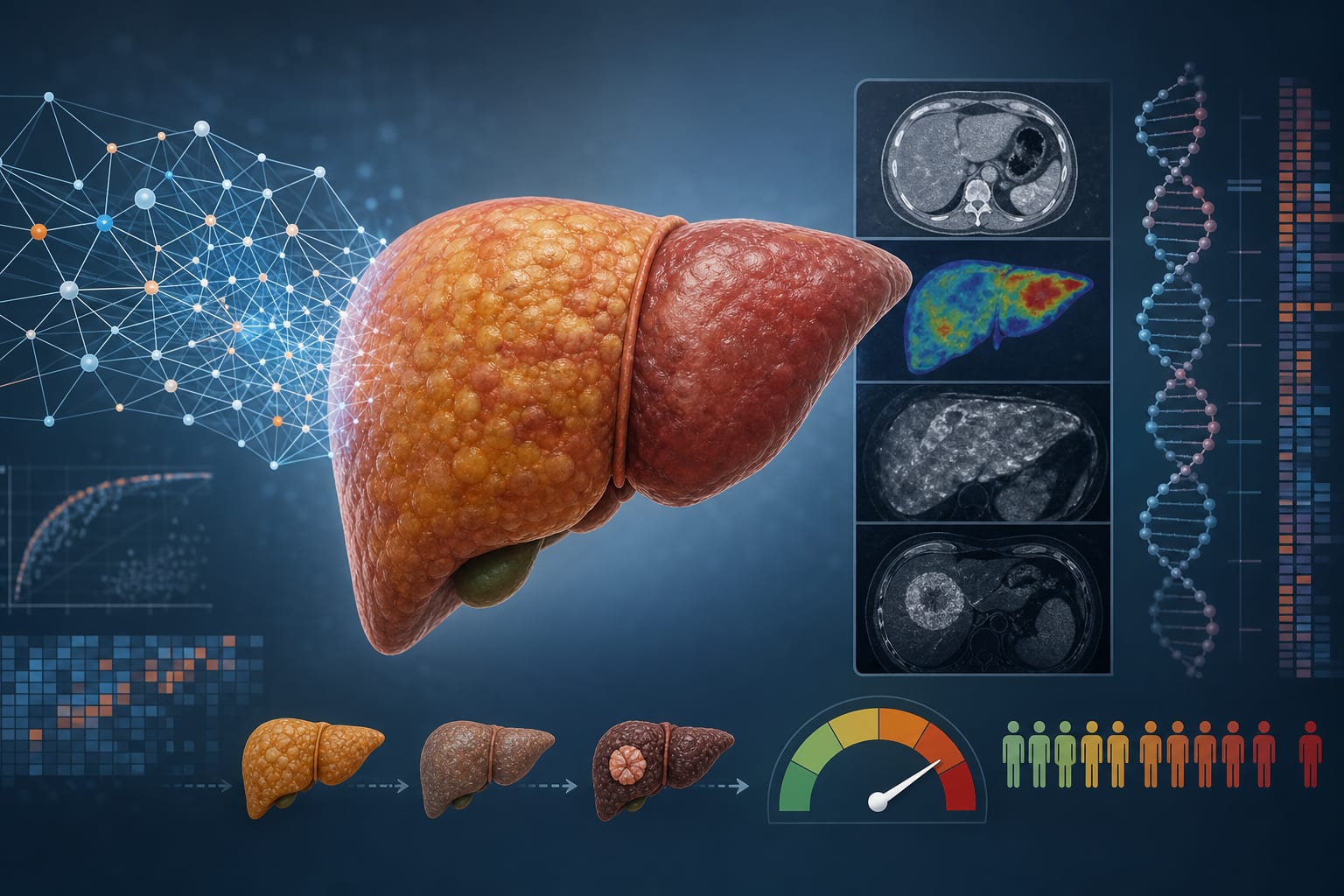
To integrate fine-needle aspiration (FNA) and single-cell RNA sequencing (scRNA-seq) for immune profiling in a metabolic dysfunction-associated steatotic liver disease (MASLD) animal model.
Approach:
Method: label
Method: text
Key Findings:
The FNA-scRNA-seq framework allows for safe, high-precision longitudinal sampling with fewer animals.
Dynamic shifts in the hepatic immune landscape were observed following dietary intervention.
Interpretation:
The study supports the feasibility of using FNA combined with scRNA-seq for immune profiling in MASLD and MASH studies.
Limitations:
The study primarily focuses on a specific mouse model and diet, which may limit generalizability.
Further validation in diverse models and conditions is necessary, and potential biases in the study should be considered.
Conclusion:
The FNA-scRNA-seq approach is a promising tool for studying chronic liver disease while reducing animal use.