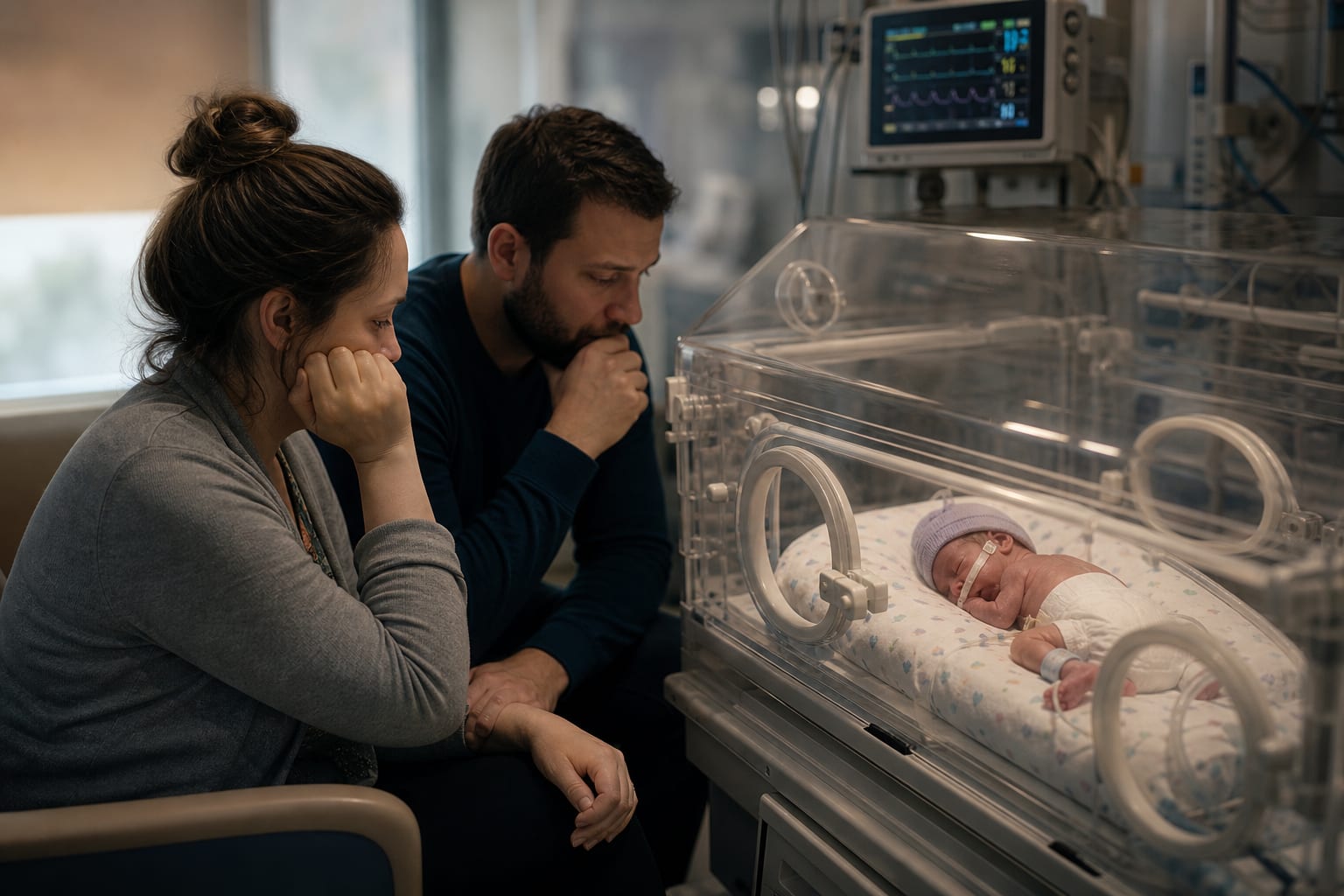
To explore the long-term perspectives of parents with surviving children born in the periviable period.
Approach:
Survey Design: A mixed-methods survey was developed with input from a parental advisory group and received ethics approval.
Participant Selection: Parents of infants born at 22+0 to 24+6 weeks of gestation who were alive and at least 2 years old were surveyed.
Data Collection: The survey included developmental milestone assessments, parental stress scales, and qualitative questions.
Analysis: Reflexive thematic analysis was used to identify themes from qualitative responses.
Key Findings:
Developmental outcomes varied; four children achieved age-appropriate milestones, while six had varying degrees of developmental delay.
Parents reported significant caregiving stress, with many indicating that care required more time and energy than they had available, yet all expressed satisfaction in their parental roles.
Pre-birth conversations were often perceived as overly pessimistic, focusing predominantly on negative outcomes, which parents felt limited discussions about the possibility of survival.
Parents experienced a lack of compassion from professionals, recalling dismissive language and inconsistent information, which led to distrust and emotional impacts.
Interpretation:
Parents expressed a desire for balanced discussions that acknowledge uncertainty and emphasize compassion in periviable care.
Limitations:
Small sample size and potential non-response bias.
Response rate may have been affected by the survey's paper-based design.
Conclusion:
The findings suggest a need for improved pre-birth conversations that incorporate compassionate, trauma-informed principles and respect for parental values.