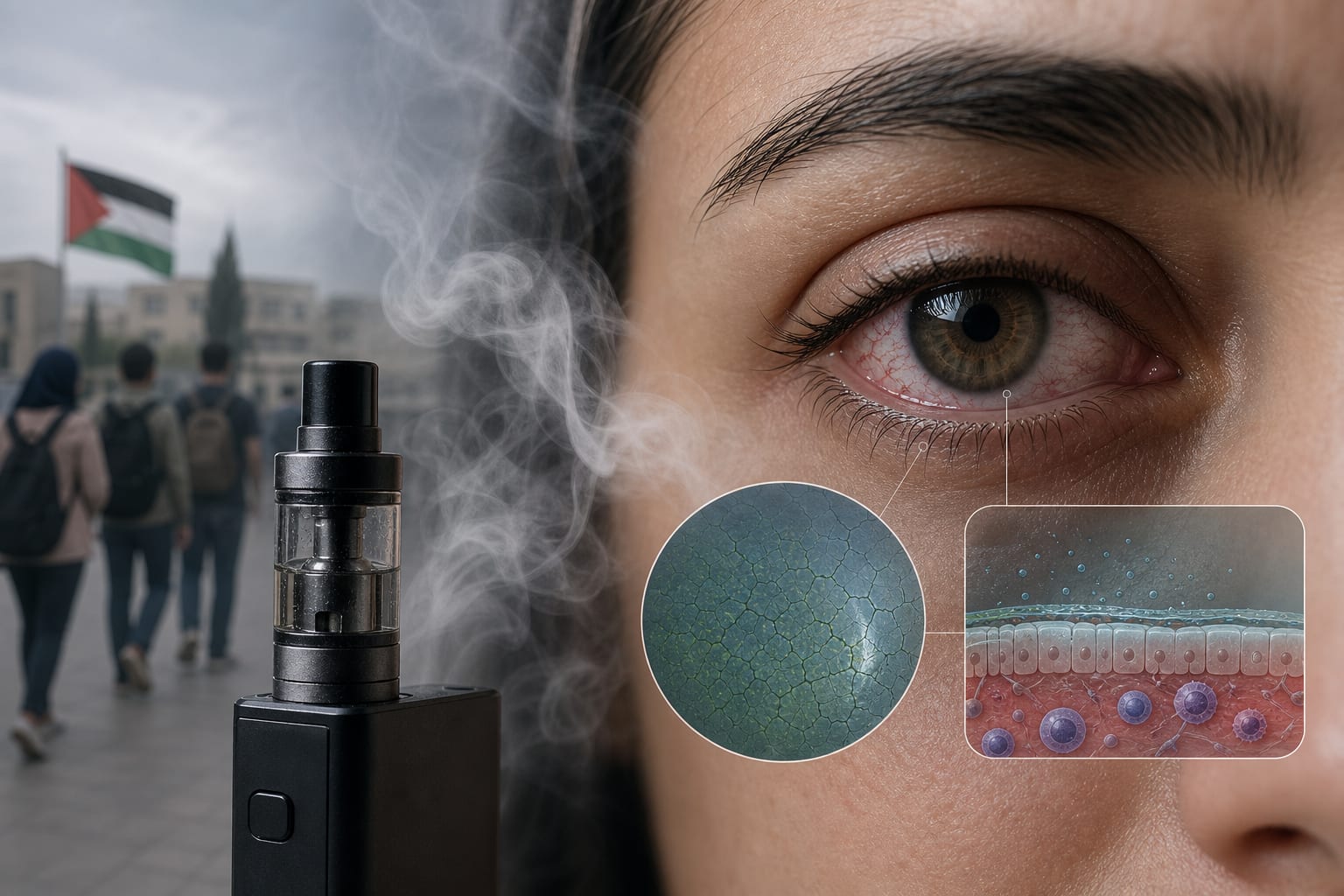
To investigate the prevalence of meibomian gland abnormalities in asymptomatic adults and assess the implications for Meibomian gland dysfunction (MGD).
Approach:
Key Findings:
71% of upper eyelids and 51% of lower eyelids showed meiboscore ≥1, indicating gland dropout.
Telangiectasia present in 82% and gland plugging in 84% of subjects.
Median FTBUT was 5.04 seconds, with no significant age-related differences.
Schirmer I test indicated significant age-related differences in tear function.
Interpretation:
The study suggests that asymptomatic individuals may already be experiencing early stages of MGD, highlighting the need for proactive screening and potential early intervention.
Limitations:
Small sample size of 60 participants.
Cross-sectional design limits causal inferences.
Conclusion:
Asymptomatic individuals may have significant meibomian gland abnormalities, indicating that absence of symptoms does not equate to absence of disease. Early detection and intervention could alter the progression of dry eye disease.
Background music and multimedia exposure were associated with lower patient-reported anxiety in a quasi-experimental ophthalmology clinic study that used existing clinic audiovisual infrastructure at no additional cost.