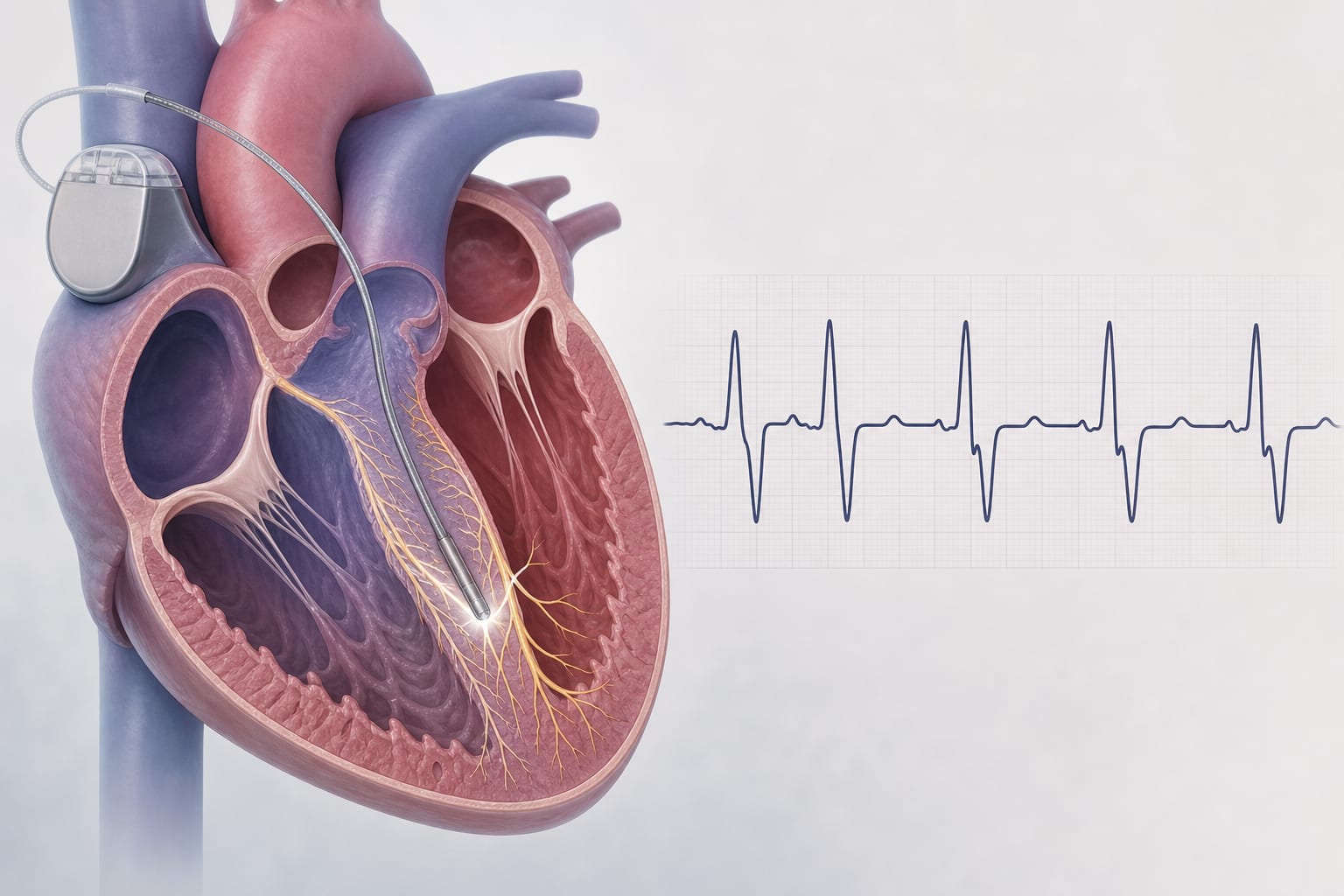
To report two cases of polymorphic ventricular tachycardia (VT) associated with KCNJ2 gene mutations and enhance the understanding of their clinical implications.
Key Findings:
Both patients exhibited polymorphic VT and prolonged QT intervals, highlighting the arrhythmogenic potential of KCNJ2 mutations.
The first patient had a high PVC burden and did not experience syncope over 10 years despite persistent arrhythmia, indicating a benign clinical course.
The second patient showed a significant reduction in PVC burden after flecainide treatment, suggesting its potential as a therapeutic option.
Interpretation:
Arrhythmias due to KCNJ2 mutations respond poorly to most antiarrhythmic drugs, but flecainide may be a promising therapeutic option, emphasizing the need for tailored treatment strategies.
Limitations:
The therapeutic effects of antiarrhythmic drugs were variable and not consistently effective, indicating the need for further research.
Long-term follow-up data on the patients were limited to 10 years, which may not fully capture the long-term outcomes of KCNJ2 mutation carriers.
Conclusion:
KCNJ2 mutations are linked to polymorphic VT, and while they may lead to benign clinical courses, treatment responses can vary significantly, necessitating individualized management strategies.