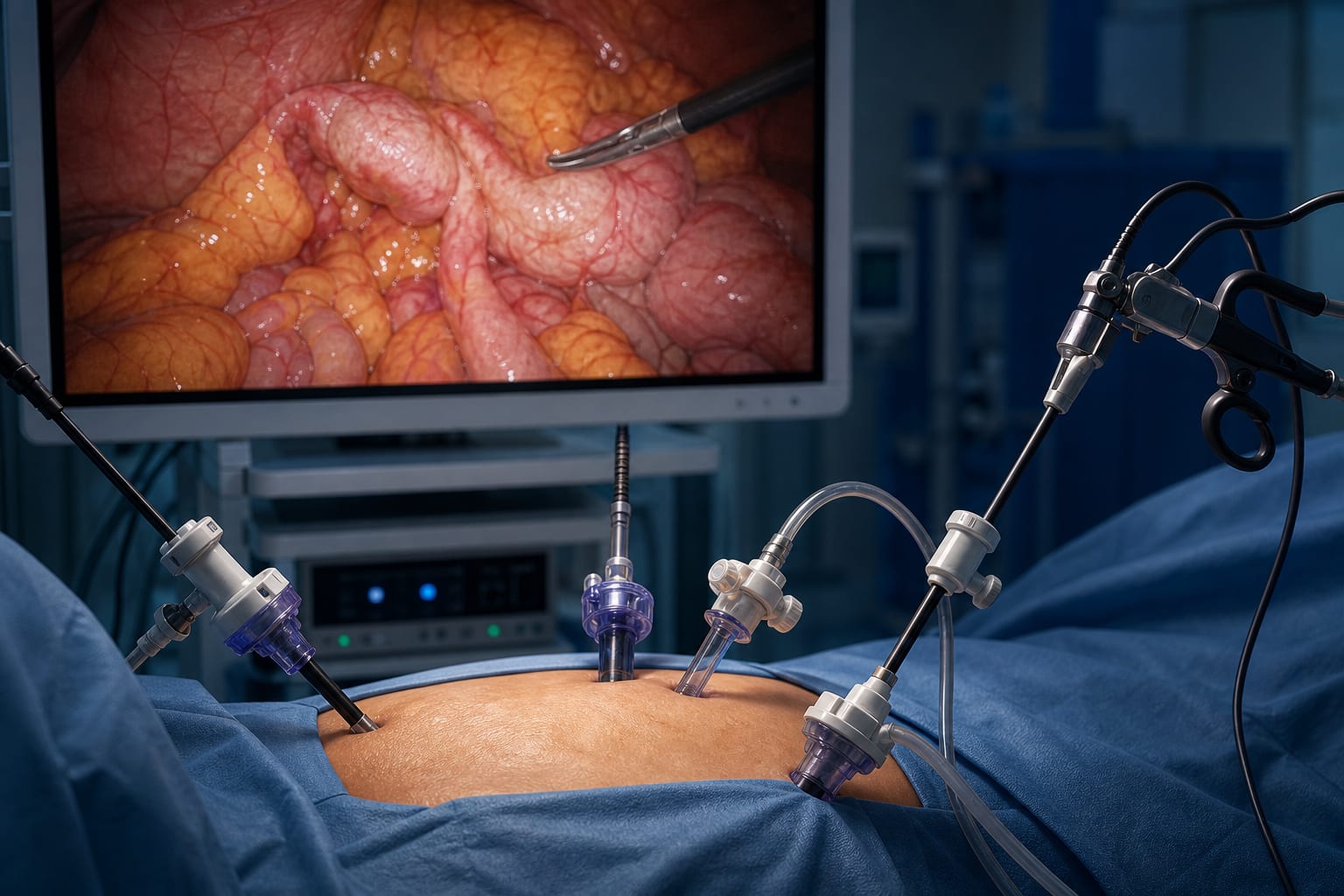
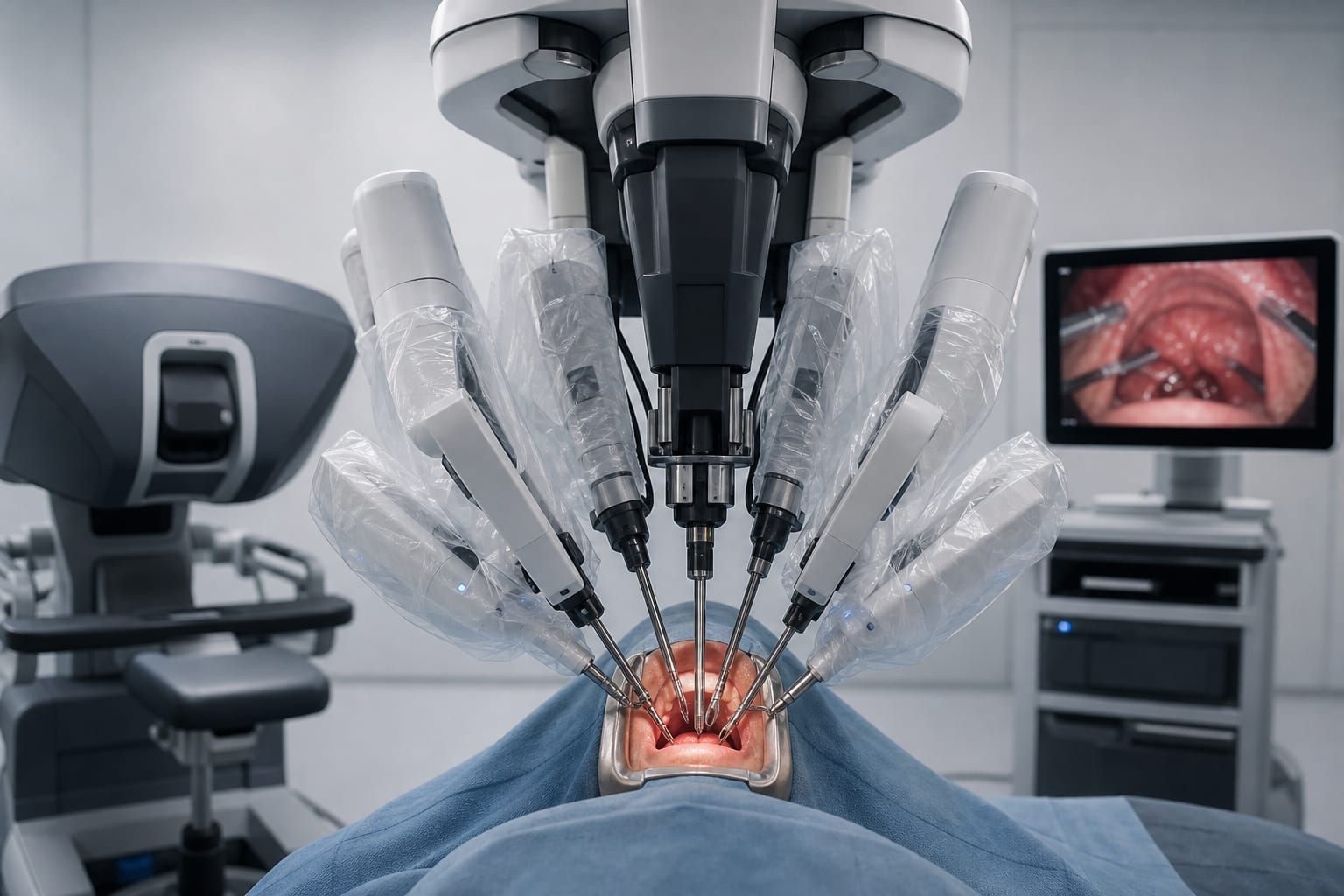
To identify independent preoperative predictors of conversion to open surgery in patients undergoing elective laparoscopic ileocecal resection for Crohn’s disease and to clarify the influence of disease behavior on conversion likelihood.
Approach:
Study Design: Retrospective cohort study of patients undergoing elective laparoscopic ileocecal resection for Crohn’s disease.
Patient Selection: Included adult patients (≥ 18 years) from May 2011 to October 2025, categorizing them into laparoscopic and conversion groups.
Data Collection: Collected preoperative variables (demographics, clinical status, surgical history), intraoperative variables, and postoperative outcomes.
Statistical Analysis: Performed univariate analyses and developed a multivariable logistic regression model using LASSO for predictor identification.
Key Findings:
Out of 575 patients, 485 (84.3%) completed the procedure laparoscopically, while 90 (15.7%) required conversion to open surgery (p < 0.05).
Patients in the conversion group were significantly older (median age 37.5 years, IQR 30-45) and had a higher median BMI (22.1 kg/m2, IQR 20-25) compared to the laparoscopic group (p < 0.05).
Interpretation:
The study aims to clarify the predictors of conversion to open surgery and the impact of disease behavior on conversion risk.
Limitations:
Retrospective design may introduce selection bias.
Findings may not be generalizable beyond the studied tertiary care population.
Conclusion:
The study provides insights into factors influencing conversion rates in laparoscopic surgery for Crohn’s disease.
by Tommaso Violante, Stefano Cardelli, Giacomo Calini, Marco Novelli, Nicola Renzi, Lorenzo Gentilini, Nikolas Konstantine Dussias, Fernando Rizzello, Matteo Rottoli