Catastrophic STS/SVS type B3 aortic dissection complicated by hepatic portal venous gas and multi-organ malperfusion: a case report - Summary - MDSpire
Advertisement
Catastrophic STS/SVS type B3 aortic dissection complicated by hepatic portal venous gas and multi-organ malperfusion: a case report
To highlight the diagnostic significance of the presence of hepatic portal venous gas (HPVG) in acute aortic dissection complicated by visceral malperfusion.
Key Findings:
The patient exhibited a significant systolic blood pressure gradient between upper limbs due to dissection affecting the left subclavian artery.
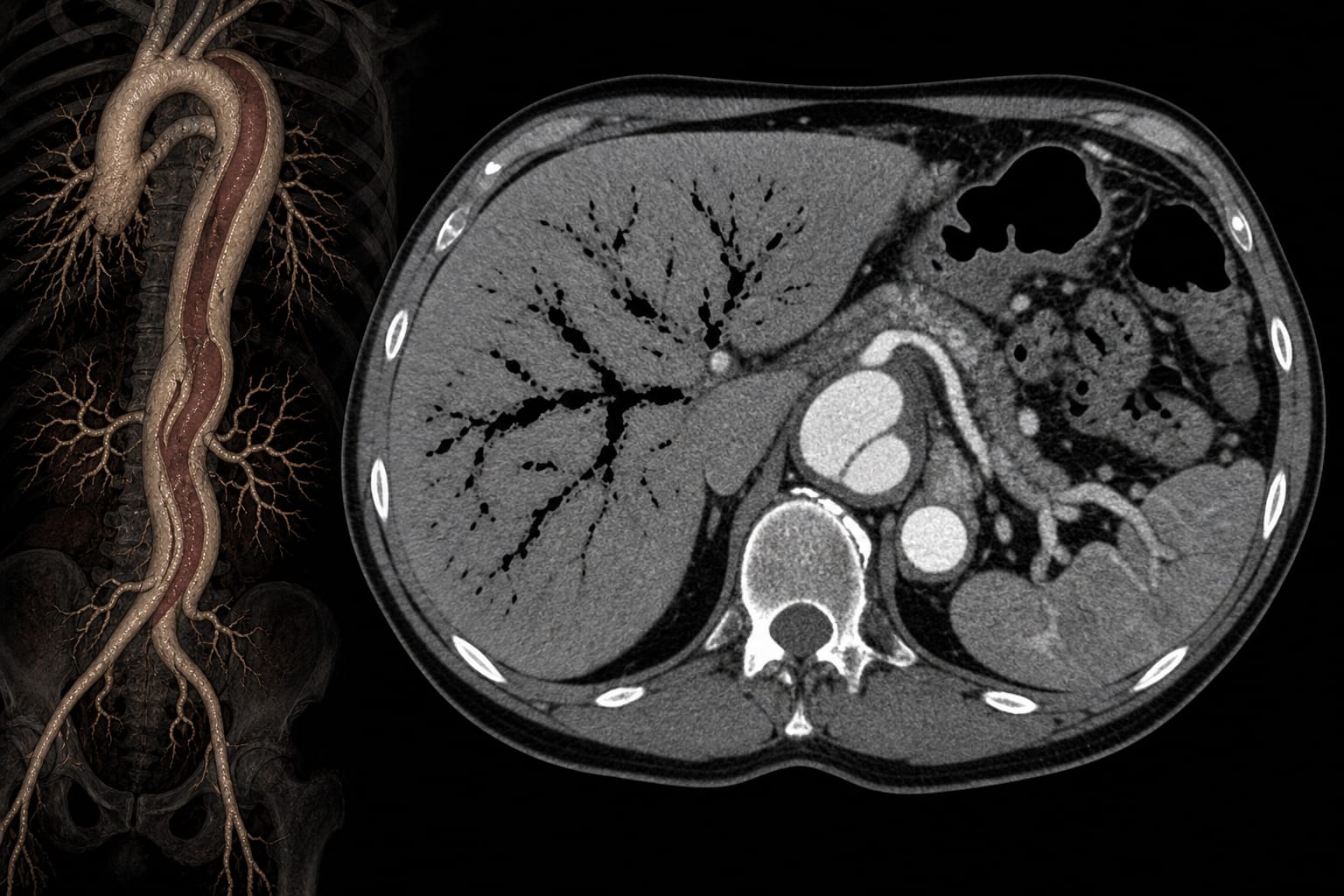
CTA showed an STS/SVS Type B3 aortic dissection extending from the aortic arch to the iliac arteries.
HPVG and pneumatosis intestinalis were present, indicating severe visceral malperfusion.
Laboratory results indicated leukocytosis (WBC 27.1 × 10^9/L) and a massive cytokine storm (IL-6: 14,001.98 pg/mL).
Interpretation:
This case illustrates the rapid clinical deterioration associated with STS/SVS Type B3 dissection and complex visceral malperfusion, emphasizing the critical need for early CTA recognition of HPVG to prevent irreversible damage.
Limitations:
The case is a single patient report, limiting generalizability and applicability to broader populations.
No long-term follow-up data is available due to the patient's rapid decline, which limits understanding of outcomes.
Conclusion:
Early recognition of HPVG in the context of aortic dissection is crucial for identifying irreversible intestinal damage and guiding timely clinical decision-making.