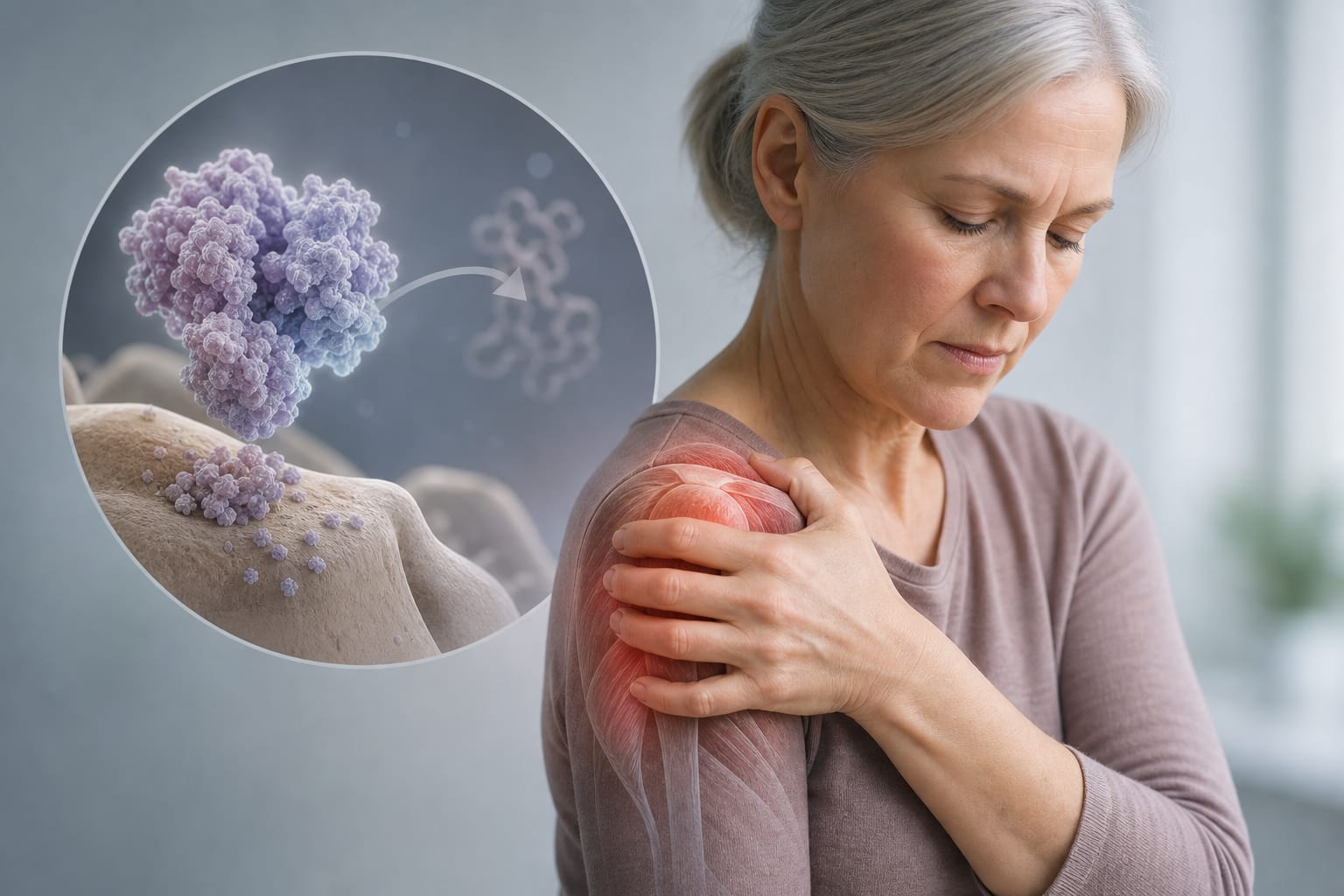
To explore the mechanisms of taxane-induced neuropathic pain (TINP) and propose clinical and experimental interventions targeting these pathways, emphasizing the significant impact on breast cancer survivors' quality of life.
Key Findings:
TINP significantly impairs quality of life and can lead to treatment delays or discontinuation, with 97% of breast cancer survivors experiencing symptoms.
High incidence of TINP reported among breast cancer survivors, with symptoms persisting for years, affecting 41% of patients up to three years post-treatment.
Various interventions show promise but are limited by methodological issues in clinical trials, including small sample sizes and heterogeneity.
Interpretation:
There is a critical need for more rigorous studies to evaluate the effectiveness of targeted interventions for TINP in breast cancer survivors, which could significantly improve patient outcomes.
Limitations:
Small sample sizes in clinical trials limit generalizability.
Heterogeneity in study designs complicates comparisons.
TINP often classified as a secondary outcome, which may underrepresent its impact.
Conclusion:
Future research should focus on mechanism-oriented interventions to improve TINP management in breast cancer rehabilitation, addressing the urgent clinical need.