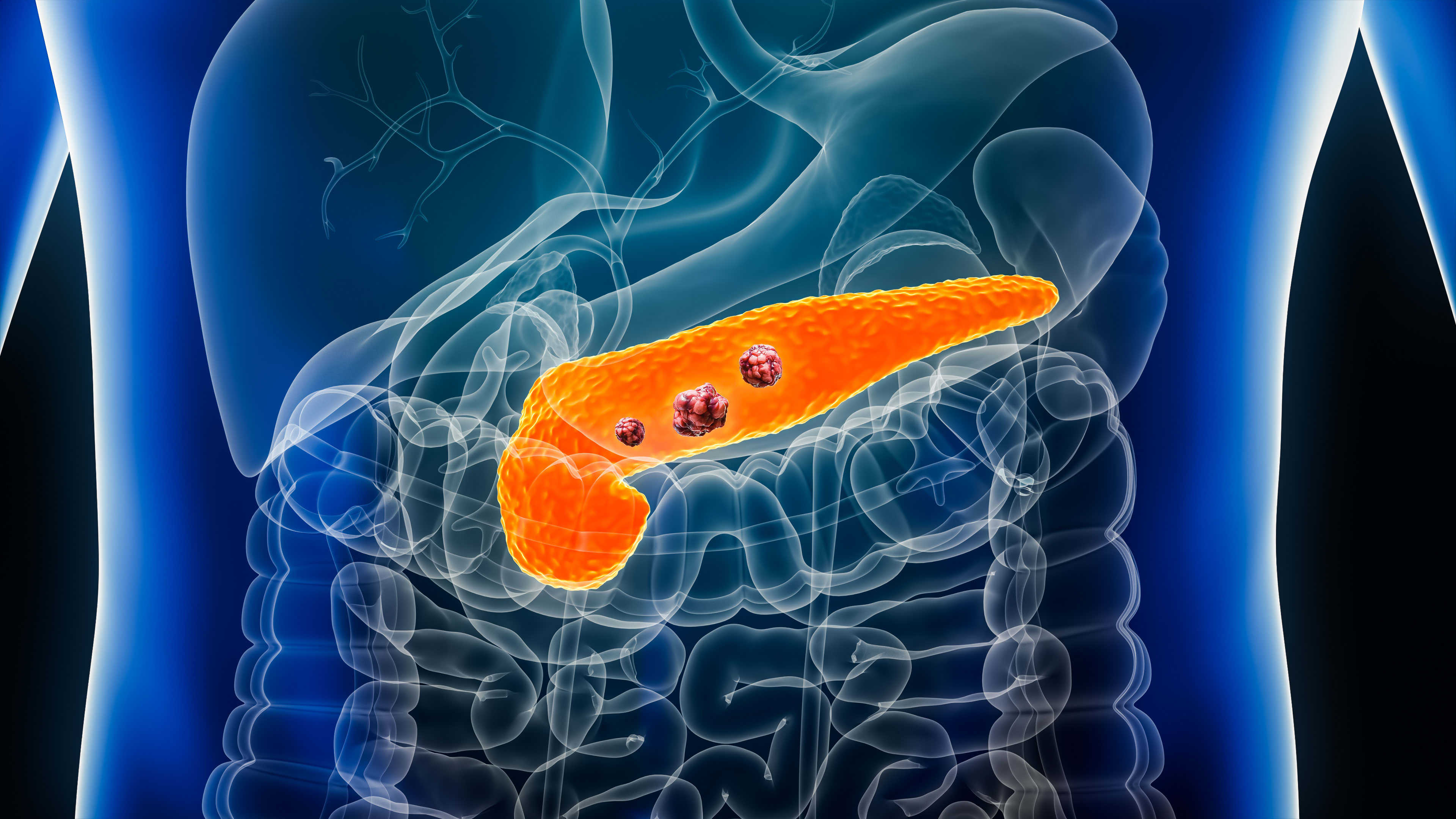
To explore the relationship between CT-quantified body composition parameters, early recurrence (ER), and long-term survival in patients with pancreatic ductal adenocarcinoma (PDAC), aiming to improve patient outcomes.
Key Findings:
Body composition parameters are significantly associated with recurrence and long-term survival in PDAC, indicating their potential as prognostic tools.
Reduced skeletal muscle quality and increased visceral fat correlate with poor prognosis, emphasizing the need for assessment in clinical settings.
CT imaging can effectively quantify body composition metrics relevant to patient outcomes, supporting personalized treatment strategies.
Interpretation:
Body composition metrics obtained from CT imaging may serve as valuable prognostic indicators for early recurrence and overall survival in PDAC patients, suggesting a need for their integration into clinical practice to enhance patient management.
Limitations:
Retrospective design may introduce selection bias; future studies should consider prospective designs.
Single-center data may limit generalizability; multicenter studies are recommended.
Potential confounding factors not fully accounted for; further research should aim to identify and control for these variables.
Conclusion:
CT-quantified body composition parameters can provide critical insights into the prognosis of PDAC, emphasizing the importance of personalized treatment strategies and their integration into routine clinical practice.