To evaluate the efficacy, feasibility, and safety of acupuncture for post-stroke spasticity (PSS) and to explore the underlying anti-spasticity mechanisms, emphasizing the significance of these mechanisms in treatment.
Key Findings:
PSS is a prevalent complication post-stroke, affecting up to 97% of stroke survivors, but the effectiveness of acupuncture is still under investigation.
Acupuncture may alleviate spasticity and enhance motor function, with a Grade B recommendation for PSS management, pending further evidence.
Interpretation:
The trial aims to clarify the efficacy and safety of acupuncture for PSS and investigate its anti-spastic mechanisms.
Limitations:
Existing evidence on acupuncture's effectiveness for PSS is limited and of low quality, with methodological limitations such as small sample sizes and lack of control groups in previous studies.
Methodological limitations in previous studies may affect the reliability of findings.
Conclusion:
The results will provide insights into the potential role of acupuncture in managing PSS, particularly regarding its efficacy and safety.
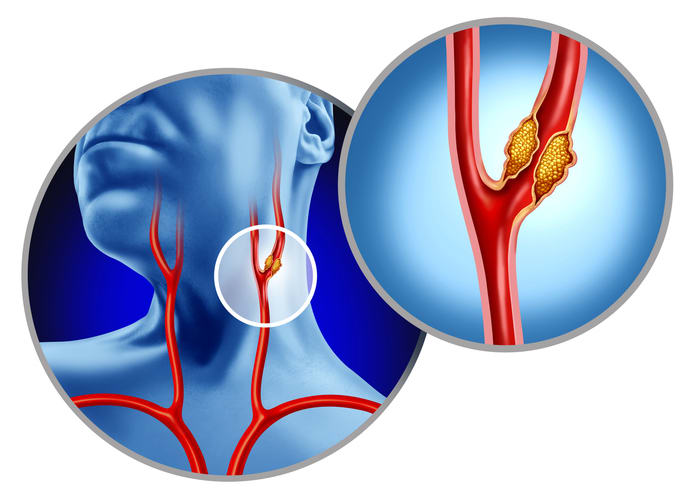
In this procedural case review, vascular surgeon Dr. Samuel Steerman performs a right carotid endarterectomy on a woman in her 60s who experienced a stroke related to carotid artery plaque.