To summarize recent advances in endothelial biology relevant to hereditary angioedema (HAE) and propose a revised conceptual model for HAE pathogenesis, highlighting its significance for understanding disease mechanisms.
Key Findings:
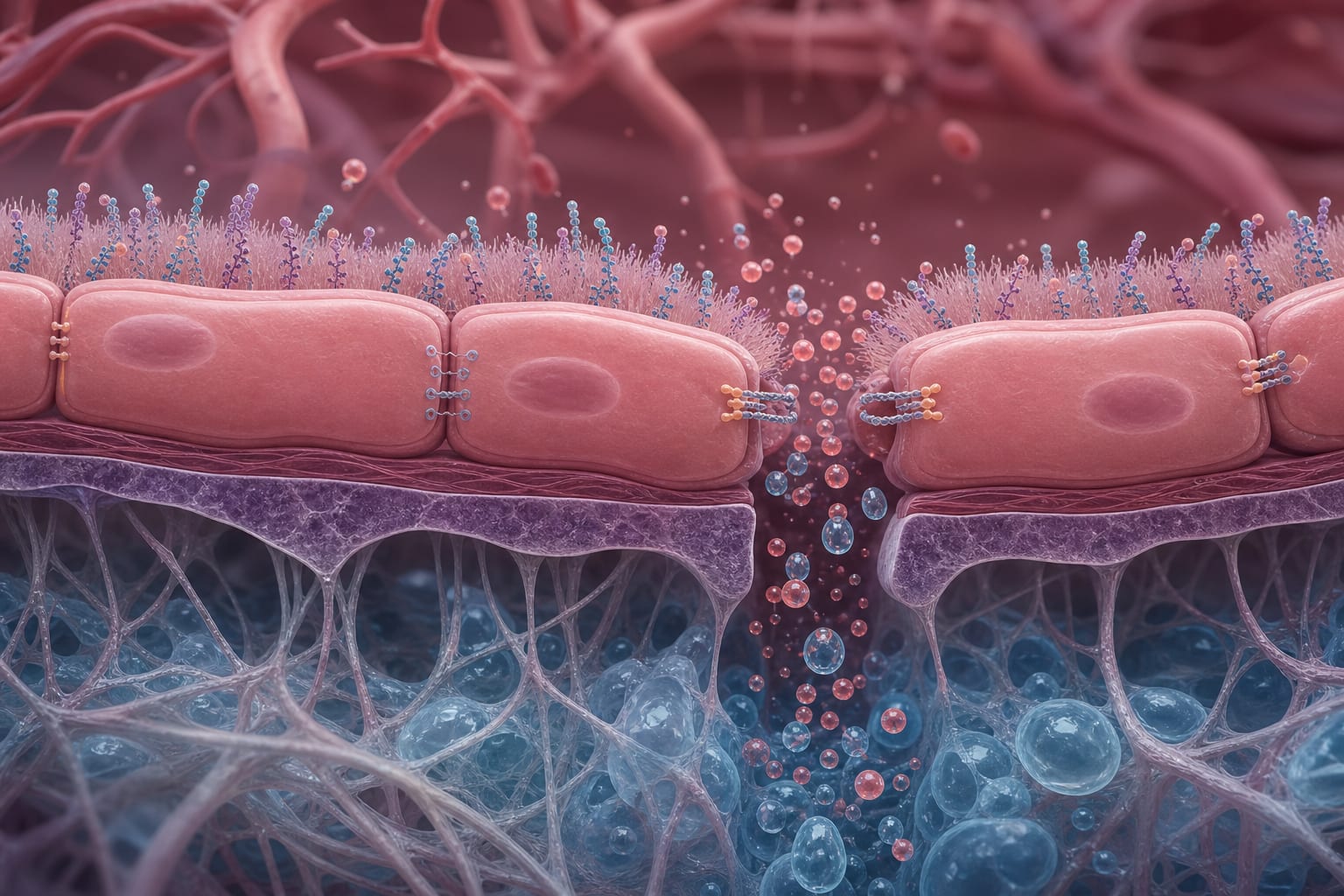
Endothelial dysfunction is a key disease mechanism in HAE, beyond just bradykinin excess, with significant implications for treatment.
Endothelial cells actively regulate vascular permeability and are not merely passive responders to bradykinin, indicating a need for targeted therapies.
Alterations in endothelial-derived or vasoactive molecules can serve as potential biomarkers of disease activity, aiding in patient management.
Interpretation:
The findings suggest a need for an integrated understanding of endothelial biology in HAE, which may inform future biomarker discovery and therapeutic strategies aimed at stabilizing the endothelial barrier.
Limitations:
The review does not provide new experimental data but synthesizes existing knowledge, which may limit the applicability of its conclusions.
Potential biases in the interpretation of endothelial roles in HAE may exist due to the complexity of the disease, affecting the reliability of the proposed model.
Conclusion:
A revised conceptual model for HAE pathogenesis is proposed, emphasizing the role of endothelial dysfunction and its implications for future research and treatment strategies.