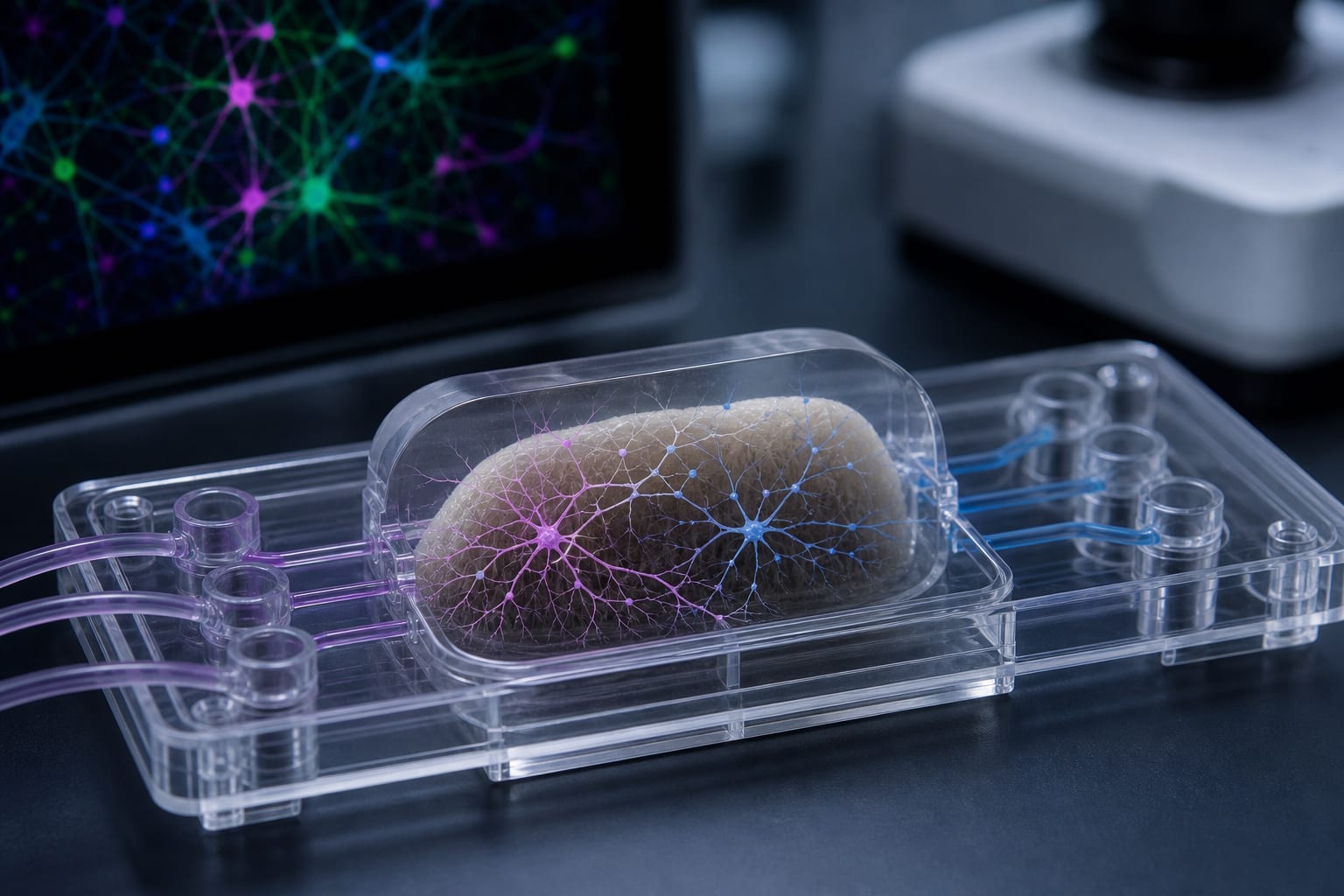
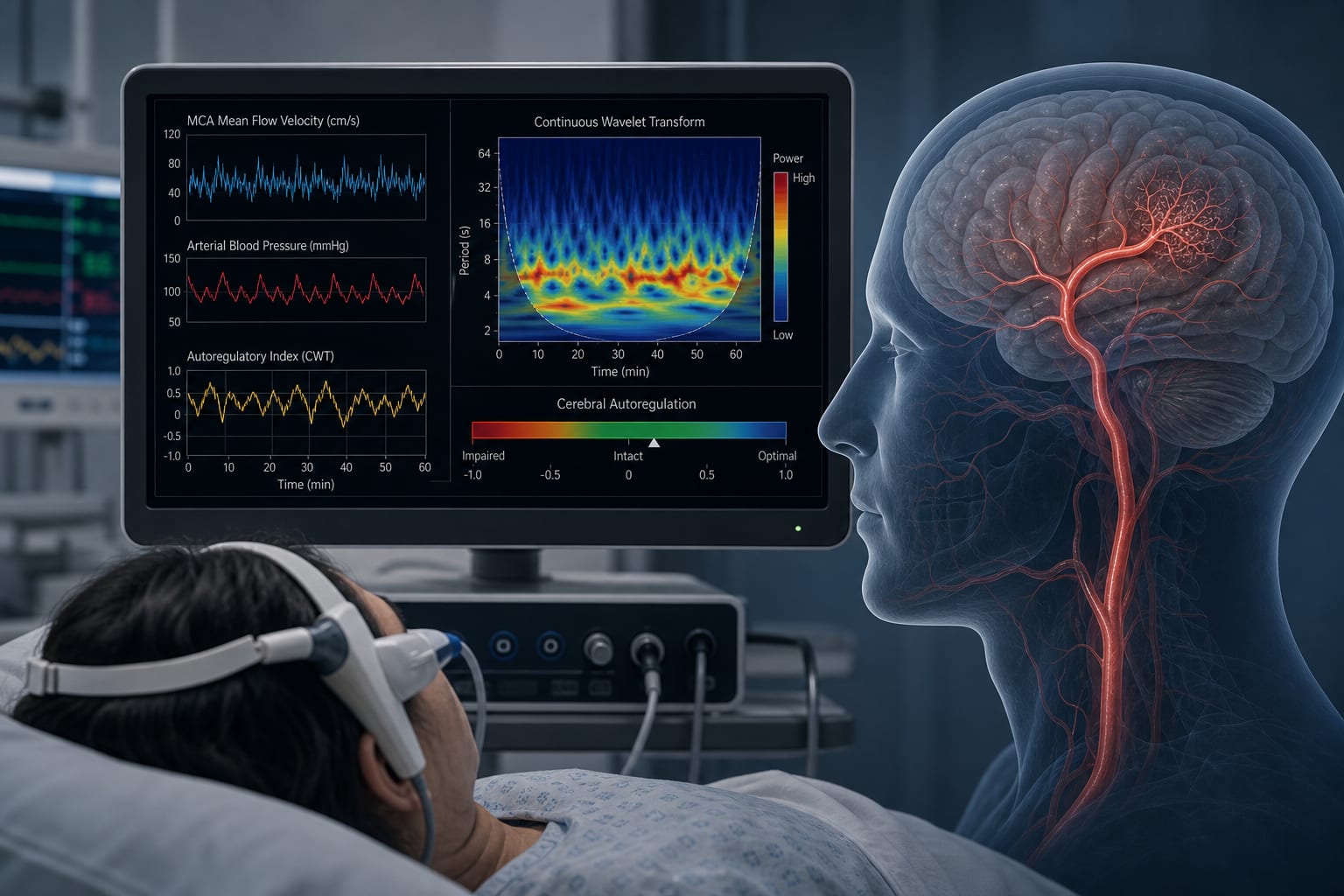
To synthesize recent progress in patient-derived neural models relevant to pediatric movement disorders (PMDs) and discuss emerging technologies and challenges in advancing precision medicine, emphasizing the significance of tailored treatment approaches.
Approach:
Key Findings:
PMDs are genetically and phenotypically heterogeneous, complicating treatment development and necessitating personalized approaches.
Traditional animal and cellular models have poor translational relevance for PMDs, limiting their utility in developing effective therapies.
Patient-derived models can capture human-specific gene regulation and neurodevelopmental timing, providing insights into disease mechanisms.
Interpretation:
Emerging patient-derived in vitro models offer new opportunities to understand disease mechanisms and develop targeted therapies for PMDs, potentially leading to significant advancements in precision medicine.
Limitations:
Rarity and genetic heterogeneity of PMDs limit patient recruitment for studies, but ongoing efforts aim to enhance recruitment strategies.
Clinical heterogeneity complicates diagnosis and treatment, highlighting the need for improved diagnostic tools.
Delays in diagnosis hinder timely therapeutic interventions, underscoring the importance of early detection initiatives.
Conclusion:
Advancements in patient-derived models may shape future treatment approaches for PMDs and other rare monogenic neurological disorders, emphasizing the critical role of these models in precision medicine.