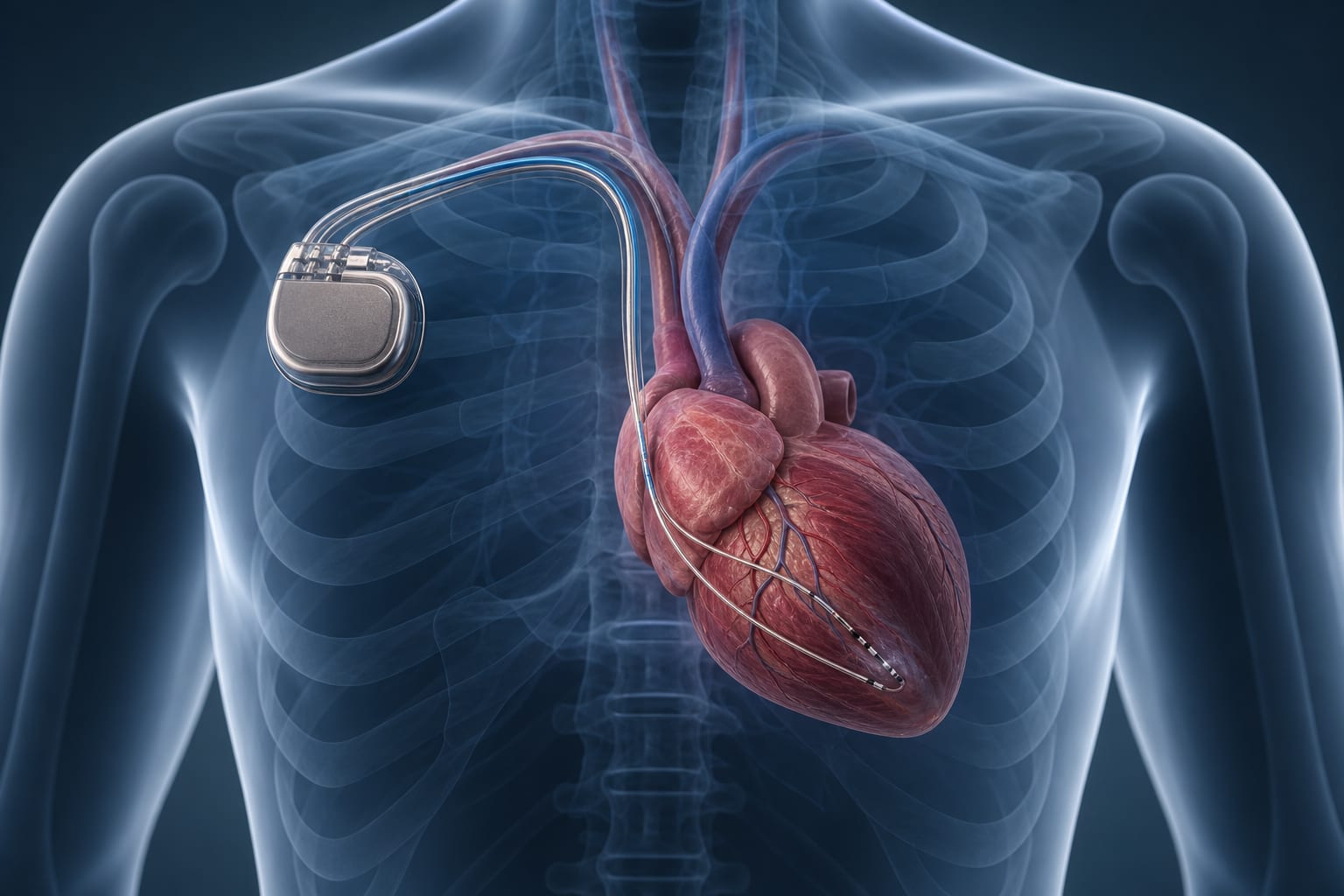
To determine whether the addition of 10 mg of Dapagliflozin can lead to a decrease in epicardial adipose tissue (EAT) volume in patients with heart failure with preserved ejection fraction (HFpEF), potentially improving clinical outcomes.
Approach:
Key Findings:
Epicardial adipose tissue is linked to worse outcomes in HFpEF, indicating a need for targeted interventions.
SGLT2 inhibitors like Dapagliflozin may reduce EAT volume despite minimal weight loss, suggesting a direct effect on adipose tissue.
The study aims to clarify the effects of Dapagliflozin on EAT in HFpEF patients, potentially influencing treatment strategies.
Interpretation:
The study seeks to explore the potential of Dapagliflozin in reducing EAT volume, which may improve outcomes in HFpEF patients by addressing a key pathophysiological factor.
Limitations:
Non-randomized design may introduce bias, affecting the reliability of the results.
Small sample size may limit generalizability to the broader HFpEF population.
Short follow-up period may not capture long-term effects of Dapagliflozin on EAT and clinical outcomes.
Conclusion:
The study aims to provide insights into the management of HFpEF through the modulation of epicardial adipose tissue via Dapagliflozin, potentially leading to improved patient outcomes.