To assess the stroke risk following acute ischemic ocular events (IOEs) and their implications for systemic health, emphasizing the critical nature of these implications.
Key Findings:
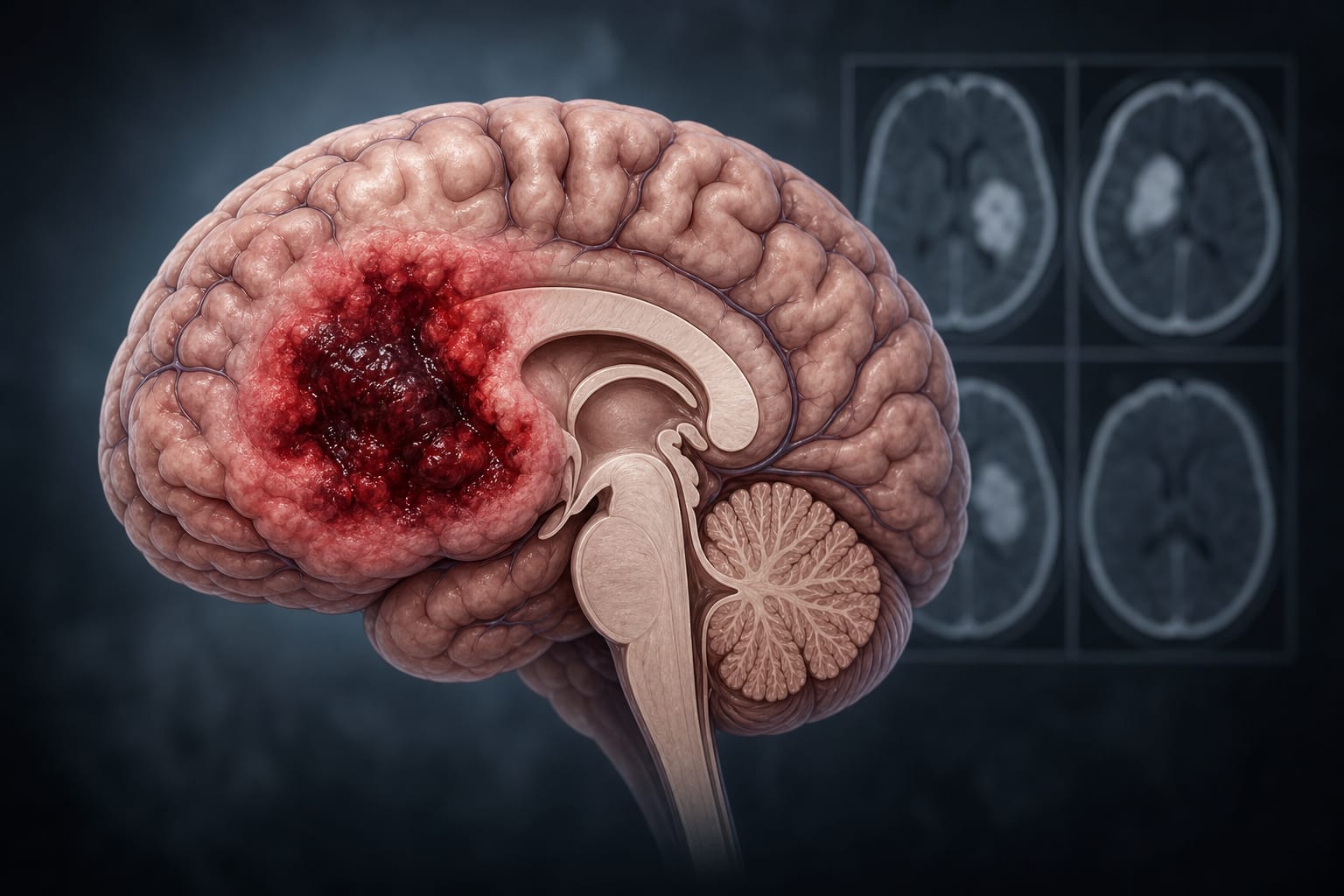
22.8% of patients experienced either an ischemic stroke (IS) (13.5%) or transient ischemic attack (TIA) (10.9%) within one year of an IOE.
9.4% of patients had a cerebrovascular event on the same day as their ocular presentation.
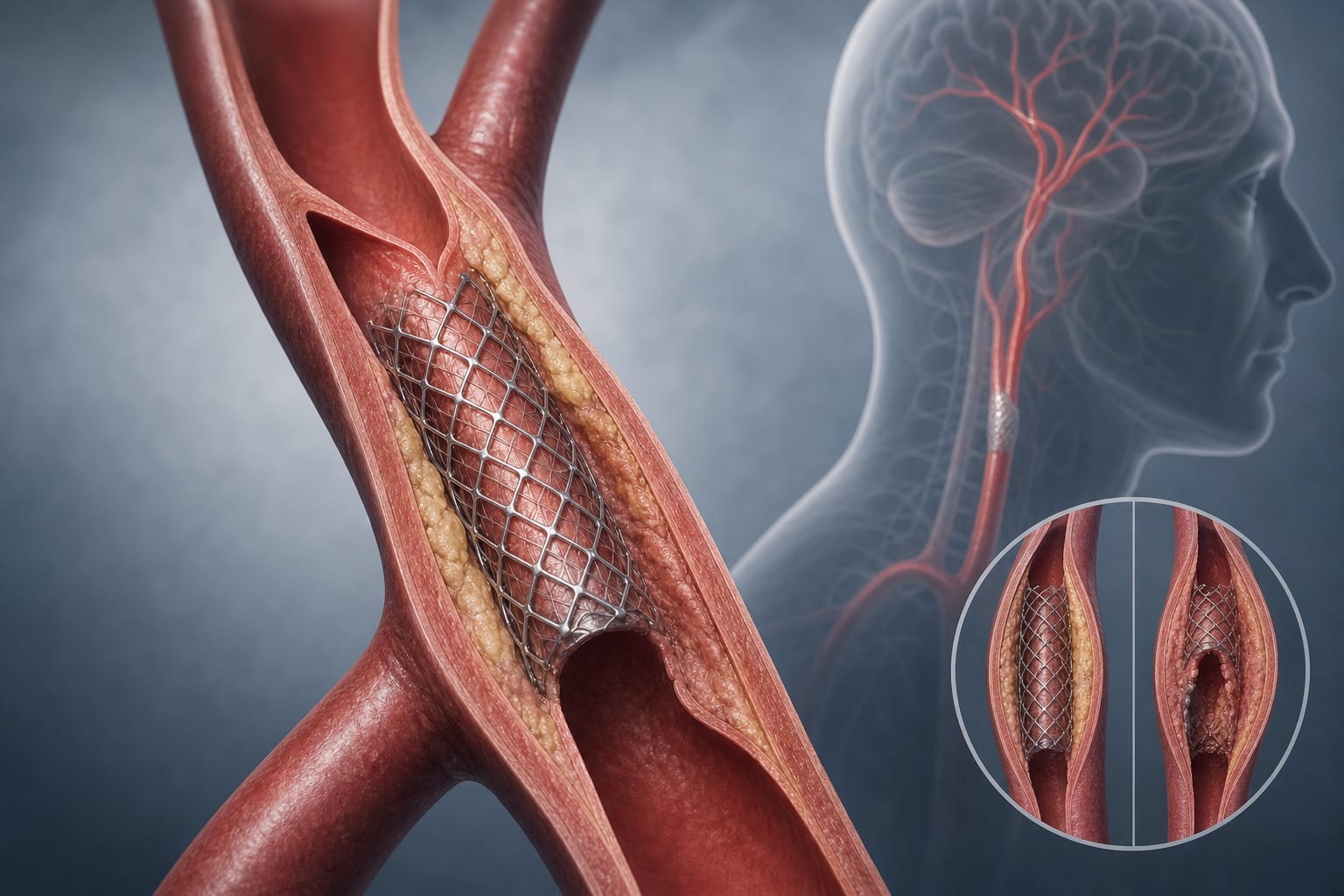
Carotid artery stenosis significantly increased the likelihood of stroke or TIA by 60–75%.
Hypertension was present in over three-quarters of affected patients and is a key modifiable risk factor.
Interpretation:
IOEs should be viewed as critical warning signs of imminent cerebrovascular events, necessitating urgent evaluation and follow-up to prevent adverse outcomes.
Limitations:
Potential coding inaccuracies in electronic health records may affect the reliability of the data.
Incomplete capture of external care and behavioral risk factors such as alcohol and tobacco use could limit the understanding of risk profiles.
Conclusion:
IOEs are systemic warning signs requiring acute management and ongoing vigilance, highlighting the need for integrated care between ophthalmology and stroke services to improve patient outcomes.
Plasma proteomic models of more than 40 cell types were associated with incident Alzheimer's disease, amyotrophic lateral sclerosis, cancer, and mortality across three large cohorts.