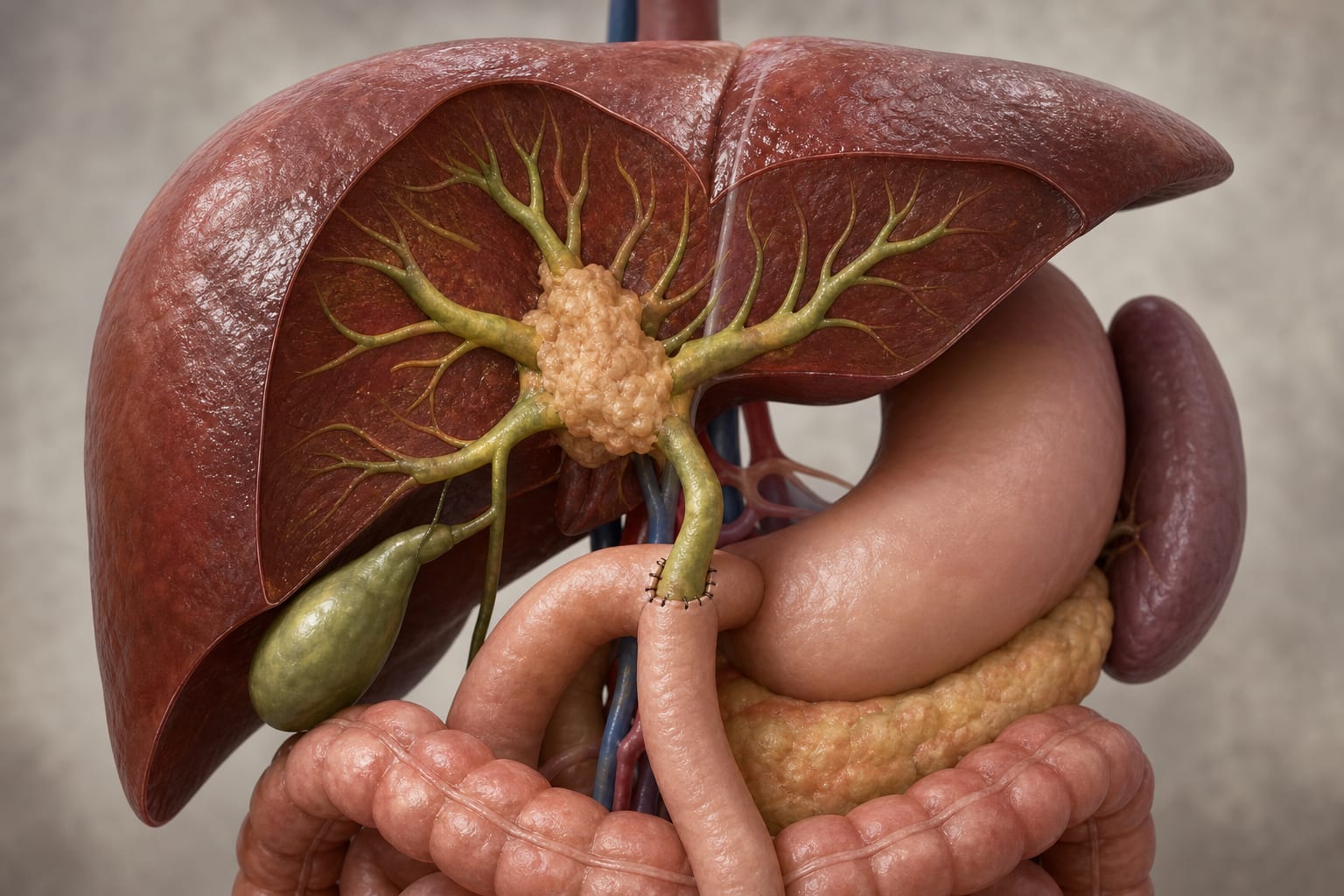
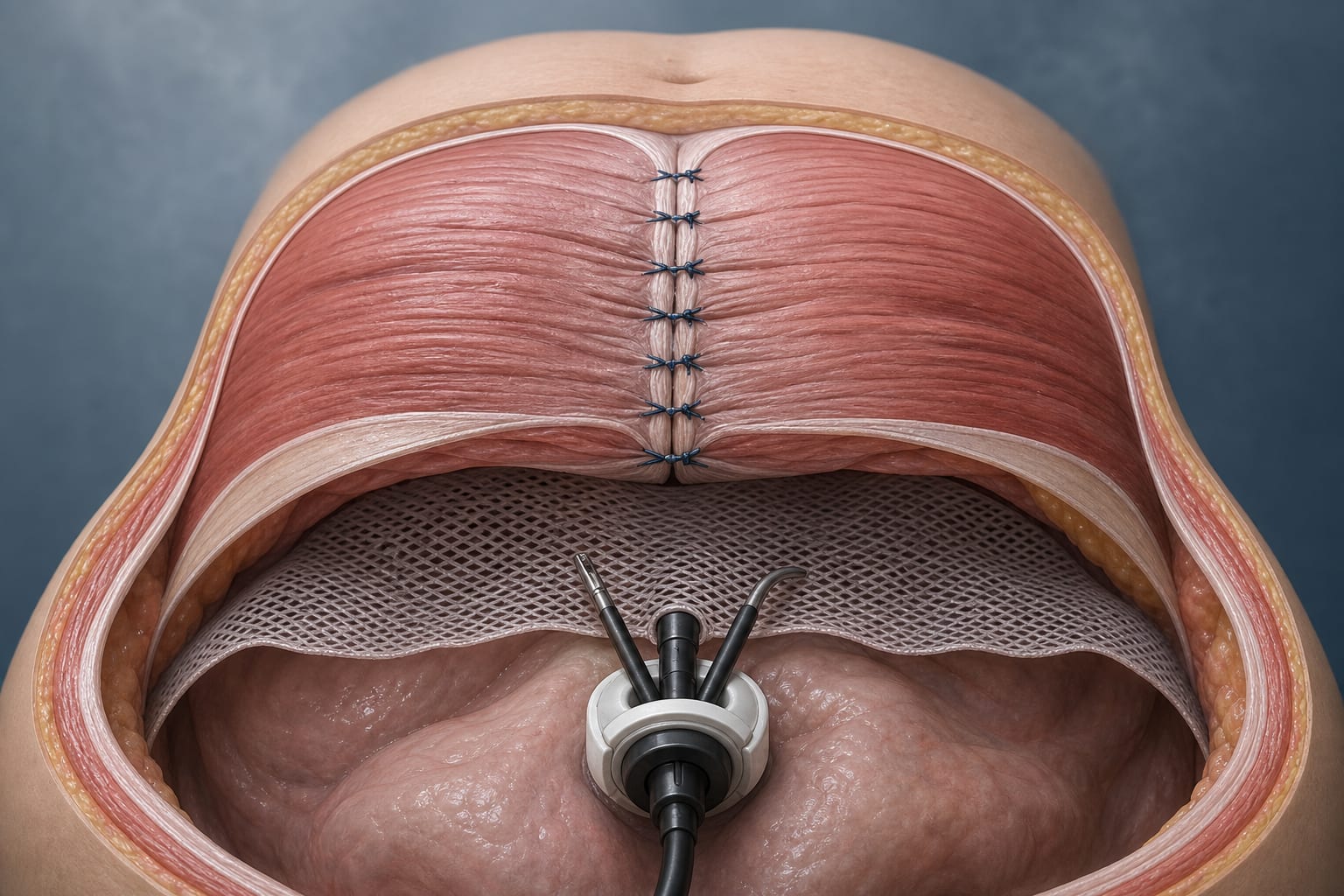
To evaluate postoperative quality of life after minimally invasive hiatoplasty for type III and IV hiatal hernias, examining associations with hernia type, surgical approach (robotic vs. laparoscopic), mesh use, and fundoplication.
Approach:
Study Design: Single-center retrospective cohort study including patients who underwent surgical hiatoplasty for type III and IV hiatal hernias between 2014 and 2024.
Patient Selection: Included patients with elective hiatoplasty for type III or IV hernias; excluded type I and II hernias, emergency surgeries, and those lost to follow-up.
Data Collection: Collected demographic, clinical, operative, and postoperative outcome data, including quality of life questionnaires.
Surgical Technique: Procedures performed by the same surgical team using laparoscopic or robotic techniques, with a preference for minimally invasive approaches.
Key Findings:
Postoperative improvements in quality of life were reported following minimally invasive surgery for giant hiatal hernias.
Robotic-assisted surgery was found to be safe and feasible for hiatal hernia repair.
Improvements in quality of life were sustained regardless of anatomic recurrence.
Interpretation:
The study highlights the effectiveness of minimally invasive surgical approaches in improving quality of life for patients with giant hiatal hernias.
Limitations:
Single-center study may limit generalizability of findings.
Retrospective design may introduce selection bias.
Conclusion:
The study indicates that minimally invasive surgery, including robotic techniques, is associated with improved quality of life outcomes for patients with type III and IV hiatal hernias.