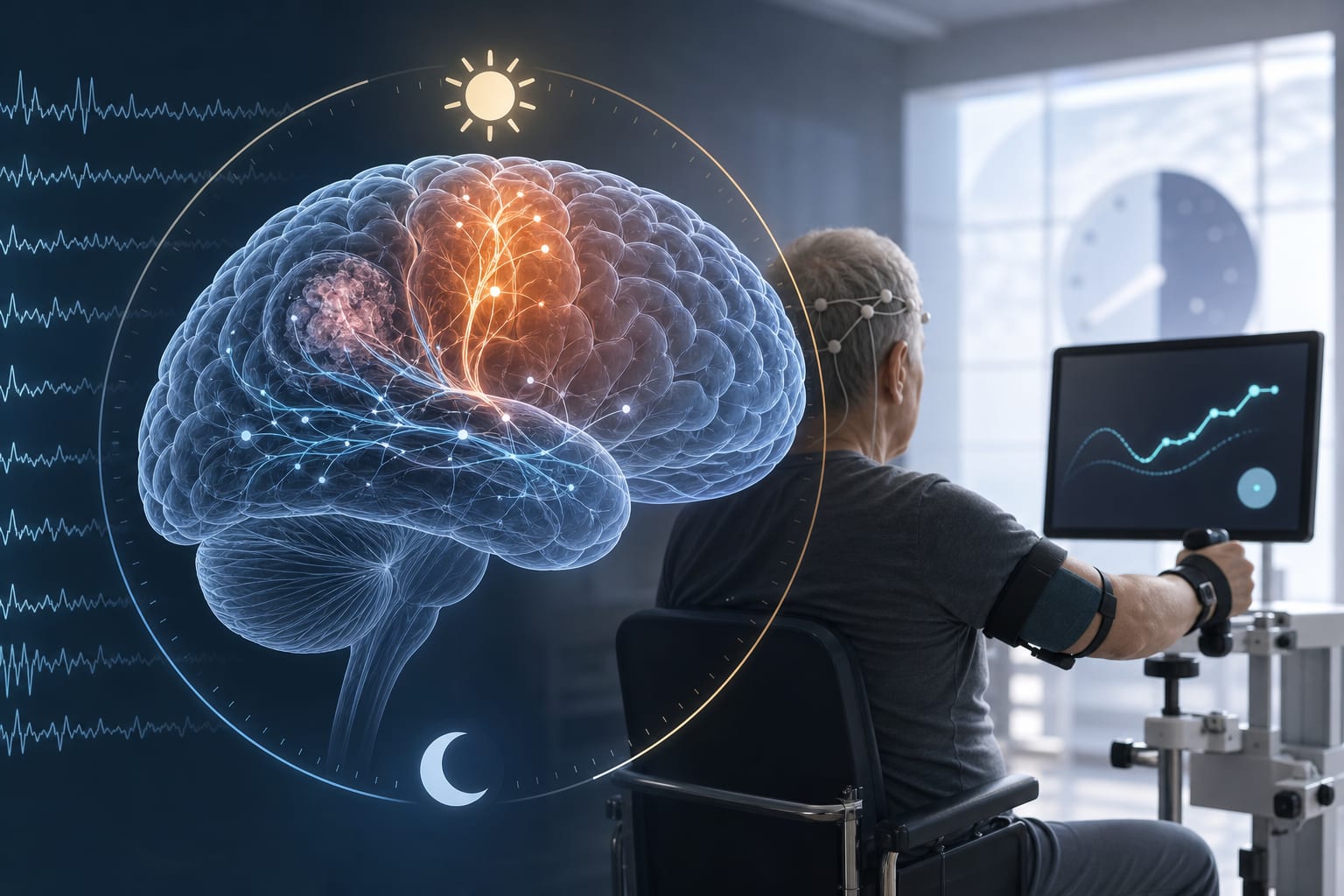
To synthesize recent advances in understanding how circadian rhythms affect motor function recovery in stroke patients.
Approach:
Key Findings:
Circadian rhythms regulate physiological processes that may influence neural plasticity and motor control.
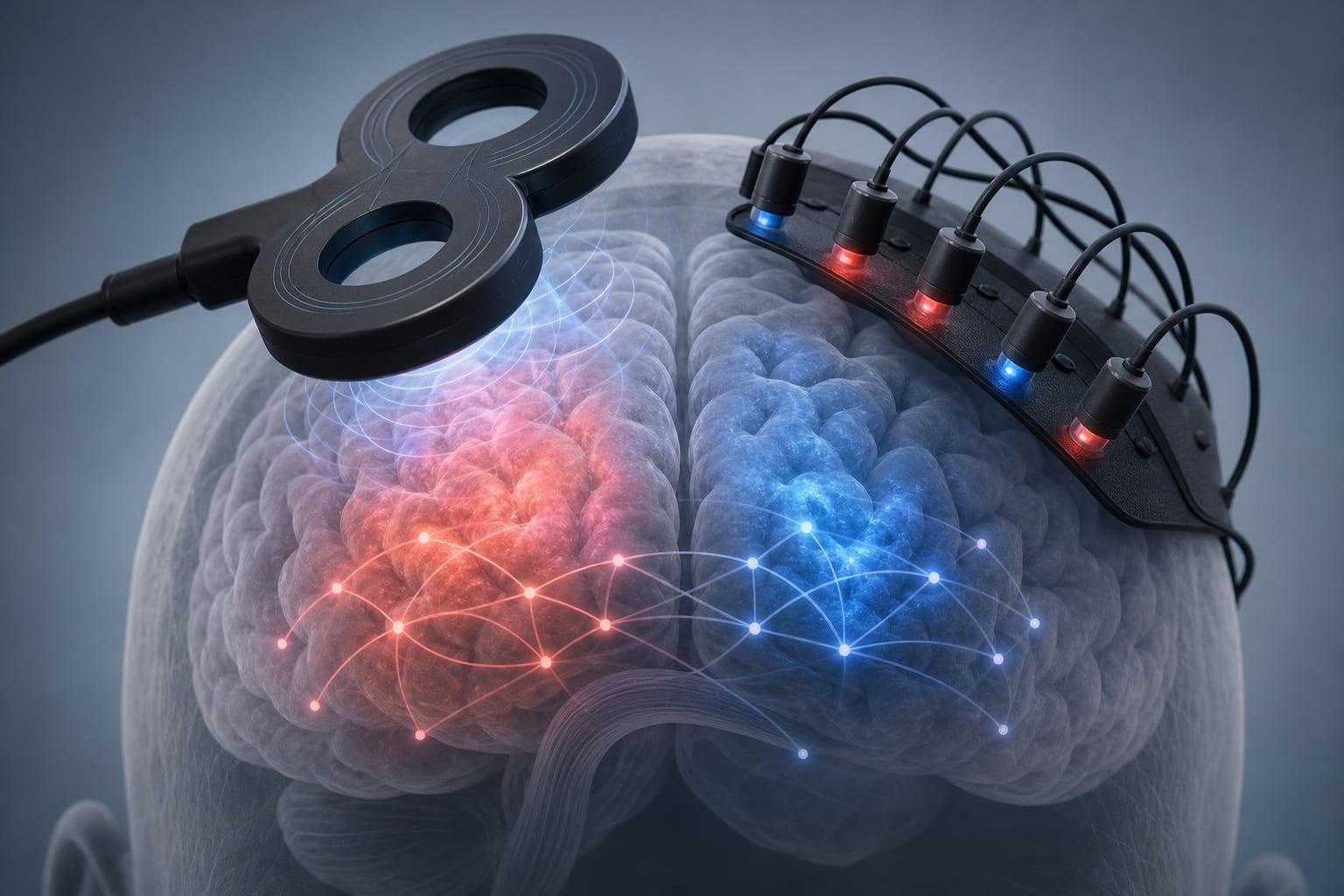
Current research highlights the modulation of neural feedback loops and brainwave activity by circadian rhythms.
Challenges remain in translating findings on circadian rhythms into clinical practice for stroke rehabilitation.
Interpretation:
The review emphasizes the potential role of circadian rhythms in enhancing motor recovery post-stroke, though further research is needed to clarify their clinical applications.
Limitations:
The complex relationship between circadian rhythms and motor recovery is not fully elucidated.
Translating research findings into clinical practice poses significant challenges.
Conclusion:
This review synthesizes recent advances in understanding how circadian rhythms affect motor function recovery in stroke patients.
Plasma proteomic models of more than 40 cell types were associated with incident Alzheimer's disease, amyotrophic lateral sclerosis, cancer, and mortality across three large cohorts.