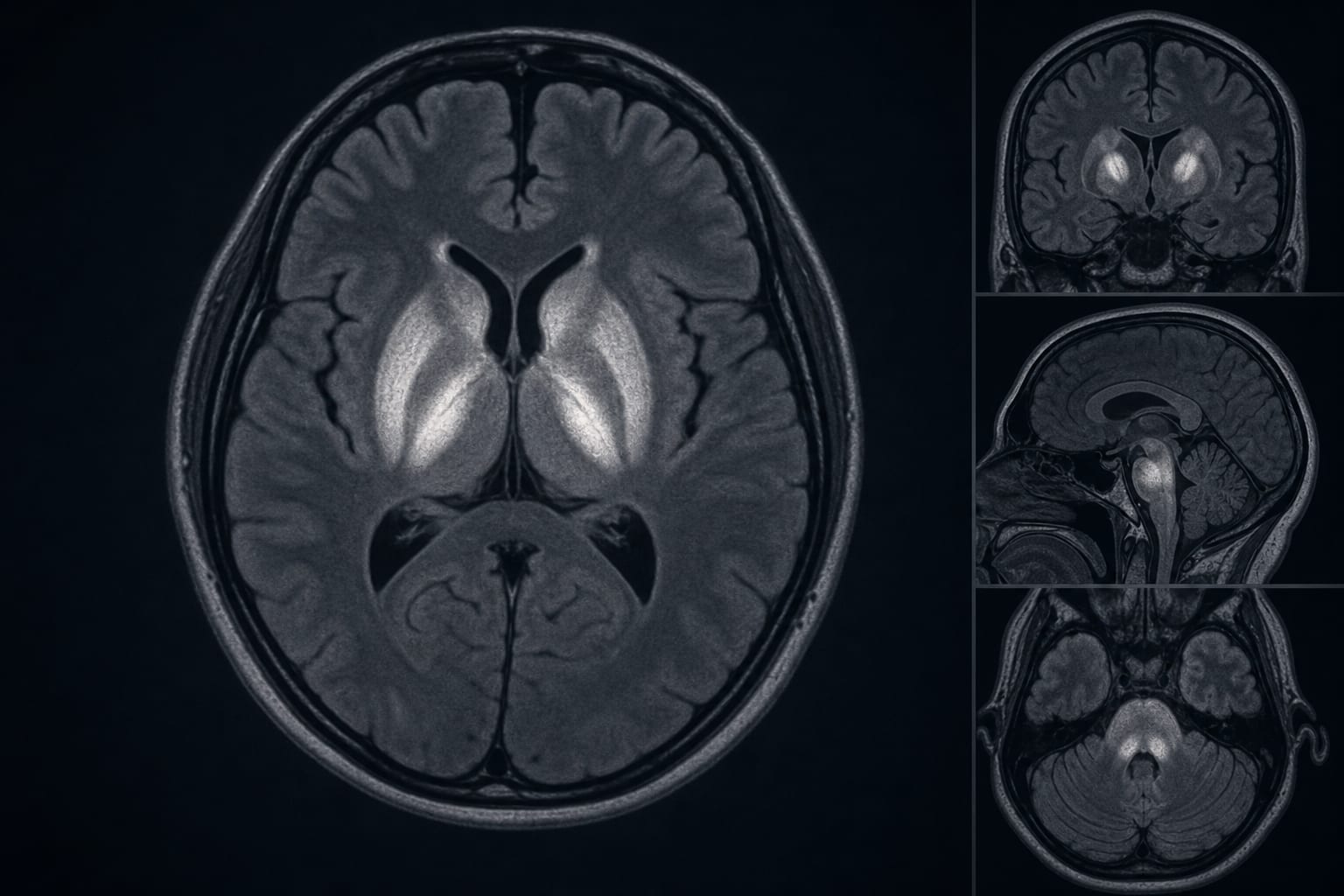
To assess longitudinal sNfL and sGFAP dynamics at the individual level in a patient with severe AQP4-IgG positive NMOSD who required allogeneic stem cell transplantation after failing standard therapeutic approaches.
Approach:
Study Design: Retrospective analysis of sNfL and sGFAP levels in 34 serum samples from a single patient over eight years.
Measurement Techniques: Levels of sNfL and sGFAP were measured using the Single Molecule Array (Simoa).
Statistical Analysis: Statistical analyses were performed using R software, with correlation analyses conducted to assess relationships between biomarkers and clinical measures.
Key Findings:
Median sNfL was 25.21 pg/mL (IQR 32.74), indicating variability in levels.
Median sGFAP level was 358.03 pg/mL (IQR 1954.06), showing a wide range.
A positive correlation between sNfL levels and EDSS was observed (r = 0.41, p = 0.0149), suggesting a relationship.
Elevated sGFAP levels were associated with clinical relapses, indicating potential relevance.
Interpretation:
sNfL may reflect cumulative disability progression, while sGFAP appears to capture disease activity more reliably. Findings are descriptive and hypothesis-generating.
Limitations:
Observations are based on a single patient, limiting generalizability.
Reported p-values are exploratory due to non-independent measurements, which should be interpreted with caution.
Conclusion:
The study provides unique longitudinal data on sNfL and sGFAP in a severe NMOSD case, suggesting potential roles as biomarkers, though further research is needed.
by Barbora Srpova, Eva Krasulova, Libuse Noskova, Michaela Cichrova, Marta Kalousova, Veronika Valkova, Marek Trneny, Vlastimil Kral, Eva Kubala Havrdova, Petra Nytrova