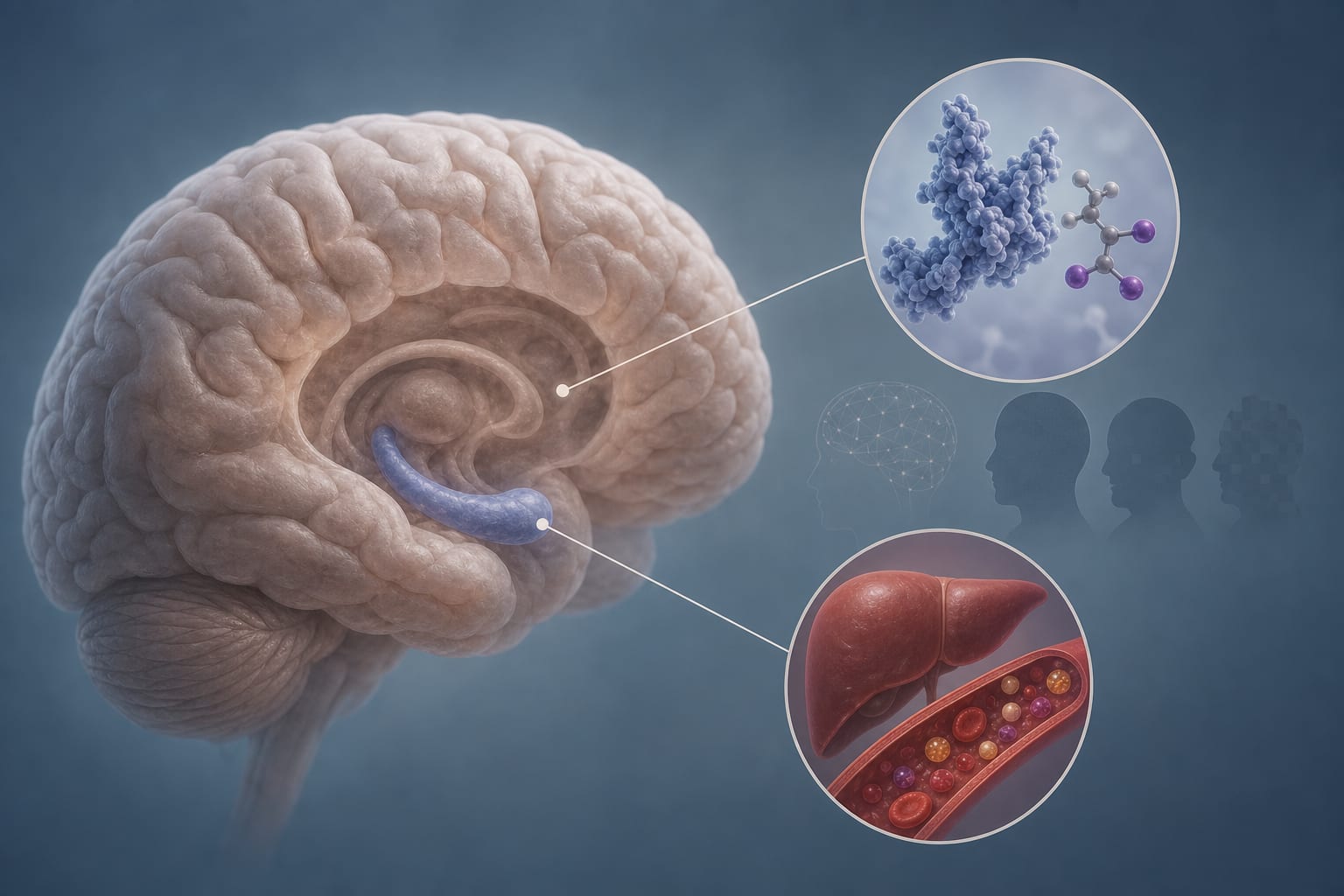
To investigate the individual and combined associations of FT3 and the TyG index with mild cognitive impairment (MCI) in euthyroid patients with type 2 diabetes mellitus (T2DM) and evaluate their potential value for cognitive risk stratification.
Approach:
Key Findings:
Lower FT3 levels were independently associated with higher odds of MCI, showing a significant linear negative dose–response relationship.
The TyG index exhibited a nonlinear, asymmetric inverted J-shaped association with MCI odds, with an inflection point at TyG = 9.24.
ROC analysis indicated good discriminative performance for FT3 alone (AUC = 0.761, 95% CI: 0.721–0.802), while the TyG index alone showed limited value (AUC = 0.571, 95% CI: 0.520–0.622).
The combined FT3–TyG model yielded an AUC of 0.766 (95% CI: 0.726–0.807), not significantly higher than FT3 alone but provided additional granularity for higher TyG levels.
Interpretation:
Physiological variation in FT3 is independently associated with cognitive status in euthyroid T2DM patients, while the TyG index has a non-linear association with cognitive impairment.
Limitations:
Retrospective design may limit causal inferences.
Study conducted in a single center, which may affect generalizability.
Cognitive assessments were based on a single MoCA score without longitudinal follow-up.
Conclusion:
FT3 and the TyG index may serve as accessible, noninvasive metabolic indicators for identifying individuals at higher risk of MCI in T2DM.
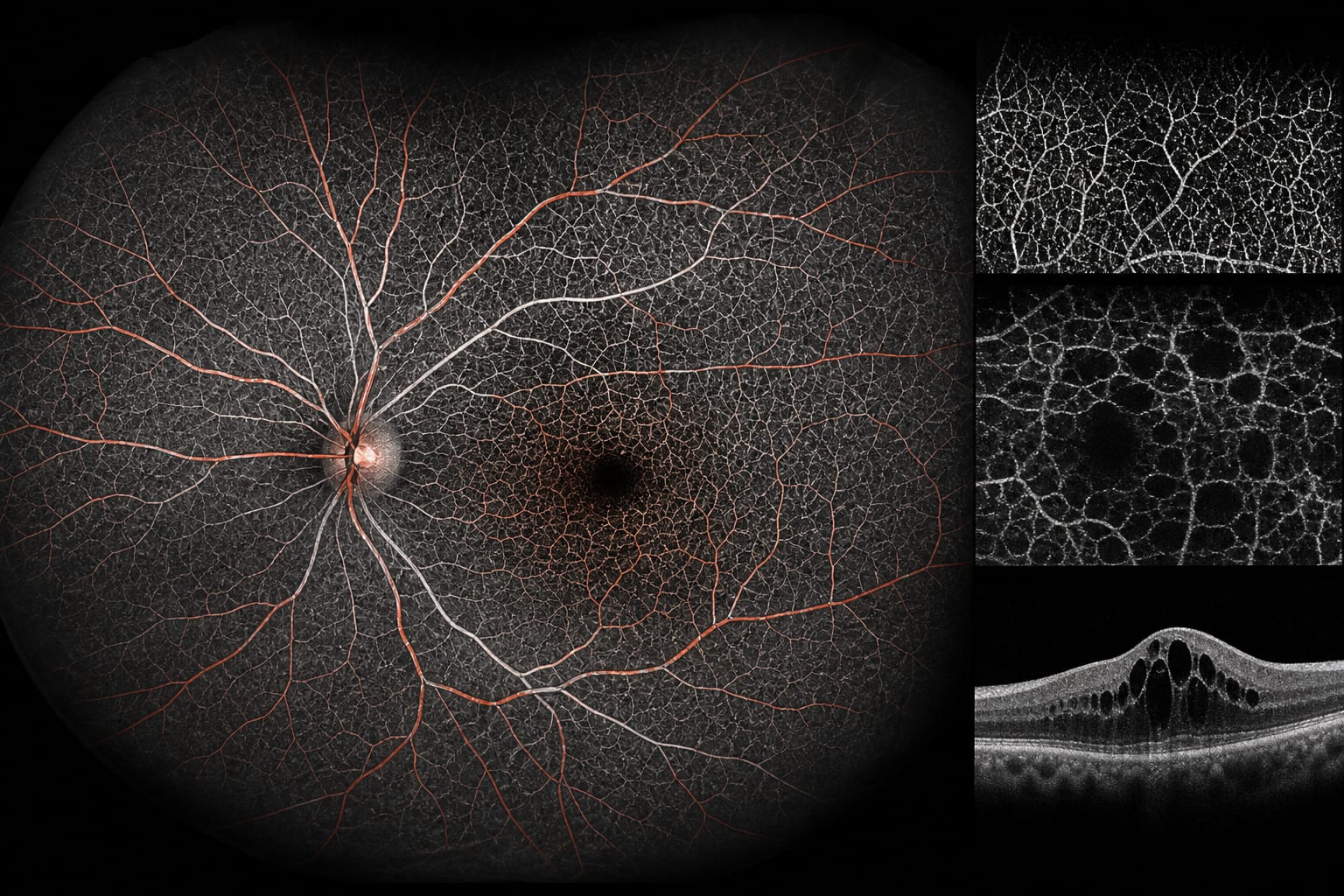
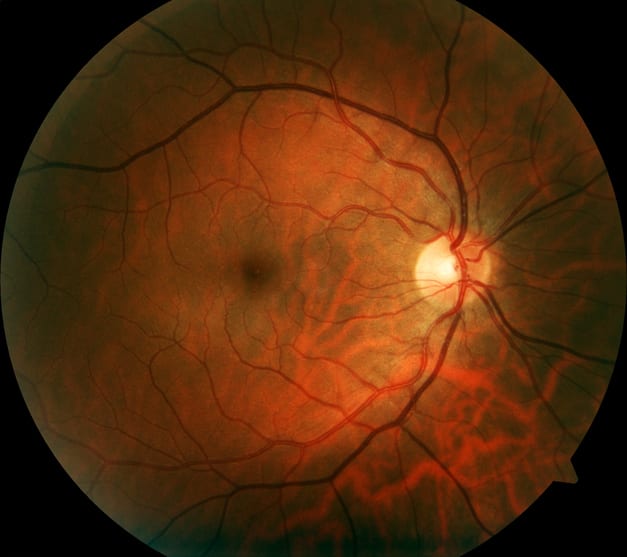
An artificial intelligence–based optical coherence tomography pathway met noninferiority criteria for false-positive diabetic macular edema referrals and was associated with fewer referral decisions in a randomized clinical trial.