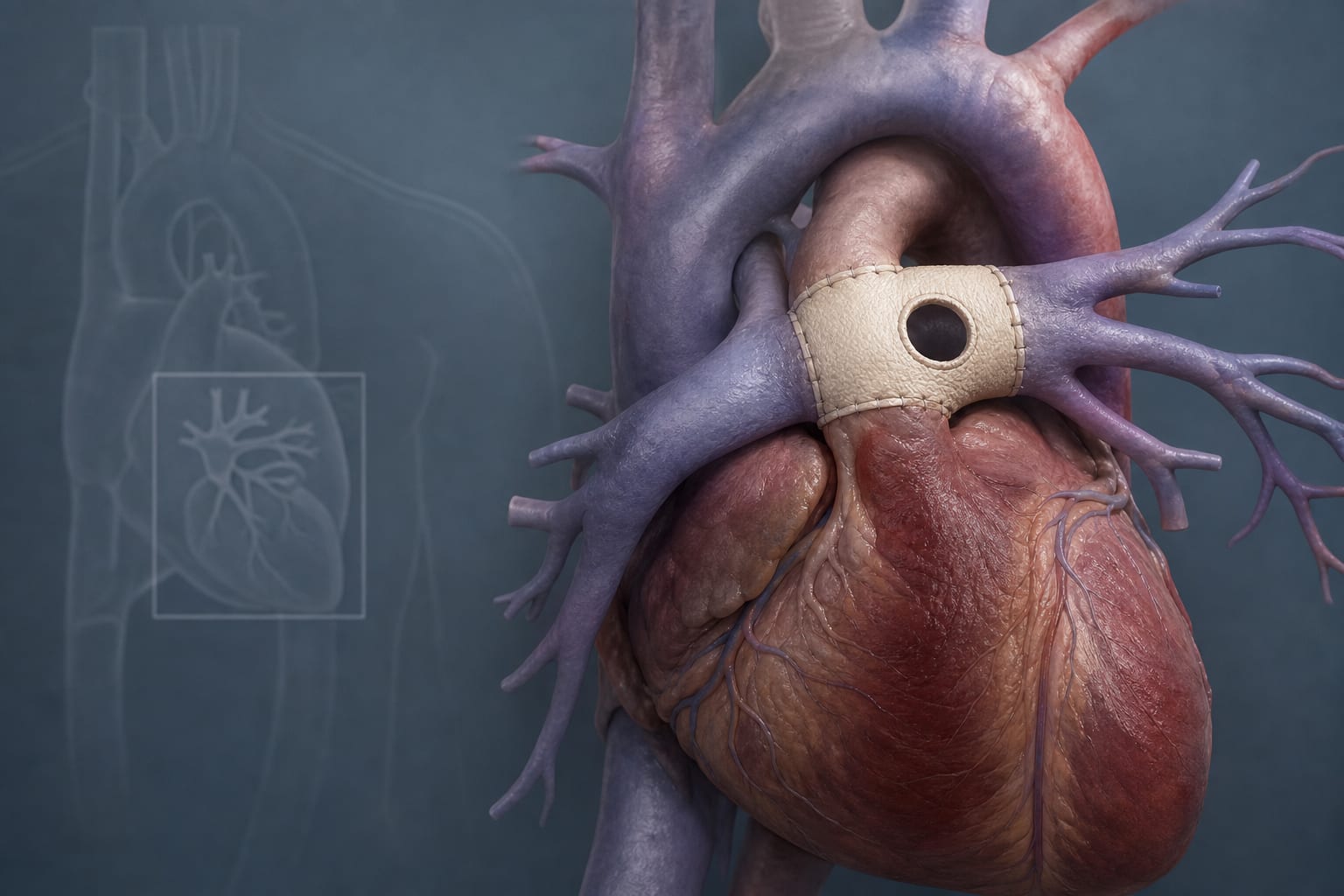
To evaluate bilateral radial arterial pressure monitoring as a real-time indicator of native cardiac recovery during weaning from peripheral VA-ECMO.
Approach:
Clinical Observations: Identified a hemodynamic signal during cardiac recovery indicated by concordance in bilateral radial arterial pressure waveforms and ABG values.
Patient Cohort: Studied 28 adult patients on peripheral VA-ECMO, monitoring bilateral radial arterial lines and assessing LVOT VTI.
Key Findings:
Bilateral radial pressure–gas concordance was observed in 79% of patients during cardiac recovery.
Among patients with concordance, 77% met the LVOT VTI threshold for weaning assessment.
Bilateral radial pressure–gas concordance showed a sensitivity of 94.4% and specificity of 50.0% for predicting adequate LVOT VTI.
Interpretation:
Limitations:
Bilateral radial arterial pressure monitoring is not routinely available in most centers.
Study had a modest sample size and inter-center variability in ECMO management.
Bilateral radial pressure–gas concordance is an integrated signal and should be interpreted alongside other clinical parameters.