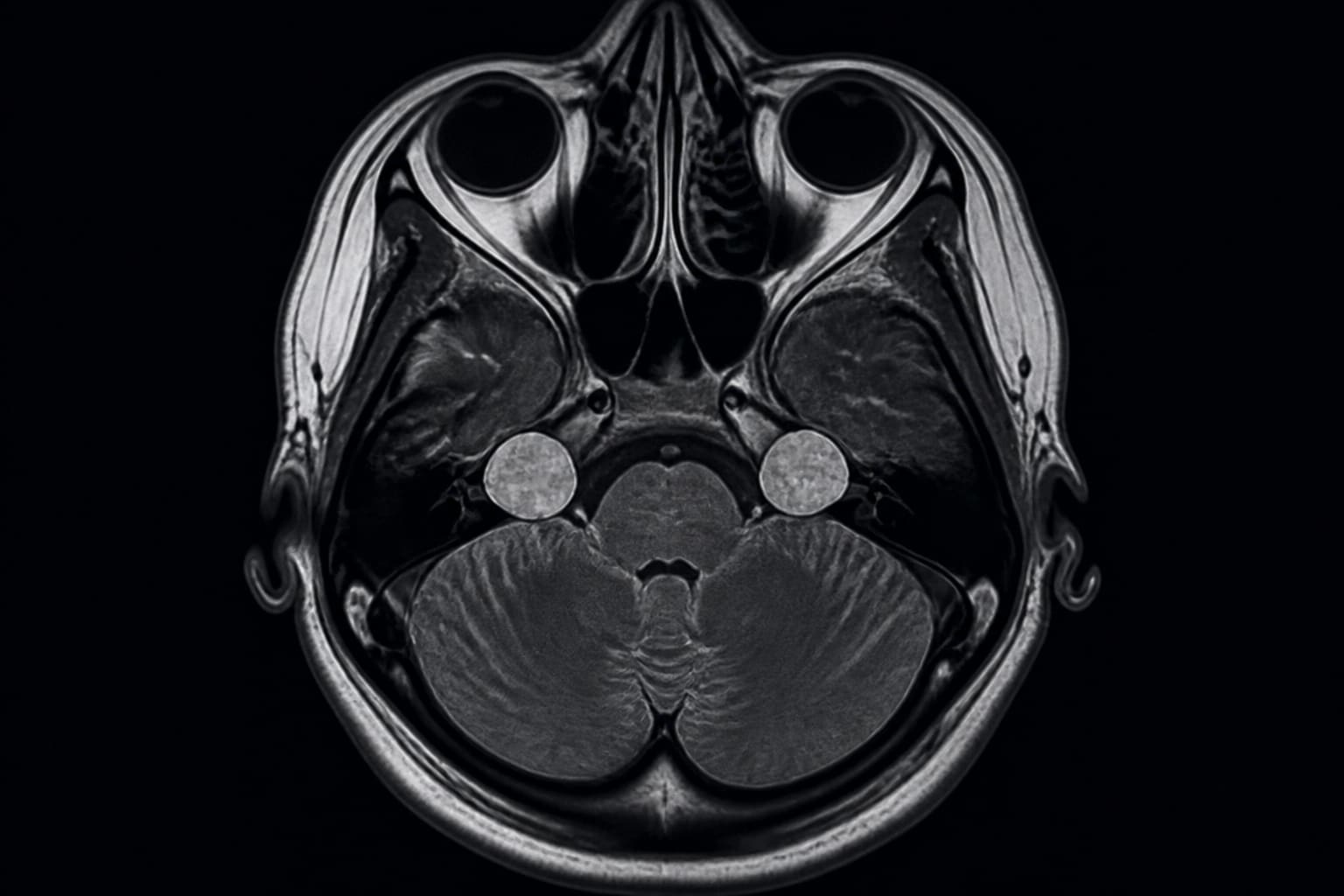
The article examines the objective, findings, and clinical context described in Sinus Surgery: When Is Earlier Intervention Beneficial?.
Approach:
MACRO trial: A UK randomized trial assigned 514 adults with CRS to ESS, clarithromycin, or placebo; all groups received intranasal corticosteroids and saline irrigations.
Timing analysis: A retrospective UK analysis compared healthcare use after ESS performed within 12 months of diagnosis with surgery performed after five or more years.
Expert perspective: Kevin Hur, MD, discusses CRS burden, referral timing, surgery, and postoperative care.
Key Findings:
At six months in the MACRO trial, ESS reduced SNOT-22 scores by a mean 20.44 points versus placebo, exceeding the stated minimum clinically important difference of 8.9 points.
The trial found no significant benefit of clarithromycin over placebo.
In the retrospective analysis, patients who waited five or more years had significantly greater postoperative healthcare utilization than those operated on within 12 months.
The article describes ESS as an endoscopic procedure performed through the nostrils, generally with same-day discharge and return to normal activities in about a week.
Interpretation:
The article reports that earlier ESS is associated with greater symptom improvement and lower subsequent healthcare use. Hur advises considering referral when symptoms persist despite adequate intranasal corticosteroid and saline irrigation therapy.
Limitations:
The context provides no detailed methods or patient characteristics for the retrospective timing analysis.
The reported MACRO outcomes are limited to six months in the provided context.
The context does not provide comparative safety data or detailed eligibility criteria for surgery.
Conclusion:
The article presents ESS as an option for appropriately selected patients whose CRS remains symptomatic despite medical therapy and reports that long-term macrolide antibiotics were not superior to placebo in the MACRO trial.