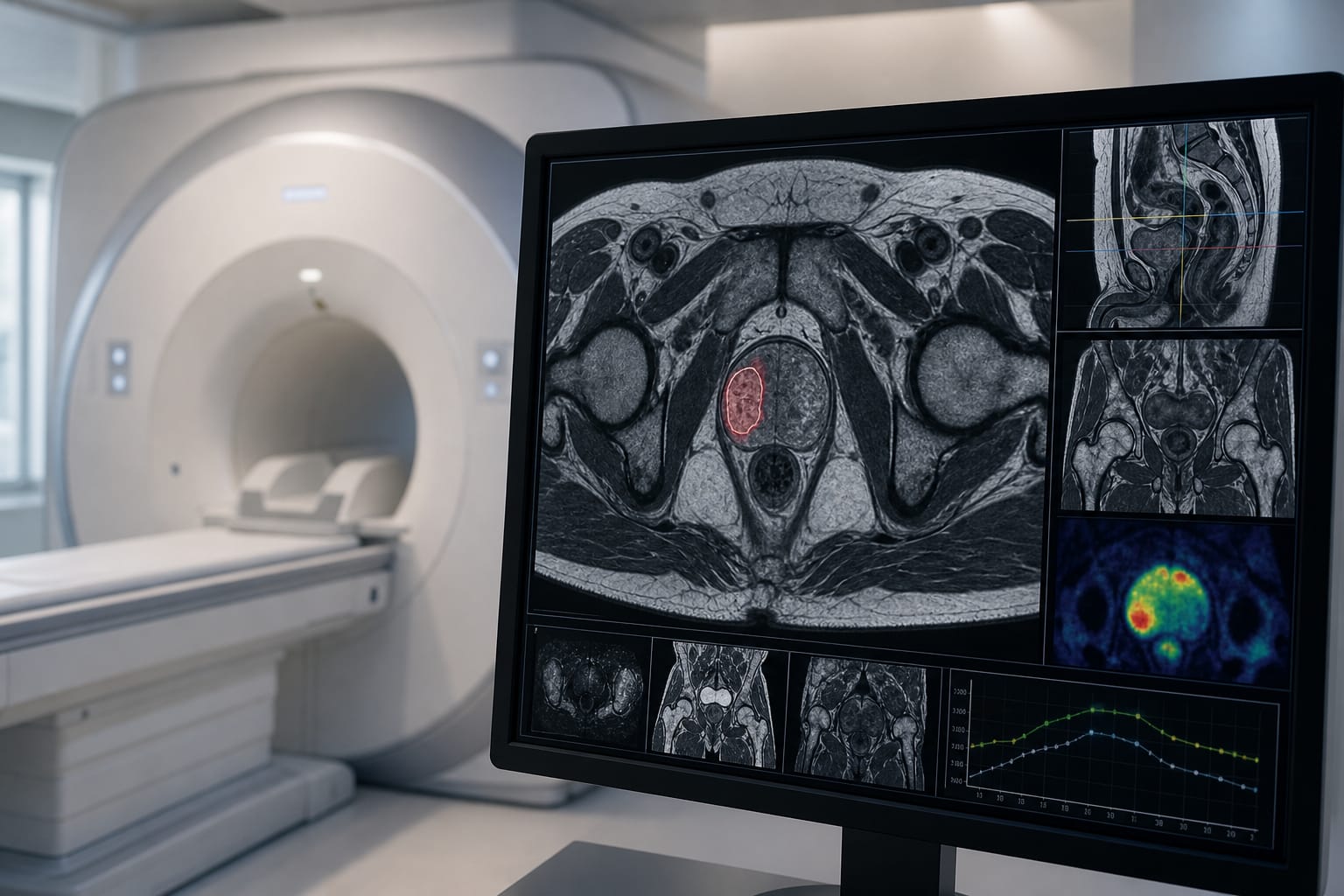
To explore the role of real-world imaging data (RWiD) in enhancing biomedical research and patient management.
Approach:
Data Sources: Real-world data (RWD) includes electronic health records (EHR), health insurance claims, patient-reported outcomes, and data from wearables and social media.
Imaging Technologies: Medical imaging encompasses various modalities such as x-ray, CT, MRI, ultrasound, and nuclear medicine, which are crucial for diagnostics and treatment decisions.
Emerging Trends: Advancements in imaging infrastructure, data standardization, and analytical methods like AI are expected to enhance the utility of RWiD in research.
Key Findings:
RWiD is increasingly recognized as a valuable resource for clinical evidence.
Imaging data plays a critical role in therapeutic areas such as oncology, cardiology, and neurology.
Standardized imaging criteria are essential for evaluating treatment responses in clinical trials.
Interpretation:
The integration of RWiD into biomedical research presents opportunities for improved patient management and insights into treatment effectiveness.
Limitations:
Challenges in data standardization and quality evaluation.
Technical and infrastructural complexities associated with imaging data.
Conclusion:
The growing importance of RWiD in health care is expected to enhance both routine clinical care and research, particularly in therapeutic development.