To provide a focused bibliometric overview of research on tertiary lymphoid structures (TLSs) in autoimmune diseases published from 2006 to 2025.
Approach:
Data Retrieval: Publications on TLSs in autoimmune diseases were retrieved from the Web of Science Core Collection and Scopus databases.
Analysis Tools: Bibliometrix/Biblioshiny, VOSviewer, and CiteSpace were used to analyze publication trends, collaboration patterns, co-citation networks, keyword clustering, and thematic evolution.
Key Findings:
A total of 479 publications were included, showing an overall upward trend in annual output.
The United States occupied a central position in the international collaboration network, with significant contributions from several European countries.
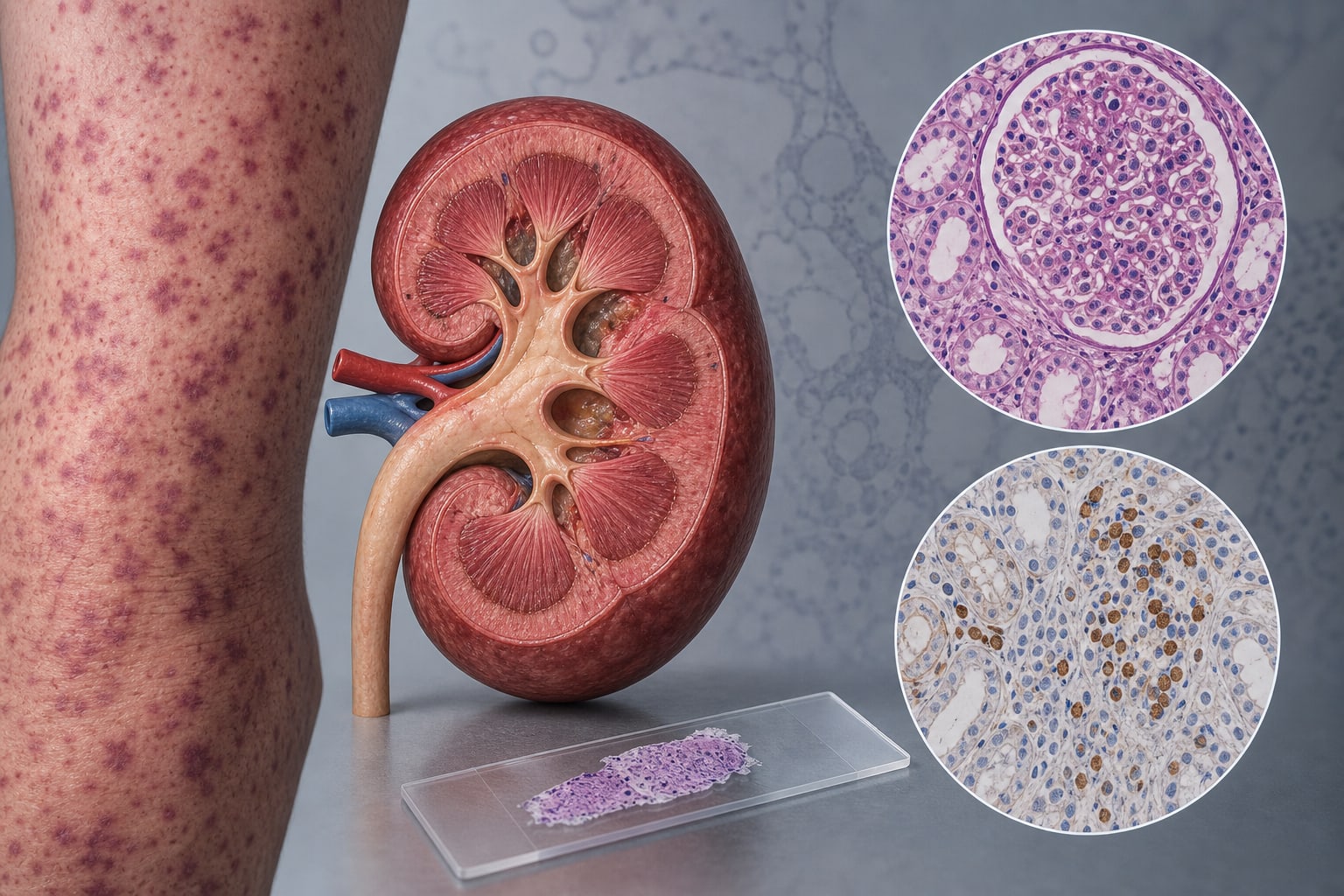
Major disease contexts of TLS research included rheumatoid arthritis, Sjögren’s syndrome, systemic lupus erythematosus/lupus nephritis, and myasthenia gravis.
The field evolved from early attention to lymphoid neogenesis and chemokine-mediated tissue organization toward local B-cell hyperactivity, disease-specific immune microenvironments, and clinical heterogeneity.
Recent research frontiers include T follicular helper/peripheral helper T-cell axes, stromal remodeling, fibroblast-associated immune organization, disease subsets, and single-cell/spatial omics approaches.
Interpretation:
TLS research in autoimmune diseases has progressed from structural recognition to functional interpretation and translational exploration, indicating a shift towards understanding their role in disease stratification.
Limitations:
The study only included English-language publications.
Exclusion of conference abstracts, editorials, and other non-research documents may limit the comprehensiveness of the analysis.
Conclusion:
Further studies integrating mechanistic investigation with clinical stratification are needed to clarify the translational relevance of TLSs in precision medicine.