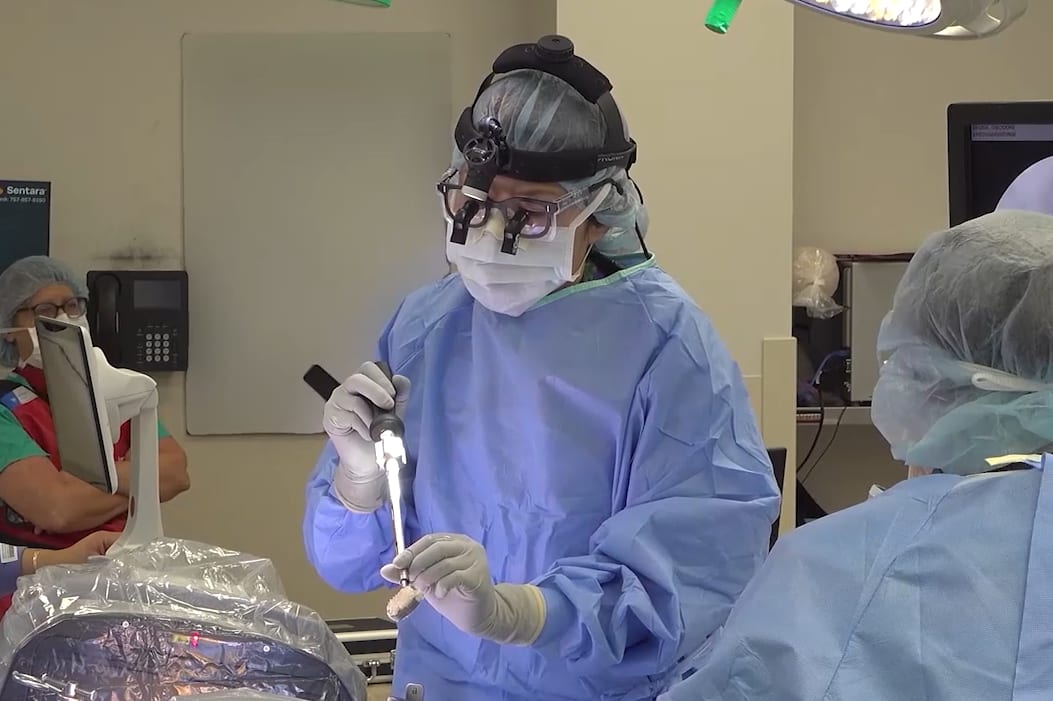
To report the first documented case of robot-assisted MRgLITT mesencephalotomy in a patient with metastatic melanoma and refractory pain, highlighting its significance in the context of existing treatments.
Key Findings:
MRgLITT mesencephalotomy effectively reduced refractory pain in the patient.
Real-time imaging allowed for precise lesioning with minimal invasiveness.
The procedure maintained sensory discrimination postoperatively, suggesting potential for broader applications.
Interpretation:
MRgLITT mesencephalotomy shows promise as a minimally invasive option for managing intractable malignant pain, providing targeted pain relief without systemic effects.
Limitations:
The patient succumbed to cancer progression one month post-procedure.
Long-term outcomes and broader applications of MRgLITT require further study, particularly with larger sample sizes.
Conclusion:
MRgLITT mesencephalotomy is a promising technique for palliative care in patients with refractory pain due to malignancy, underscoring the need for individualized treatment planning.
In this procedural case review, vascular surgeon Dr. Samuel Steerman and neurosurgeon Dr. Shannon Clark collaborate to perform an anterior lumbar interbody fusion (ALIF).