To propose a novel quantum-hybrid pipeline for the classification of lung nodules in CT scans, integrating vision transformer embeddings with a quantum orthogonal pyramidal circuit, highlighting the critical role of accurate lung nodule detection in improving patient outcomes.
Key Findings:
Achieved a 28-fold reduction in computational cost compared to full-ViT models, making it feasible for clinical applications.
Demonstrated effective learning from small datasets with high diagnostic accuracy, crucial for medical imaging where data is often limited.
Reduced the number of trainable parameters by 99.96%, facilitating deployment on resource-constrained medical devices, thus enhancing accessibility.
Interpretation:
The hybrid ViT-QOPC method provides a sustainable approach for practical applications of quantum machine learning in medical imaging, indicating a potential shift towards more efficient diagnostic tools.
Limitations:
The approach requires careful dimensionality reduction to align with current quantum hardware limitations, suggesting a need for ongoing research in this area.
ViTs are computationally expensive and data-hungry, which may limit their application in clinical settings, highlighting the importance of developing more efficient models.
Conclusion:
The study presents a viable method for lung nodule classification that leverages quantum machine learning while addressing the challenges of traditional ViT models, underscoring its potential to improve diagnostic processes in healthcare.
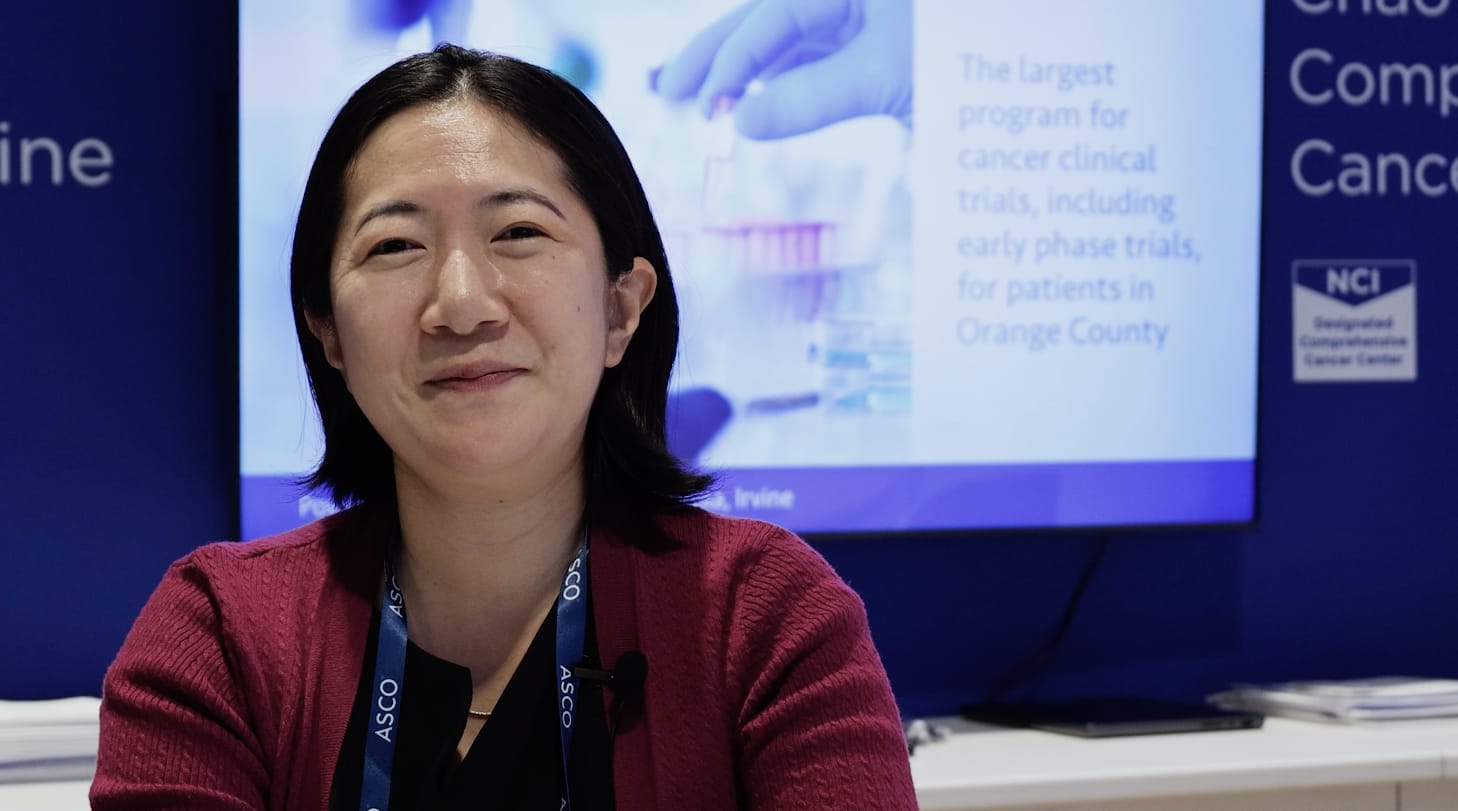
Misako Nagasaka, MD, PhD shared how precision oncology has fundamentally shifted the landscape through the identification of actionable genomic targets for lung cancer treatment.
The American Thoracic Society's 2026 International Conference brought together leading voices in pulmonary, critical care, and sleep medicine — and Temple Health was well represented.