Evidence-based interventions to restore or improve female fertility in women aged 30–42 years: a systematic review by etiology and evidence level - Summary - MDSpire
To synthesize evidence on interventions that restore or improve fertility in women aged 30–42 years, grouped by etiology.
Approach:
Comprehensive literature search across multiple databases.
Inclusion of randomized controlled trials, cohort studies, and case-control studies.
Assessment of study quality and evidence strength using established criteria.
Key Findings:
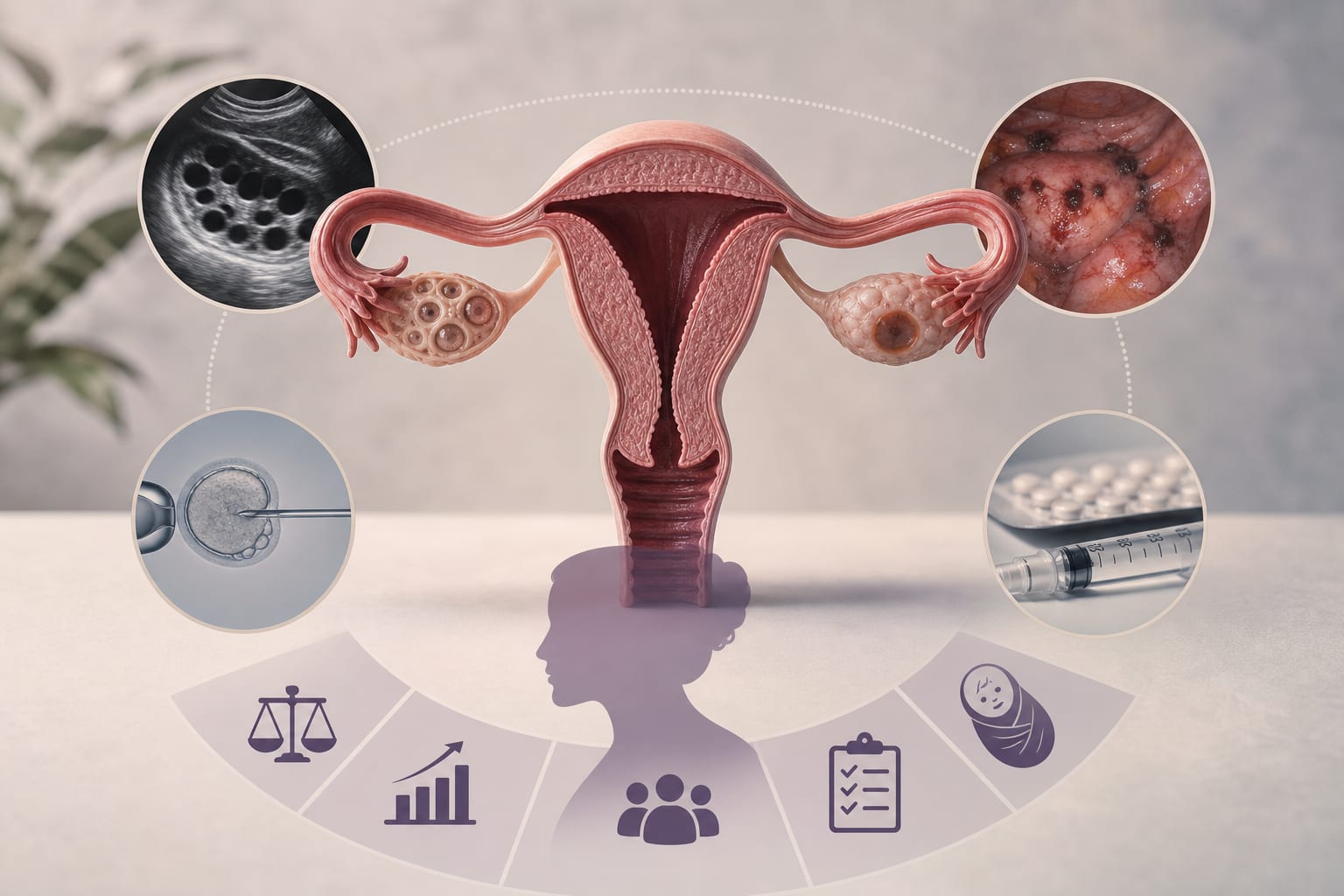
Hormonal treatments, including clomiphene citrate and gonadotropins, were found to enhance ovulation rates and pregnancy outcomes in women with ovulatory disorders.
Assisted reproductive technologies (ART), particularly in vitro fertilization (IVF), significantly increased live birth rates compared to expectant management, especially in women with tubal factors and unexplained infertility.
Lifestyle interventions, such as weight management and smoking cessation, demonstrated positive effects on fertility outcomes, particularly in overweight and obese women.
The impact of age on fertility was evident, with diminishing returns on success rates noted as women approached the upper age limit of the study cohort, emphasizing the importance of timely intervention.
Psychosocial factors, including stress management and emotional support, were associated with improved fertility outcomes, highlighting the need for a holistic approach in treatment plans.
Interpretation:
Established hormonal and ART strategies improve pregnancy outcomes for women aged 30–42 years, but certainty for live birth and safety remains limited. The evidence underscores the need for individualized treatment plans that consider both medical and lifestyle factors.
Limitations:
Limited safety reporting in studies.
Small sample sizes and heterogeneity affect evidence certainty.
Lack of standardized definitions and outcome measures across studies.
Potential publication bias may skew the perceived effectiveness of interventions.
Conclusion:
Clinical care should prioritize standard therapies and shared decision-making, acknowledging evidence gaps. Future trials must focus on live birth and standardized outcomes, with an emphasis on larger, multicenter studies to enhance the robustness of findings.