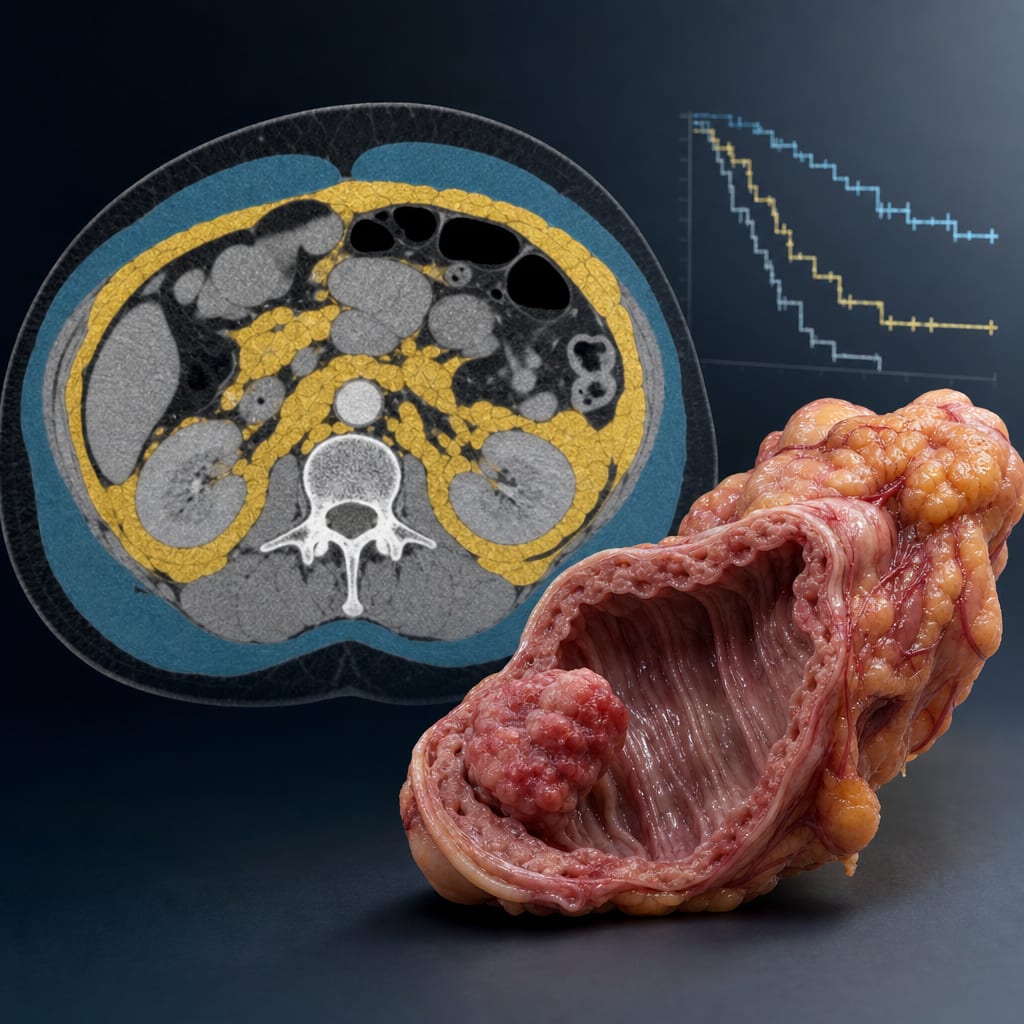
To highlight the occurrence and clinical characteristics of liver dysfunction after bariatric surgery in a case series of 10 patients, emphasizing its clinical significance.
Key Findings:
Liver dysfunction developed after a median interval of 15 months post-surgery, indicating a need for long-term monitoring.
RYGB was the most common procedure, followed by OAGB and gastric banding, suggesting varying risks associated with different surgical methods.
Four out of ten patients required secondary procedures for weight management, highlighting the complexity of post-surgical outcomes.
Histological findings indicated liver alterations consistent with NASH in some patients, raising concerns for future liver health.
Interpretation:
Bariatric surgery can lead to liver dysfunction in some patients, but significant weight loss is typically achieved. The type of surgery and subsequent complications play a critical role in liver health outcomes, necessitating further research.
Limitations:
Small sample size of 10 patients limits generalizability and may affect the robustness of the findings.
Retrospective nature may introduce bias in data collection and analysis, impacting the reliability of conclusions.
Conclusion:
Bariatric surgery is effective for weight loss but may lead to liver dysfunction in a subset of patients, necessitating careful monitoring and potential intervention to mitigate risks.