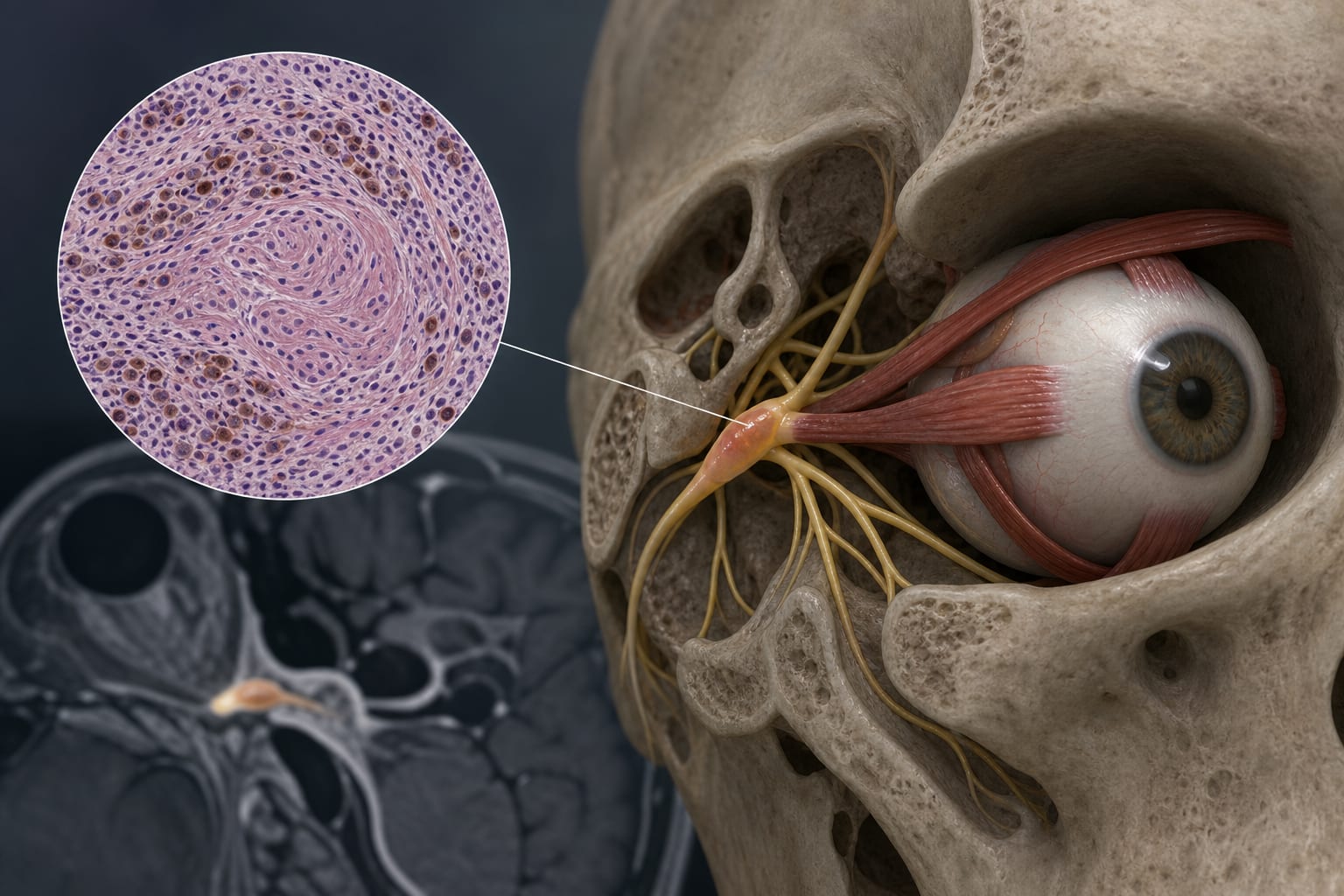
To analyze the trends and incidence of keratoplasty performed for corneal dystrophy at a tertiary eye care facility in Nepal.
Approach:
Data source: A retrospective review of patients with bilateral corneal lesions from 1st January 2017 to 31st December 2025 at Tilganga Institute of Ophthalmology.
Sample selection: Patients with at least two records of the same corneal dystrophy category were included; those with altered diagnoses were excluded.
Grouping of corneal dystrophies: Corneal dystrophies were categorized into four groups: epithelial-subepithelial, stromal, endothelial, and unspecified.
Surgical intervention and outcome measurement: Cases were analyzed for 'keratoplasty required' and 'keratoplasty performed' based on clinical indications for surgery.
Data analysis: Demographic and surgical data were analyzed using descriptive statistics and appropriate statistical tests.
Ethical consideration: The study was approved by the Institutional Review Committee, adhering to the Declaration of Helsinki.
Key Findings:
279 patients were initially identified with corneal dystrophy, with 132 eligible for analysis after screening.
The mean age of participants was 43.7 years, with a nearly equal gender distribution.
Interpretation:
The study highlights the need for better understanding and management of corneal dystrophies in Nepal, particularly regarding surgical interventions.
Limitations:
The study is retrospective and may not capture all cases requiring keratoplasty.
Potential misdiagnosis or inconsistency in diagnosis may affect results.
Conclusion:
Further research is needed to accurately assess the frequency and types of corneal dystrophies requiring surgical intervention.