Conexiant’s news site is now MDSpire News. Learn more
Advertisement
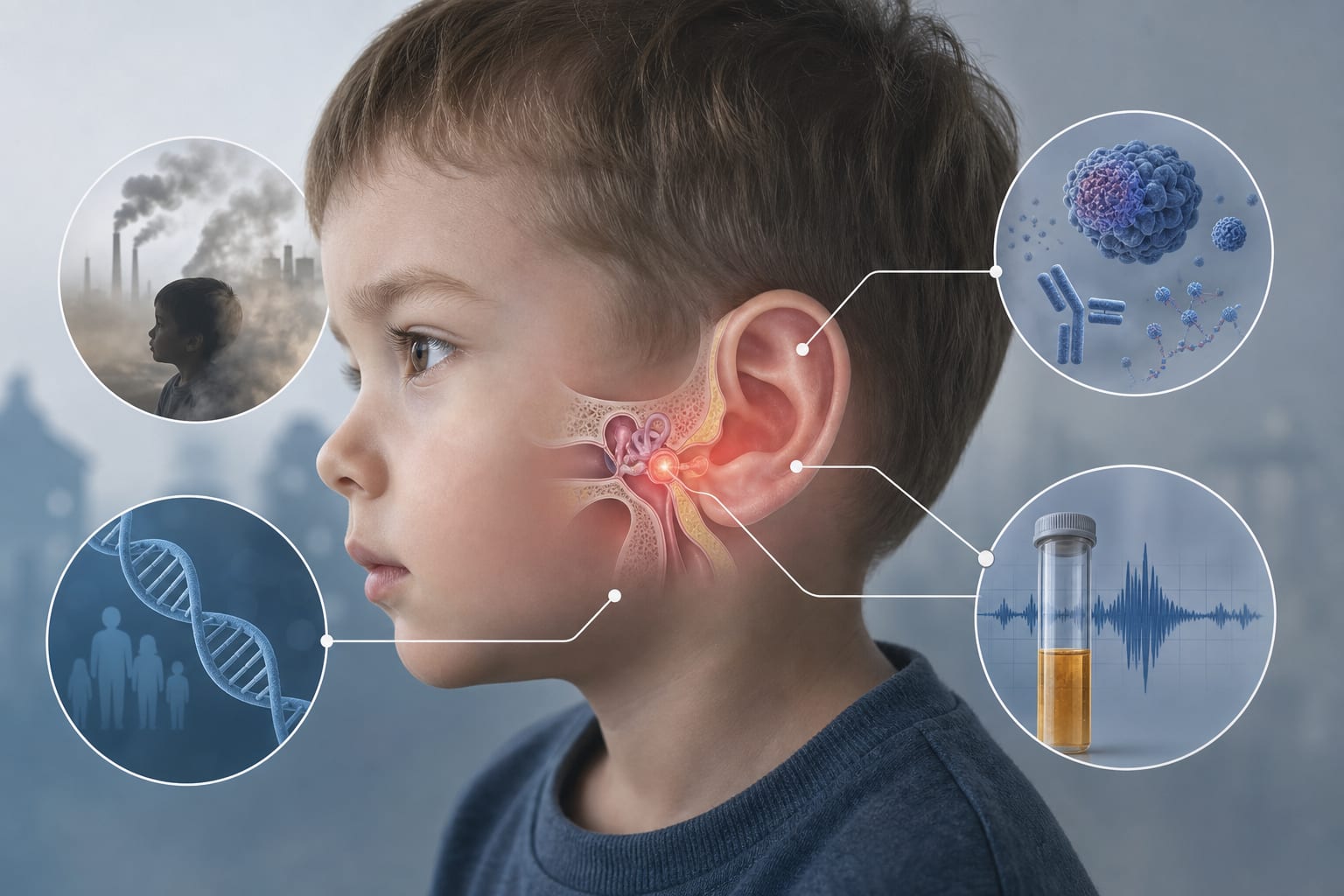
A Comprehensive Approach to Pediatric Otitis Media: The Impact of Environmental Factors, Genetic Predisposition, and Biomarkers in Treatment Strategies
To synthesize current evidence on the roles of environmental exposures, host genetic susceptibility, biomarkers, and microbial factors in pediatric otitis media, with a focus on their interactions and translational relevance for clinical practice.
Key Findings:
Early-life environmental exposures contribute to pediatric otitis media through pathways involving inflammation and immune regulation, impacting treatment approaches.
Host genetic variation further modifies susceptibility to otitis media, suggesting personalized treatment strategies.
Air pollution exposure is consistently linked to increased risk of otitis media in children, necessitating public health interventions.
Interpretation:
Pediatric otitis media is a multifactorial disorder influenced by environmental, genetic, and microbial interactions, necessitating a shift from traditional pathogen-centered models to a more integrated approach that informs clinical practice.
Limitations:
Variability in study designs and populations may affect the strength and consistency of findings, highlighting the need for standardized research methodologies.
Further research is needed to validate biomarkers and their clinical applications, ensuring they can be effectively integrated into treatment strategies.
Conclusion:
An integrated framework for understanding pediatric otitis media can inform future biomarker validation and the development of targeted preventive and therapeutic strategies, ultimately improving patient outcomes.