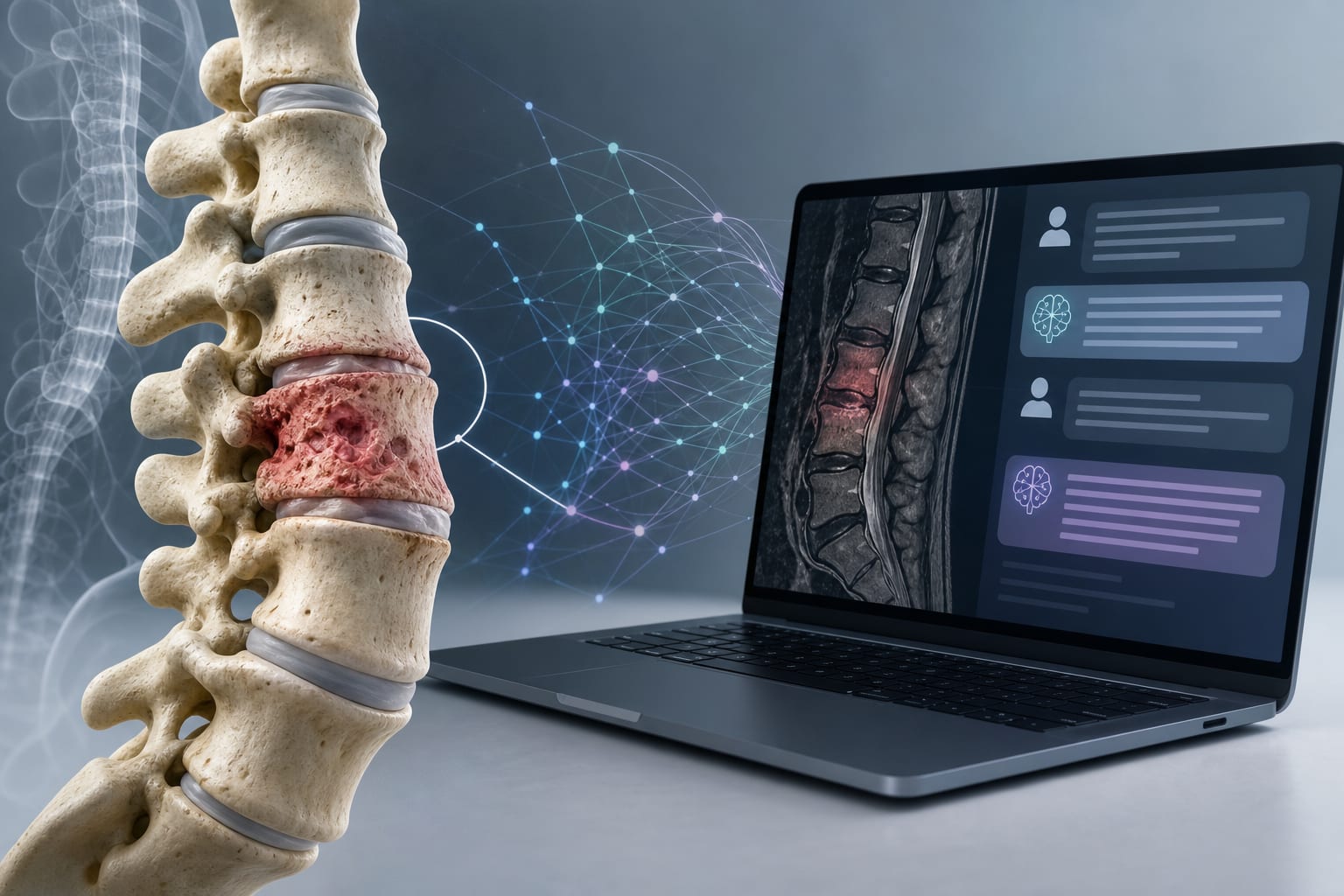
To explore and consolidate emerging evidence on pain management in spine surgery, emphasizing a comprehensive and patient-centered perioperative framework.
Key Findings:
Effective pain management is integral to overall perioperative optimization, supported by emerging evidence.
Minimally invasive surgical strategies reduce tissue trauma and improve early postoperative outcomes, as shown in recent studies.
Non-pharmacological neuromodulation techniques are gaining interest as adjuncts to anesthesia, with promising preliminary results.
Individualized perioperative assessment can predict postoperative pain and satisfaction, emphasizing the need for tailored approaches.
Rehabilitation and complication management are critical for enhancing recovery, as evidenced by coordinated postoperative programs.
Interpretation:
Pain management in spine surgery is multifaceted, involving surgical techniques, analgesic strategies, risk assessment, and rehabilitation.
Limitations:
The editorial does not provide specific data or outcomes from the studies discussed, limiting the applicability of the findings.
Lack of detailed methodologies for the studies referenced may hinder the reader's ability to assess the validity of the conclusions.
Conclusion:
Comprehensive pain management in spine surgery requires an integrated approach beyond pharmacological interventions, including non-pharmacological strategies.