To examine the complexities of color adaptation in dentistry, particularly in relation to shade selection and the introduction of OMNICHROMA composite.
Approach:
Historical Context: Discusses the historical perspectives on color perception from Schopenhauer and Munsell, emphasizing the subjective nature of color.
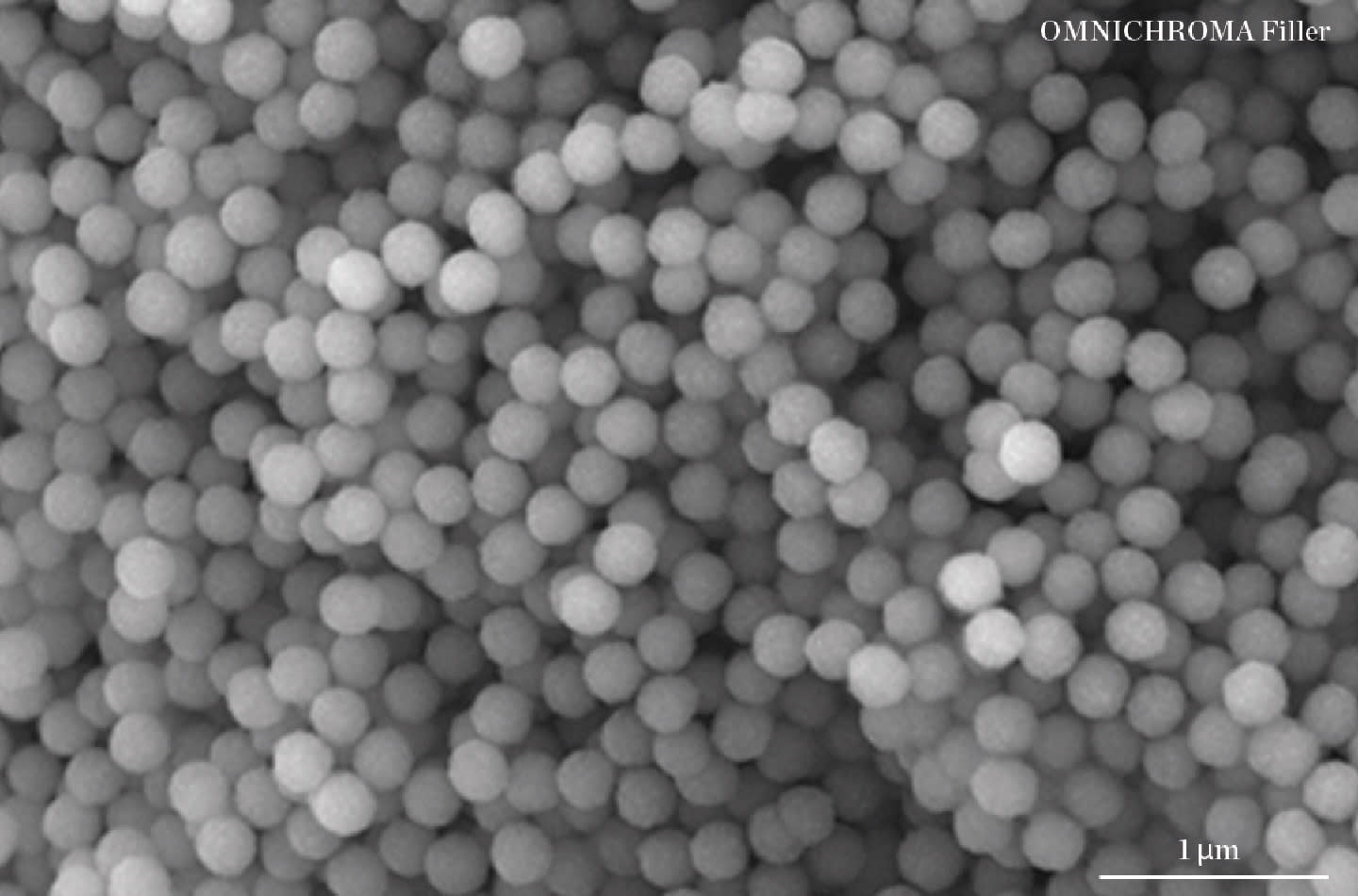
Material Analysis: Analyzes OMNICHROMA's unique properties, including its structural coloration and interaction with light, which allows it to adapt to surrounding tooth structures.
Experimental Study: Describes a spectral analysis study conducted to evaluate the optical behavior of OMNICHROMA compared to conventional composites.
Key Findings:
OMNICHROMA adapts its color based on the surrounding tooth structure rather than having a fixed shade.
The material's performance is influenced by the substrate color beneath it, making it effective in certain clinical situations.
The study demonstrated that OMNICHROMA is the most translucent material tested, with a high matching ability.
Interpretation:
Limitations:
The effectiveness of OMNICHROMA is dependent on the underlying tooth structure, which may not always provide a favorable background for color adaptation.
It is not designed to replace traditional layering techniques for optimal esthetic results.
National survey data found lower per-capita representation across 23 occupations in nonmetropolitan communities, with the largest workforce differences observed among psychologists, physicians, and surgeons.