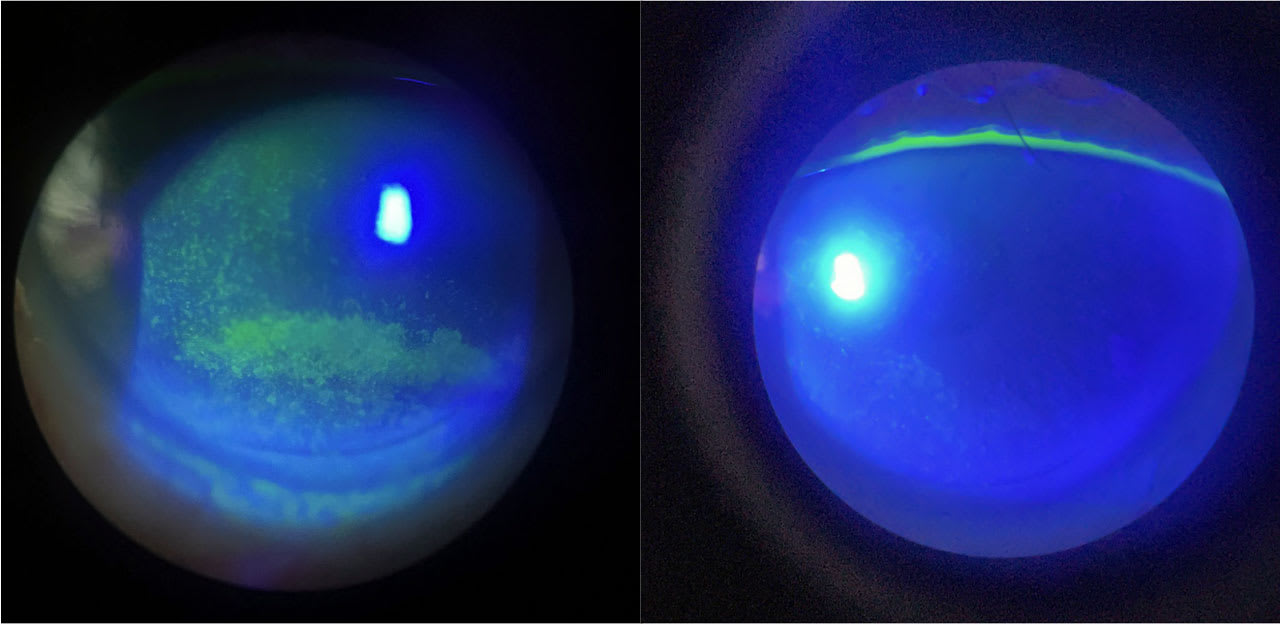
To emphasize the importance of evaluating glaucoma patients for ocular surface disease (OSD) and proactively managing it to ensure optimal visual outcomes.
Key Findings:
Over 50% of glaucoma patients experience chronic OSD due to eyedrop therapy, impacting their quality of life.
Patients with OSD symptoms may have lower adherence to glaucoma medications, leading to worse outcomes.
Asymptomatic patients can still exhibit corneal staining affecting vision, highlighting the need for routine evaluations.
Minimally invasive glaucoma surgery (MIGS) offers a less invasive treatment option with fewer complications, making it suitable for many patients.
Interpretation:
Effective management of OSD in glaucoma patients is crucial for maintaining adherence to treatment, improving quality of life, and preventing further ocular complications.
Limitations:
Access to advanced treatments like platelet-rich plasma drops may be limited, affecting treatment options.
Not all patients may be candidates for non-drop therapies or MIGS, necessitating individualized treatment plans.
Conclusion:
Screening for OSD should be a standard part of glaucoma management to optimize patient outcomes, and clinicians should consider alternative therapies to reduce reliance on eyedrops while personalizing care.