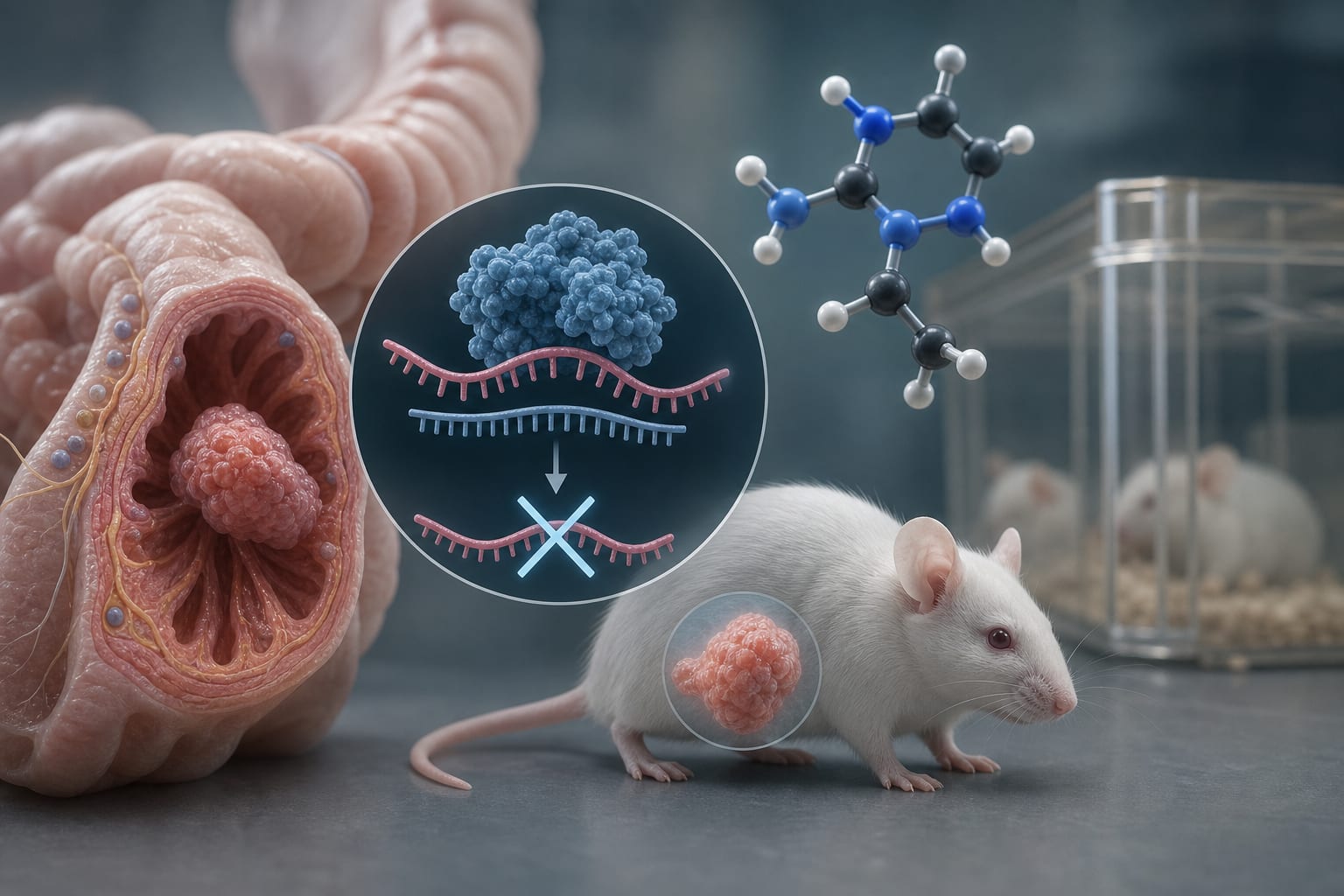
To investigate the effect of metformin on the growth of small intestinal neuroendocrine tumors (SI-NETs) in vivo and to elucidate the miRNA signature in response to metformin treatment.
Approach:
Animal Model: Female NMRI-nude mice were used to establish tumor xenografts from SI-NET cell lines. Mice were divided into control and metformin treatment groups.
Tumor Xenograft Establishment: CNDT2.5 and GOT1 cell lines were injected subcutaneously into mice to form xenograft tumors, which were monitored and measured for growth.
Immunohistochemistry: Tumor sections were analyzed using immunohistochemistry to assess the expression of synaptophysin, Ki-67, and active caspase-3.
RNA Extraction and Sequencing: Total RNA was isolated from xenograft tumor sections for microRNA sequencing to analyze miRNA expression profiles.
Key Findings:
Metformin treatment resulted in reduced tumor growth in SI-NET xenografts compared to control.
Specific miRNA expression profiles were identified in response to metformin treatment.
Potential driver genes affected by metformin in SI-NETs were revealed.
Interpretation:
Limitations:
The study was conducted in animal models, which may not fully replicate human disease.
The sample size was limited, affecting the generalizability of the results.