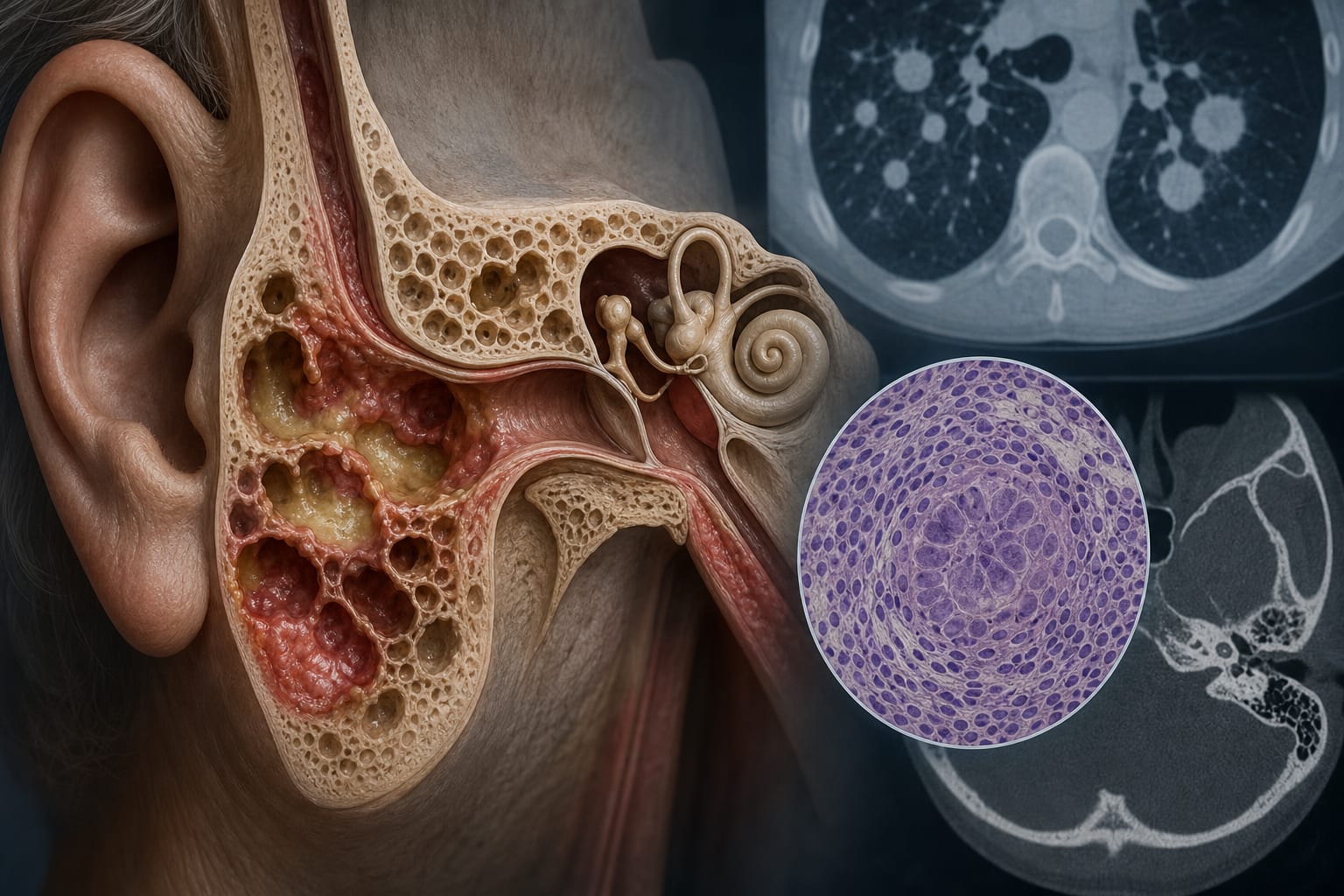
To propose a mechanistic framework for the sensorineural component of persistent olfactory dysfunction (OD) in patients with allergic rhinitis (AR).
Approach:
Hypothesis Development: The hypothesis suggests that allergen-induced epithelial stress in the olfactory cleft activates an alarmin–ILC2/type 2 neuroimmune pathway, contributing to persistent olfactory dysfunction.
Evidence Review: Current support for the hypothesis is derived from murine models of olfactory inflammation, ex vivo studies of olfactory tissues, and research on chronic rhinosinusitis, highlighting an evidence gap in direct validation in human allergic rhinitis olfactory cleft tissue.
Key Findings:
Olfactory dysfunction is reported in 28%-43% of allergic rhinitis patients, impacting quality of life.
Conventional explanations based on conductive obstruction do not fully account for persistent olfactory dysfunction in some allergic rhinitis patients.
Inflammatory features, such as eosinophilic inflammation, may contribute to olfactory impairment beyond airflow limitation.
Interpretation:
The proposed model generates predictions regarding olfactory cleft alarmins and type 2 cytokines, guiding future research.
Limitations:
The hypothesis is not validated in human AR olfactory cleft tissue.
Current evidence is indirect and derived from non-olfactory studies.
Conclusion:
The article presents a working hypothesis for future studies on AR-associated OD, emphasizing the need for further investigation into the proposed mechanisms.