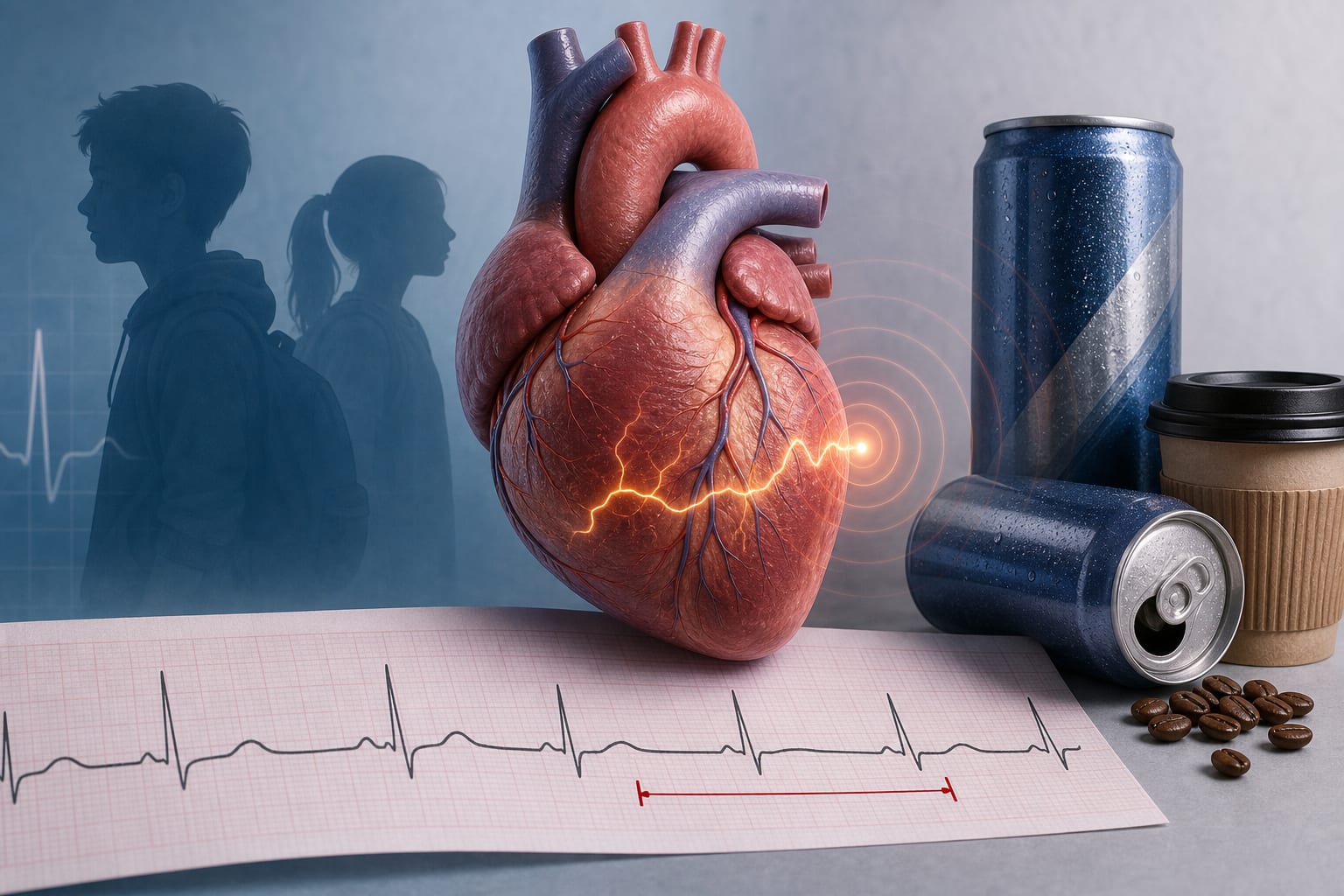
To assess the literature on caffeine-associated arrhythmias and electrocardiographic alterations in children and adolescents.
Approach:
Systematic Review Methodology: The review followed the PRISMA 2020 guidelines and was registered in the PROSPERO database. A comprehensive literature search was conducted across multiple databases for studies on caffeine consumption and arrhythmogenic outcomes in individuals under 19.
Inclusion and Exclusion Criteria: Peer-reviewed articles reporting on caffeine consumption and cardiac outcomes in children and adolescents were included. Excluded were animal studies, non-English articles, and studies without arrhythmia-related outcomes.
Data Extraction: Data were extracted by two reviewers using the COVIDence tool and Microsoft Excel, focusing on patient demographics, caffeine intake, side effects, and arrhythmias.
Key Findings:
12 articles met the inclusion criteria, including 9 case reports, 1 prospective study, 1 retrospective study, and 1 review.
39 patients with documented arrhythmias or electrocardiographic abnormalities associated with caffeine consumption were reported.
One patient died from refractory ventricular fibrillation after consuming multiple cans of energy drinks in a short period.
Affected patients' ages ranged from 13 to 18 years, with a gender distribution of 31% females and 69% males.
Interpretation:
The review summarizes findings related to caffeine consumption in pediatric populations, particularly concerning arrhythmias and electrocardiographic changes.
Limitations:
The evidence is primarily based on case reports and small studies, which limits the generalizability of the findings.
The total number of caffeine-exposed adolescents without cardiac effects was not consistently reported.
Conclusion:
This review highlights the findings on caffeine's arrhythmogenic effects in children and adolescents.
Patients with lower nonischemic resting full-cycle ratio values had more repeat revascularizations despite similar 2-year major cardiovascular event rates.