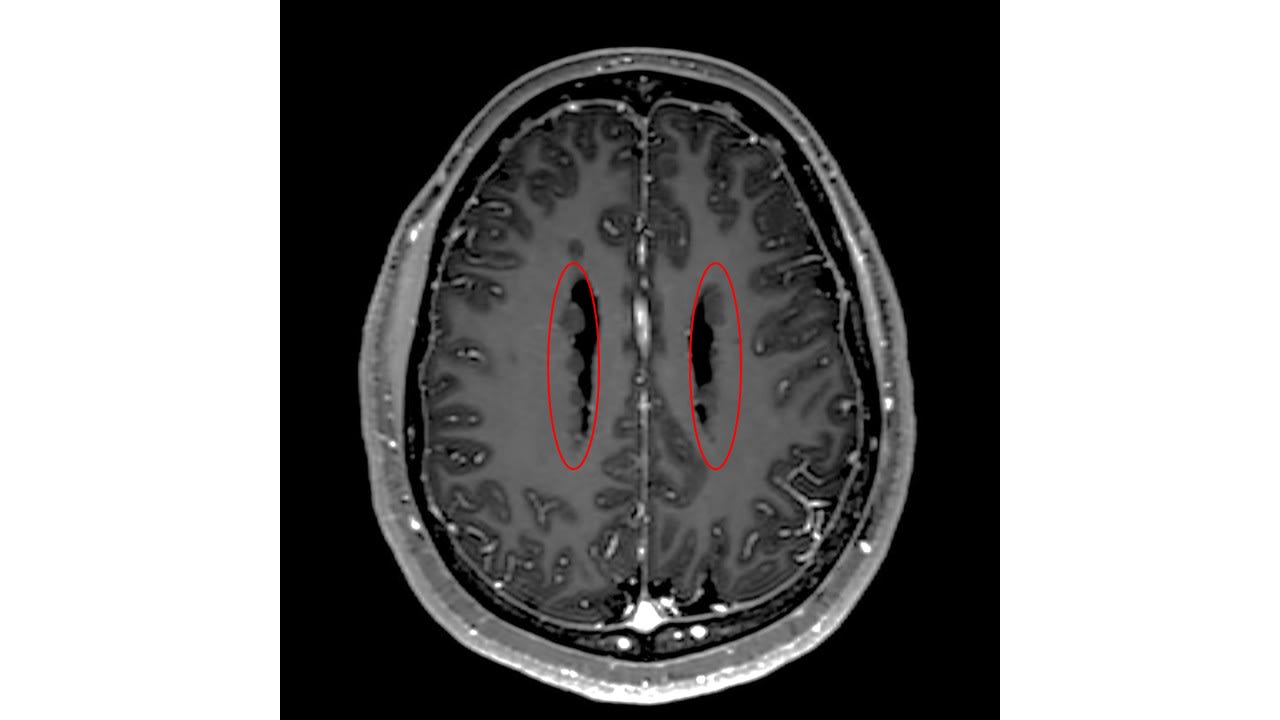
To investigate the associations among seizure control and post-mortem neuropathological findings in people with dementia (PWD), highlighting the potential impact on clinical outcomes.
Key Findings:
Active seizure participants had the highest mortality rate (56%) compared to remote (35%) and no seizures (34%), P < 0.001, indicating a significant difference in outcomes.
Active seizure participants died at a younger age (75.8 years) and had more severe dementia (CDR score: 2.36) than remote (77.9 years, 1.90) and controls (80.8 years, 1.69), P < 0.001, suggesting a correlation between seizure activity and dementia severity.
Active seizures were associated with more severe Alzheimer’s pathology, including higher Braak stages and CERAD scores, indicating a link between seizure activity and disease progression.
Active seizure participants exhibited more neurodegeneration, including cerebral and hippocampal atrophy, compared to controls, highlighting the impact of seizures on brain health.
Interpretation:
Active seizures in PWD are linked to earlier death and more severe neuropathological changes, indicating a worse prognosis and necessitating vigilant monitoring.
Limitations:
The study is observational and cannot establish causation, which limits the interpretation of the findings.
Data is limited to post-mortem findings, which may not fully represent the clinical course during life, potentially overlooking important aspects of seizure impact.
Conclusion:
Clinicians should be vigilant in detecting ongoing seizures in PWD, as they may indicate a worse prognosis and more severe underlying pathology, emphasizing the need for proactive management.
Epilepsy remains a life-altering condition, particularly due to the unpredictable nature of seizures and their cumulative impact on cognition, independence and quality of life.