Development and validation of an m6A and autophagy related lncRNAs signature for predicting survival and modulating the immune microenvironment in esophageal squamous cell carcinoma - Summary - MDSpire
Advertisement
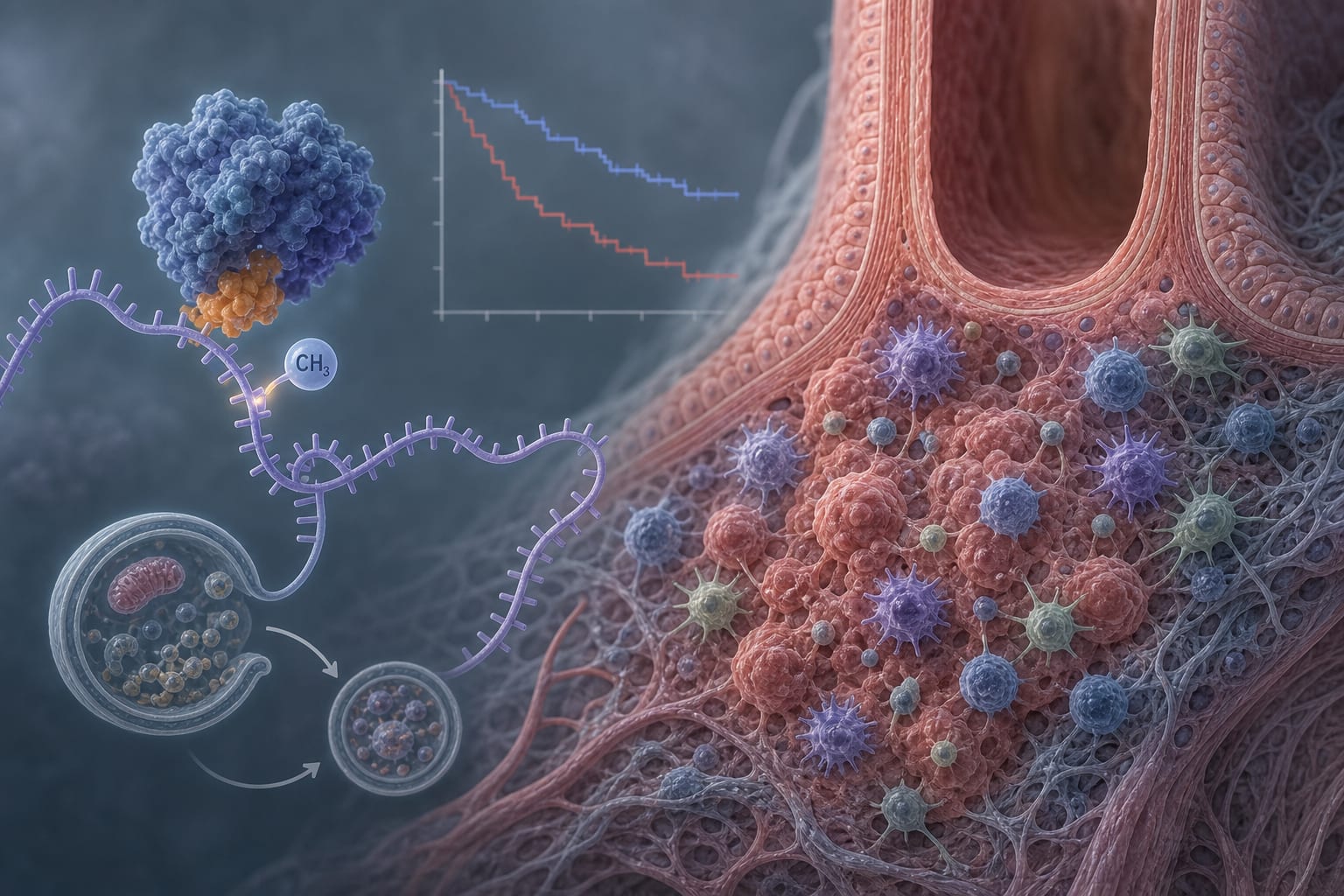
Development and validation of an m6A and autophagy related lncRNAs signature for predicting survival and modulating the immune microenvironment in esophageal squamous cell carcinoma
To establish a prognostic framework derived from m6A- and autophagy-related lncRNAs (m6aARLncs) to enhance survival prediction in esophageal squamous cell carcinoma (ESCC) and elucidate its role in modulating the tumor immune microenvironment, particularly in relation to immune cell interactions.
Key Findings:
A robust risk prognostic model based on five m6aARLncs was established, predicting overall survival in ESCC patients.
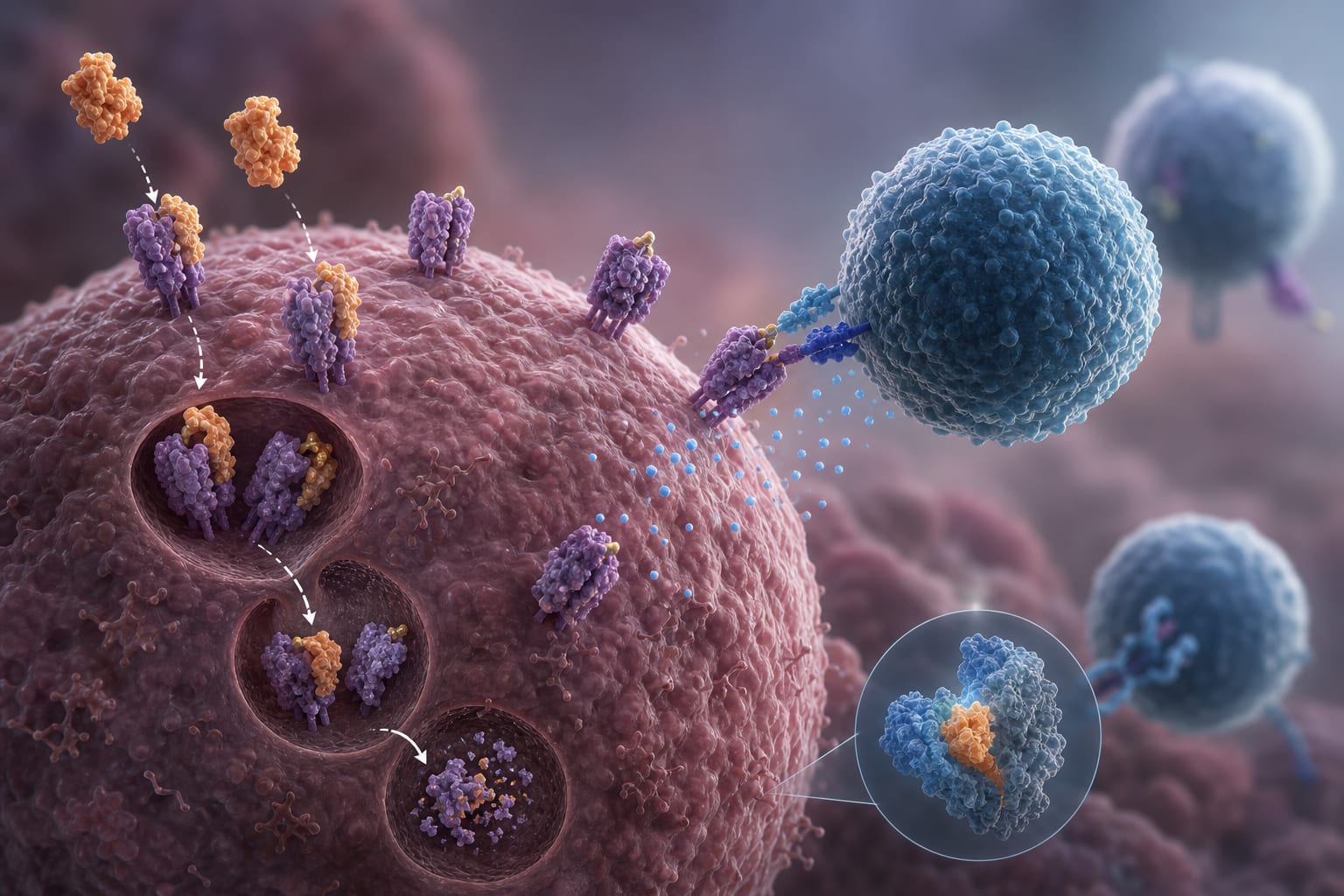
The immune profiling revealed a unique immune phenotype characterized by specific immune cell infiltrations, including mast cells, B cells, and tumor-infiltrating lymphocytes.
Two immune checkpoint molecules, TNFRSF18 and LAIR1, showed significant correlation with risk stratification, indicating their potential therapeutic relevance.
Nine compounds were identified with differential sensitivity between risk groups.
Interpretation:
The findings suggest a novel m6A-autophagy-lncRNA regulatory axis that may play a pivotal role in ESCC pathogenesis and immune landscape modulation.
Limitations:
The study relies on transcriptomic data which may not capture all aspects of tumor biology, potentially limiting the generalizability of the findings.
Further validation in clinical settings is required to confirm the prognostic model's utility and effectiveness.
Conclusion:
The study provides insights into prognostic stratification and the immune landscape in ESCC, potentially guiding targeted therapeutic interventions and informing future research directions.