To advance the investigational targeted antisense oligonucleotide HT-KIT for KIT-driven cancers using AI technology.
Key Findings:
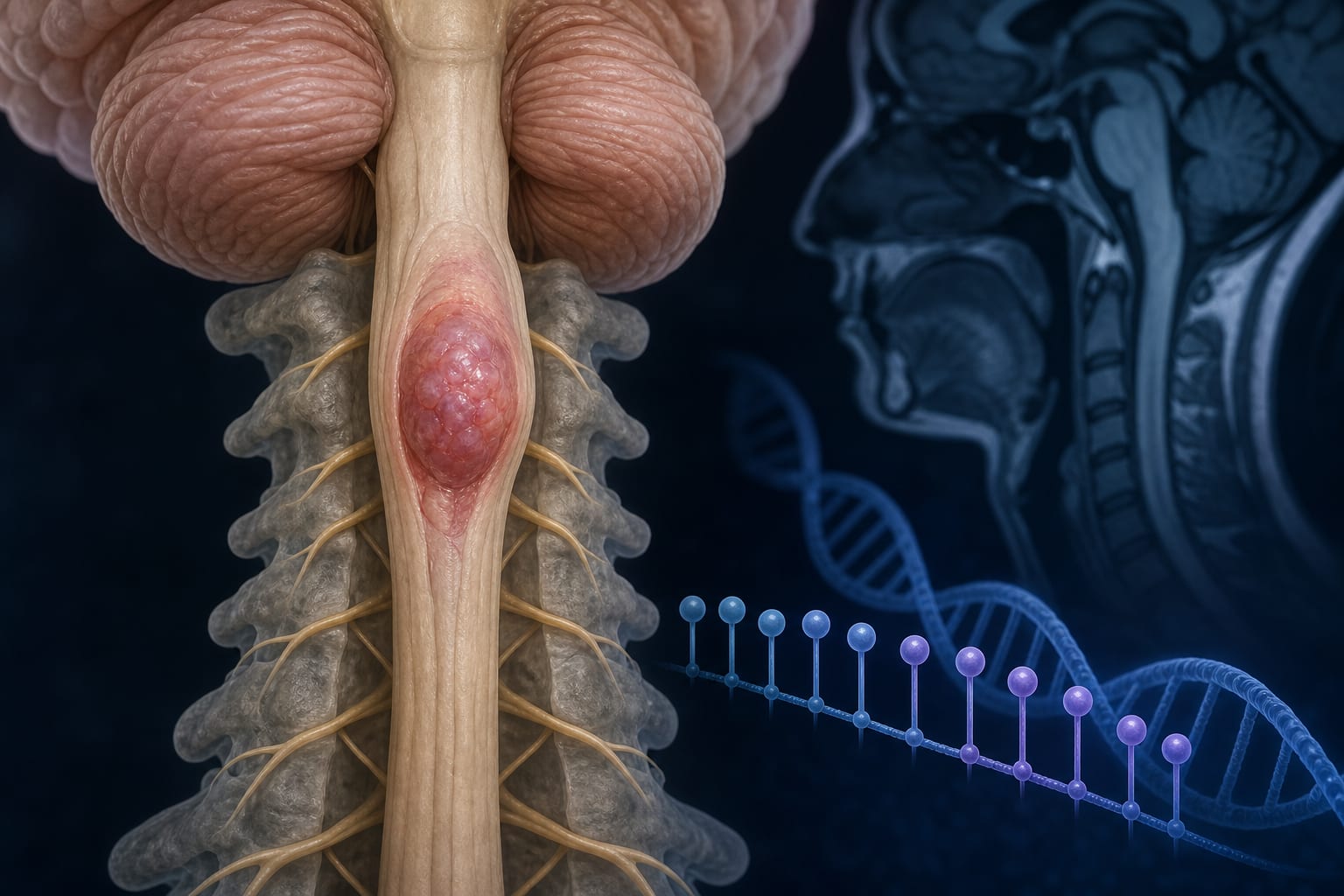
HT-KIT targets rare cancers driven by KIT mutations, including systemic mastocytosis and gastrointestinal stromal tumors.
Preclinical studies showed over 80% reduction in KIT mRNA and protein expression.
Xenograft studies indicated significant tumor-volume reductions and apoptotic signaling within eight days.
No dose-limiting toxicities were reported in preclinical safety studies.
Interpretation:
The use of AI is enhancing Hoth's development strategy, facilitating the transition from preclinical to clinical phases.
Limitations:
The article does not provide detailed information on long-term safety or efficacy beyond preclinical findings.
Further validation in clinical trials is necessary to confirm the therapeutic potential of HT-KIT.
Conclusion:
Hoth's integration of AI in the development of HT-KIT reflects a growing trend in the biopharmaceutical industry, aiming to streamline the path to clinical evaluation.