To summarize recent advances in the diagnosis and treatment of pediatric asthma, including insights into pathophysiology, diagnostic breakthroughs, and therapeutic techniques.
Key Findings:
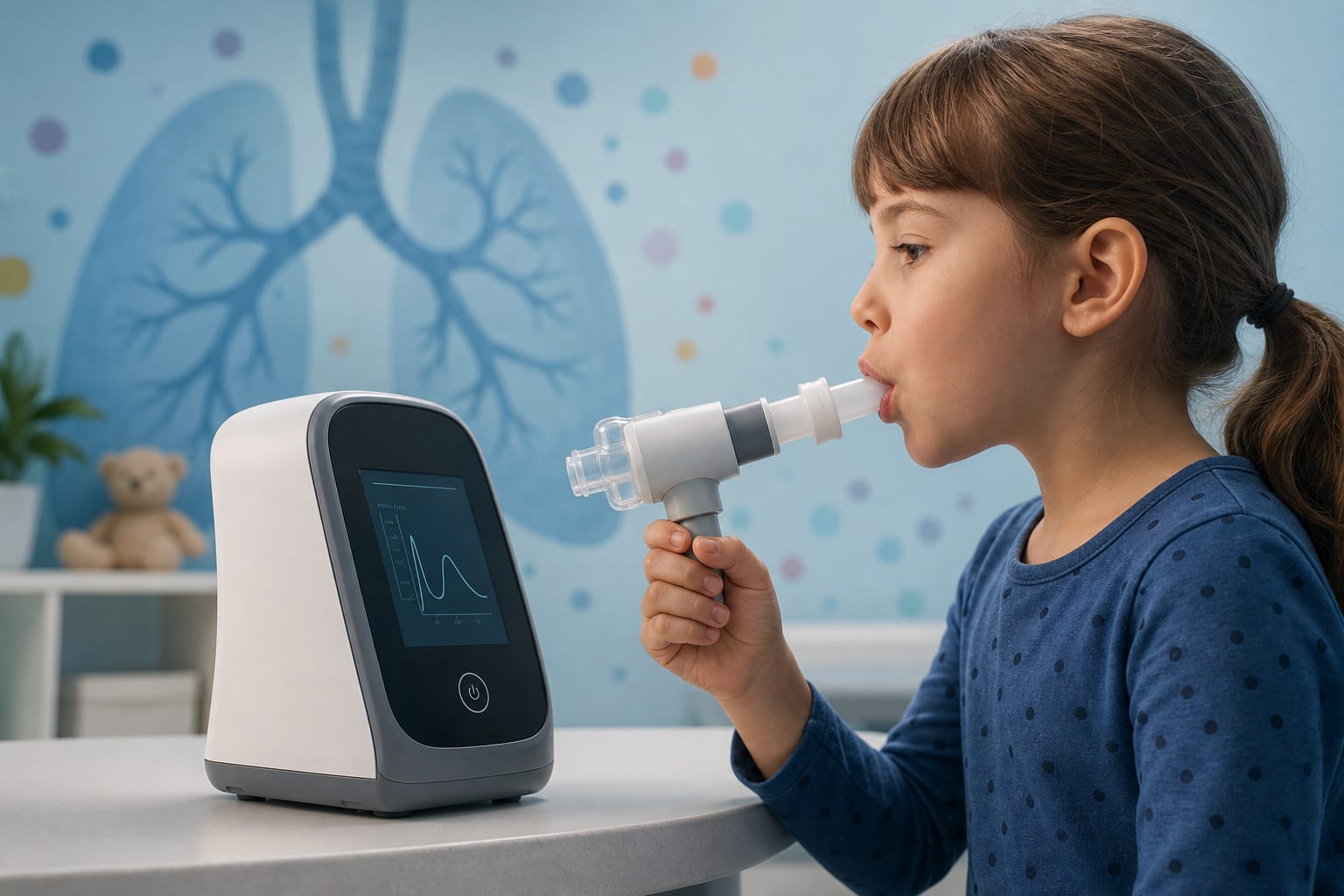
Advances in diagnosis include the measurement of fractional exhaled nitric oxide and blood eosinophils.
Optimal management combines planned daily care, systematic symptom monitoring, and adherence to medications.
Targeted preventative methods reduce exacerbation risk and promote long-term control.
Barriers to healthcare access and treatment adherence highlight the need for creative solutions.
Emerging approaches like digital self-management tools and precision-based prevention strategies are being explored.
Interpretation:
Limitations:
Persistent barriers to healthcare access.
Disparities in disease burden.
Issues with treatment adherence.
Conclusion:
Comprehensive pediatric asthma management involves integrating pharmacological and non-pharmacological therapies, focusing on early detection and coordinated care.
A large audit of biomedical publications suggests fabricated references are increasingly appearing in peer-reviewed papers — often in ways that are difficult for reviewers and readers to detect.