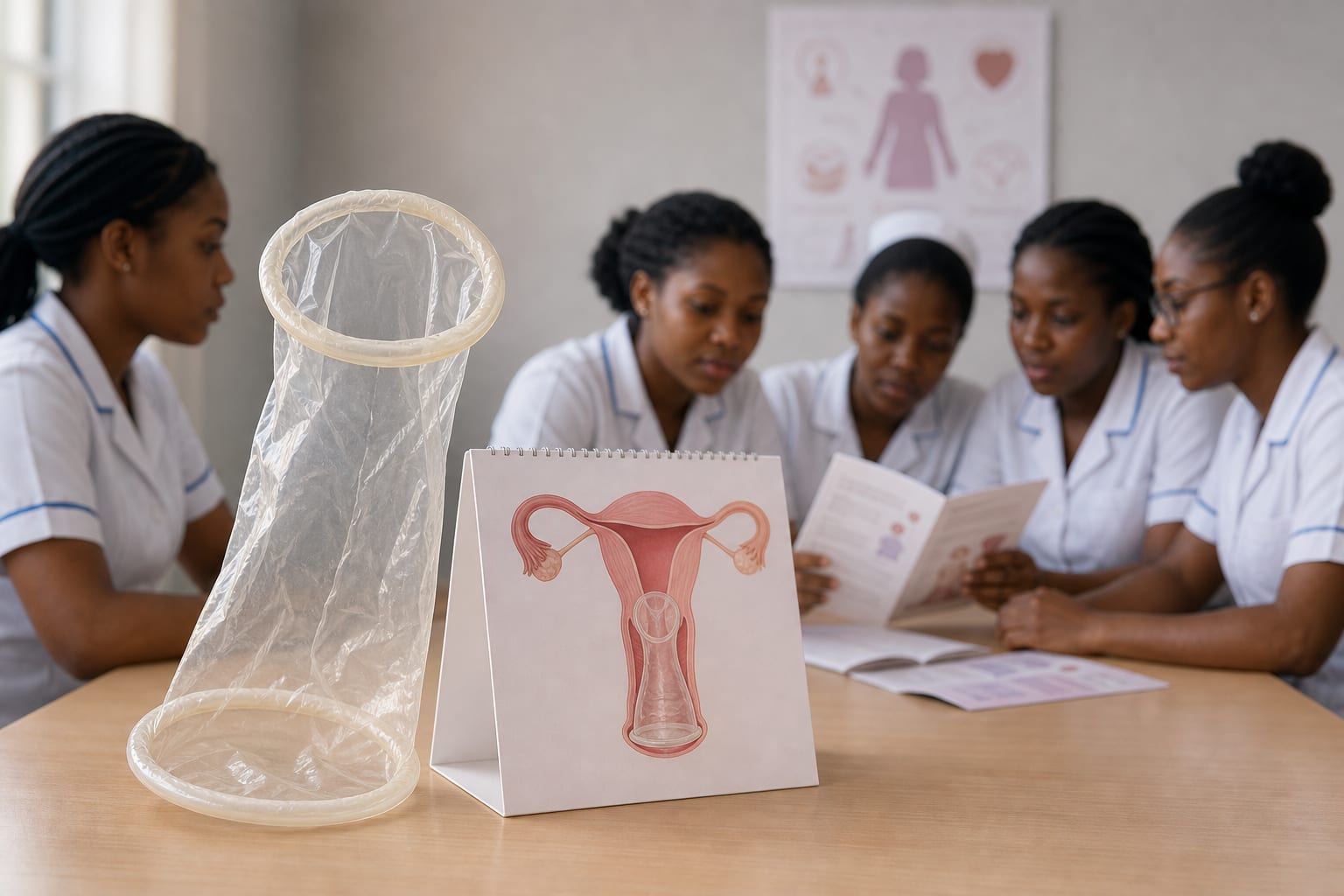
To explore the complexities of contraceptive choices and sexual well-being during the menopausal transition.
Approach:
Menopausal Transition Overview: The menopausal transition (MT) involves fluctuating hormones, changing fertility, and evolving contraceptive needs, impacting women's health and well-being.
Contraceptive Considerations: Pregnancy remains possible until menopause is confirmed, necessitating careful contraceptive considerations to avoid unintended pregnancies.
Sexual Well-Being Factors: Sexual well-being during MT is influenced by hormonal changes, contraceptive choices, and the need for structured clinician-patient discussions.
Research Insights: Studies highlight uncertainties in contraceptive practices, such as the challenges in safely removing intrauterine contraceptive devices (IUCDs) in postmenopausal women.
Integrated Approach: Sexual health requires a biopsychosocial approach, addressing hormonal, relational, and public health dimensions.
Key Findings:
Menopause is a critical phase affecting various aspects of women's health, including sexual function and contraceptive needs.
Contraceptive choices can either exacerbate or alleviate sexual dysfunction during the menopausal transition.
Supportive healthcare systems and public policies are essential for optimizing perimenopausal sexual health.
Interpretation:
Sexual well-being during menopause is multifaceted, requiring a comprehensive approach that integrates biological, psychological, and social factors.
Limitations:
The editorial does not provide direct articles addressing broader contraceptive options during menopause.
There is a lack of structured discourse on contraceptive concerns between clinicians and women in MT.
Conclusion:
Effective menopausal care necessitates multidisciplinary approaches that consider both physical and psychosocial health dimensions.