To explore the distribution of adipose tissue and its implications for metabolic health, particularly focusing on the biology of specific fat depots and therapeutic interventions.
Approach:
Adipose Tissue Characterization: The review discusses the differences in cellular composition, endocrine function, and metabolic activity among major adipose compartments, including SAT, VAT, brown and beige adipose tissues, and ectopic fat.
Clinical Evaluation: It highlights advances in imaging and body-composition analysis that enhance the understanding of adipose tissue distribution and its metabolic implications.
Therapeutic Interventions: The review examines various therapeutic strategies, including lifestyle interventions and pharmacological treatments, and their differential effects on adipose distribution.
Key Findings:
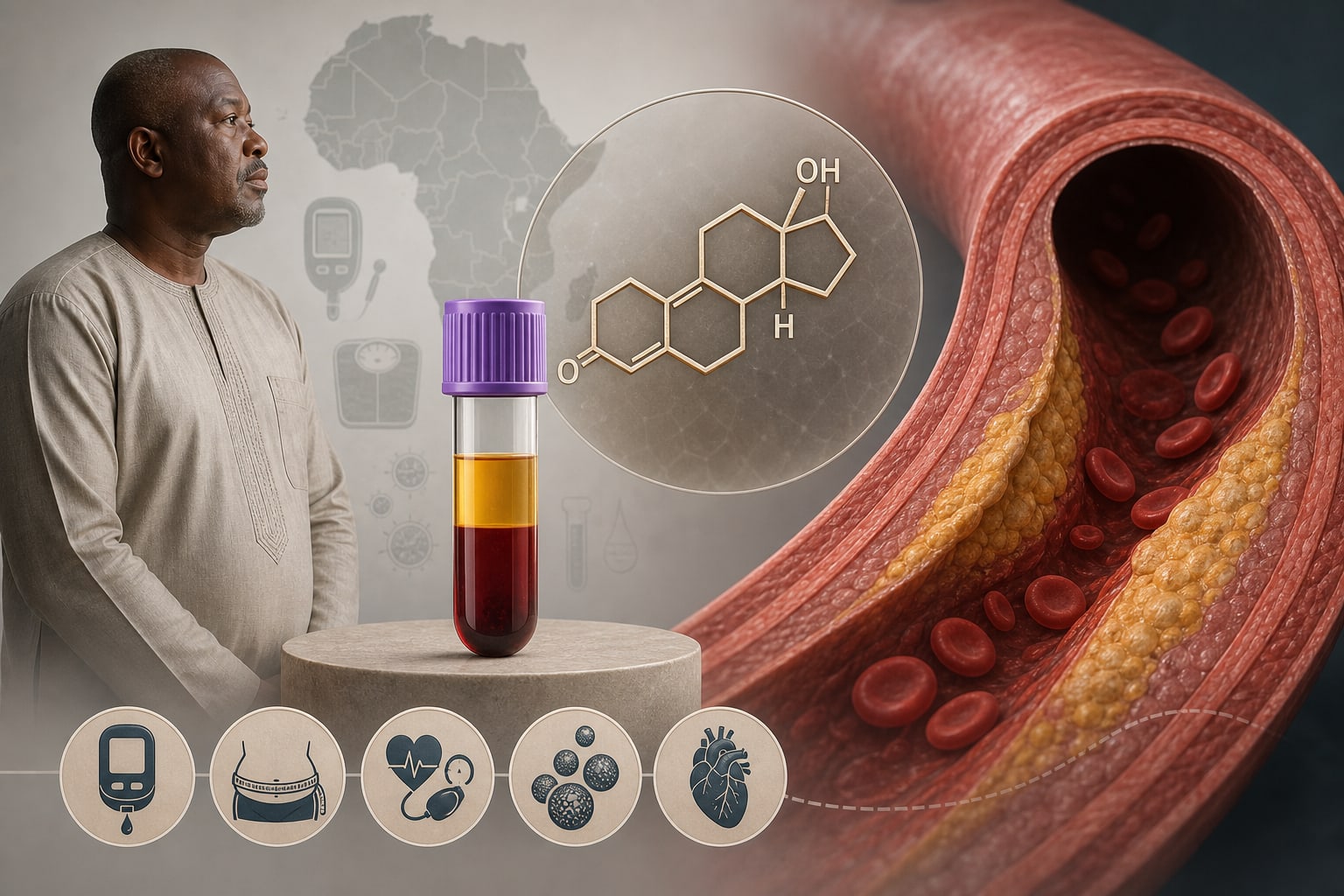
Excess visceral and ectopic fat is strongly associated with insulin resistance, type 2 diabetes mellitus (T2DM), cardiovascular disease (CVD), and metabolic syndrome (MetS).
Lower-body subcutaneous adipose tissue (SAT), particularly gluteofemoral SAT, may serve as a protective lipid-buffering reservoir.
Adipose tissue distribution is influenced by a complex interplay of genetic, environmental, and lifestyle factors.
Interpretation:
The review proposes an integrated framework for understanding adipose tissue distribution, linking depot-specific biology, lipid-buffering capacity, clinical assessment, and therapeutic remodeling.
Limitations:
The review does not establish routine clinical applications for some therapeutic approaches discussed.
Current assessment methods may not fully capture the complexity of adipose tissue distribution.
Conclusion:
Understanding the biology and distribution of adipose tissue is crucial for addressing metabolic disorders and developing effective therapeutic strategies.