Deep Learning Algorithms Versus Radiologists in Digital Breast Tomosynthesis for Breast Cancer Detection: Systematic Review and Meta-Analysis - Summary - MDSpire
Advertisement
Deep Learning Algorithms Versus Radiologists in Digital Breast Tomosynthesis for Breast Cancer Detection: Systematic Review and Meta-Analysis
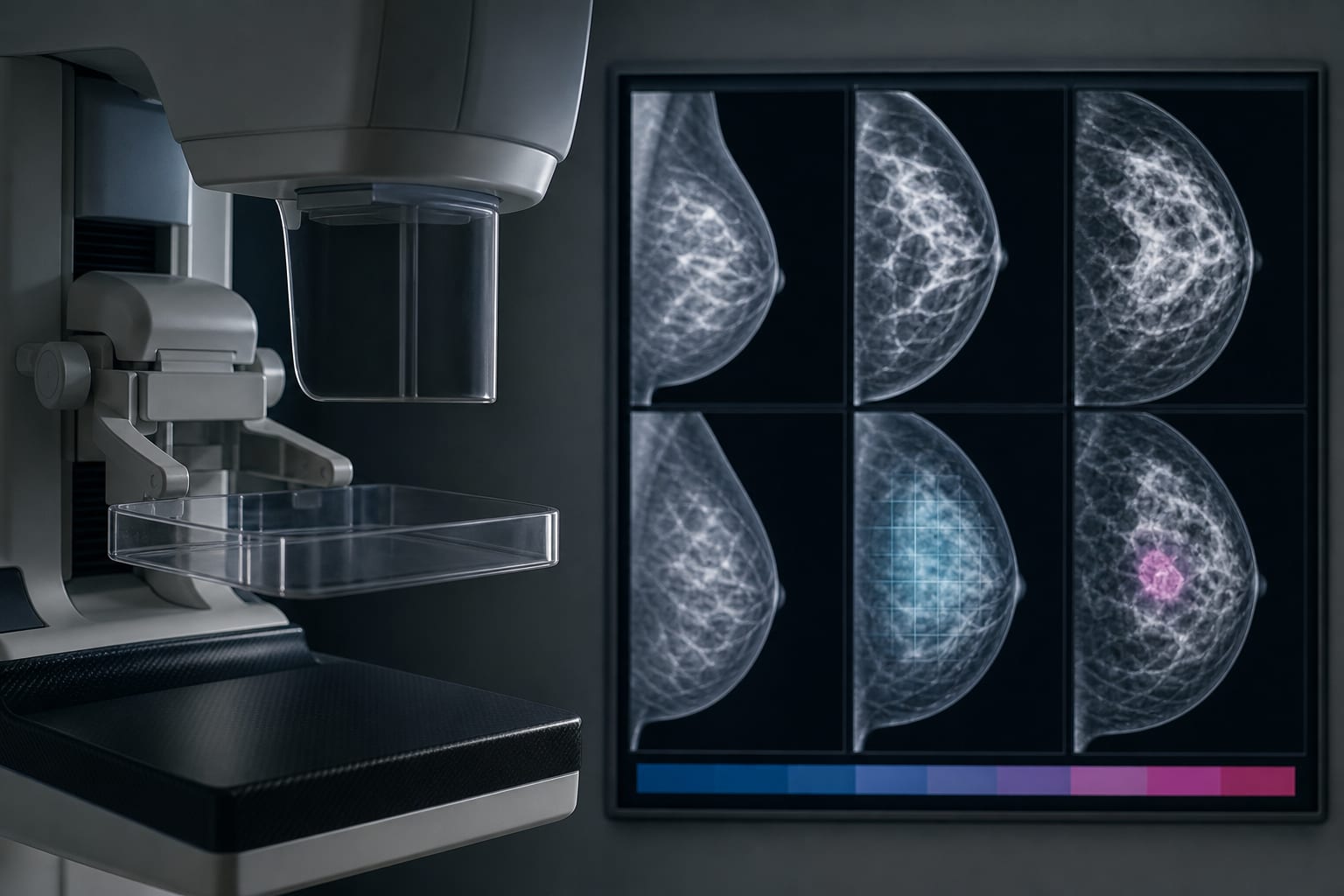
To comprehensively compare the diagnostic performance of deep learning (DL) algorithms versus radiologists of varying experience levels in detecting breast cancer via digital breast tomosynthesis (DBT), highlighting the implications for clinical practice.
Key Findings:
DL algorithms show potential in enhancing lesion detection and classification in DBT, which could lead to improved patient outcomes.
Performance of DL algorithms varies, with some studies indicating superiority over radiologists, while others highlight challenges with false positives and generalizability, necessitating careful consideration in clinical settings.
The experience level of radiologists significantly influences diagnostic outcomes, suggesting a need for tailored training and support.
Interpretation:
The findings suggest that while DL algorithms can assist in breast cancer detection, their effectiveness may depend on various factors, including the specific algorithm used and the experience of the interpreting radiologist, which could impact clinical decision-making.
Limitations:
Heterogeneity in study designs and populations may affect the generalizability of results, particularly in diverse clinical settings.
Inconsistent performance of DL algorithms across different vendors and settings raises concerns about their reliability in practice.
Conclusion:
A rigorous synthesis of current evidence is essential to understand the comparative effectiveness of DL and radiologists in DBT, which may ultimately inform clinical practice and improve breast cancer detection rates, guiding future research directions.