Managing the Growing Emergency-Care Demands in Ophthalmology: A Closer Look at Call Coverage
-
By
-
Christopher J. Rapuano
-
October 10, 2026
Objective:
The article examines the objective, findings, and clinical context described in Managing the Growing Emergency-Care Demands in Ophthalmology: A Closer Look at Call Coverage.
Approach:
- Context: The author draws on more than 25 years overseeing a cornea and anterior segment trauma call schedule and cites Feng et al.’s analysis of US academic centers from 2013 to 2024.
- Initiative: The AAO consolidated emergency and trauma resources, made selected references available through its education app, developed webinars, and created tools for discussions with hospital administrators.
Key Findings:
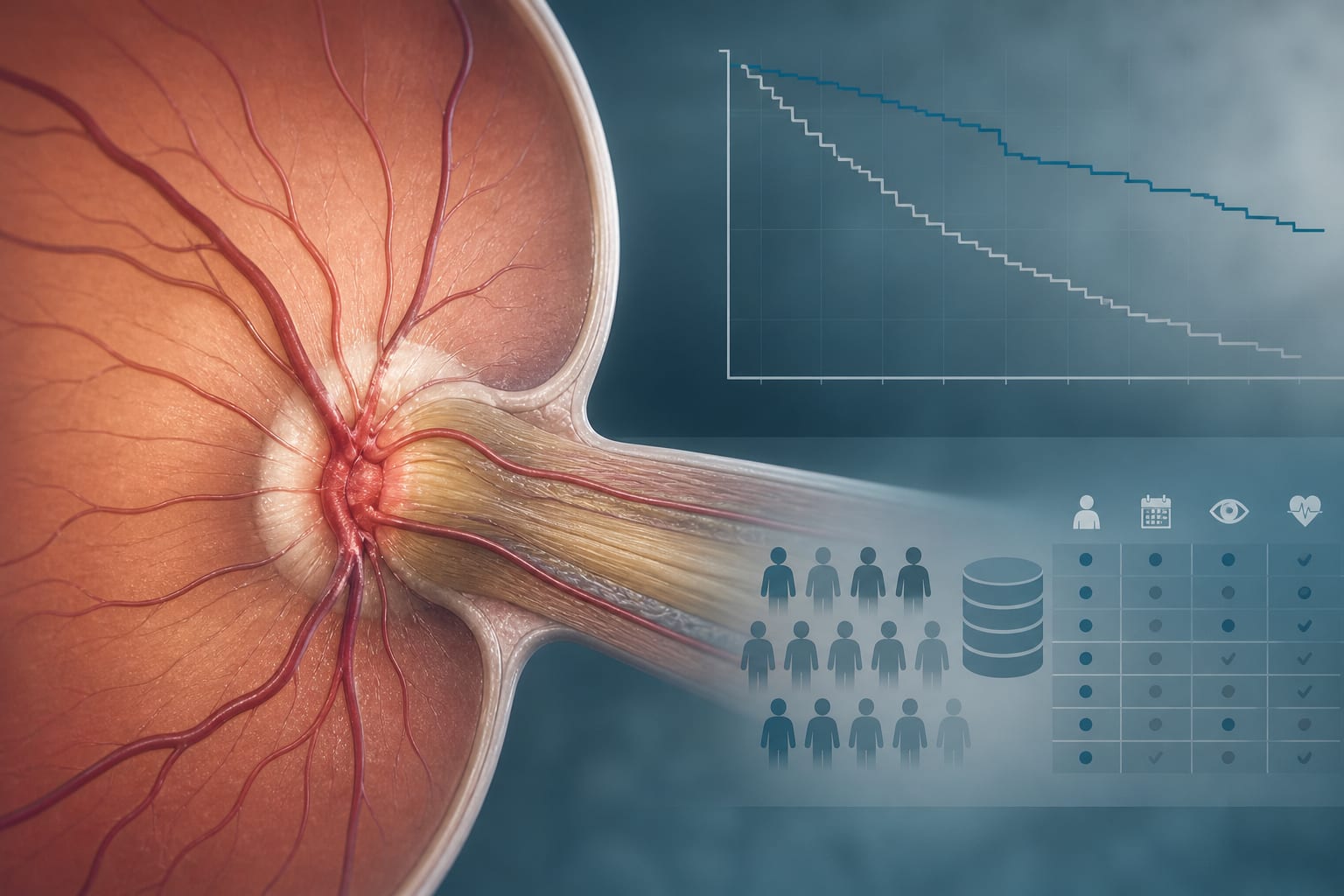
- Feng et al. reported statistically significant increases from 2013 through 2024 in ophthalmology transfer requests, completed transfers, inpatient consultations, and emergency department consultations at US academic centers.
- The article identifies compensation, equipment, medicolegal risk, hospital privileges, subspecialization, employer policies, and work-life balance concerns as factors associated with fewer ophthalmologists accepting call.
- The author describes burdens from transfers, including practical and financial costs for patients and families, possible delays when transfers are warranted, and workload pressures on academic trainees.
Interpretation:
The author presents call coverage as a growing challenge and describes the AAO initiative as an effort to provide resources and support local solutions. The author notes that Feng et al.’s findings provide a baseline for assessing progress.
Limitations:
- The article is a perspective based on the author’s experience and does not report a formal evaluation of the AAO initiative.
- The cited trend analysis covers US academic centers; the article notes that figures differed across institutions.
Conclusion:
The author reports hearing of local improvements in call arrangements using the developed materials and hopes such efforts will continue.
Sources:
Based on findings from:
Addressing the Emergency-Care Burden in Ophthalmology—Keeping an Eye on the Call
Christopher J. Rapuano. Jama Network Open, 2026.
https://jamanetwork.com/journals/jamanetworkopen/fullarticle/2855168
This content is an AI-generated, fully rewritten summary based on a published scholarly article. It does not reproduce the original text and is not a substitute for the original publication. Readers are encouraged to consult the source for full context, data, and methodology.