Interleukin-10 at the crossroads of immunity in TLR7-induced lupus - Summary - MDSpire

Interleukin-10 at the crossroads of immunity in TLR7-induced lupus

  • By

  • Johanna Pauline Williams

  • Anaïs Amend

  • Anna-Lena Schäfer

  • Paola Fernanda Ruiz-Aparicio

  • Antoine Nicolas Kraemer

  • Aileen Qian Luo

  • Laura Riechert

  • Lara Weber

  • Baerbel Keller

  • Rudolf Armin Manz

  • Reinhard Edmund Voll

  • Nina Chevalier

  • June 22, 2026

  • 0 min

Share

Objective:

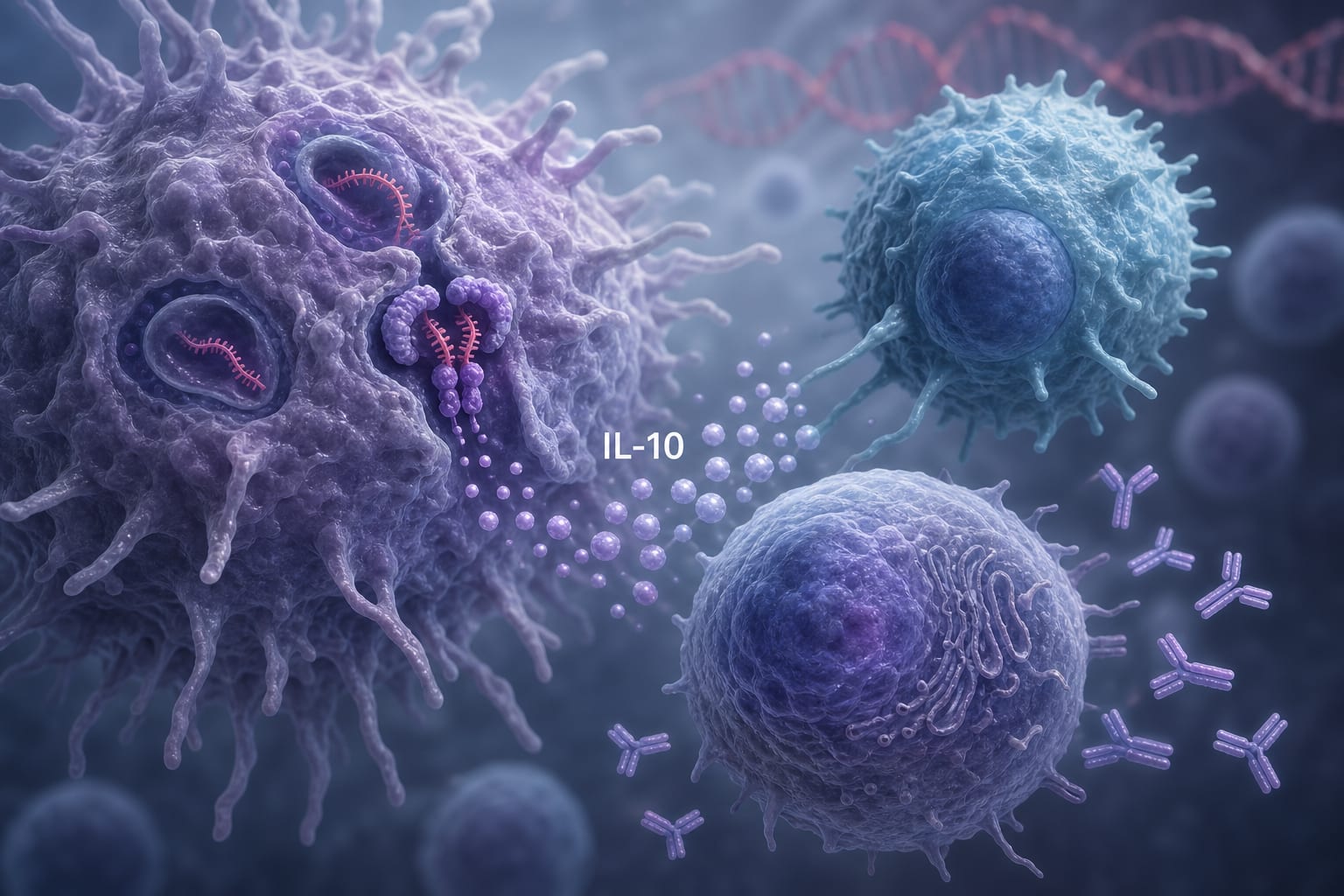
To clarify the role of interleukin-10 (IL-10) in systemic lupus erythematosus (SLE), particularly its dual pro-inflammatory and anti-inflammatory effects.

Approach:
    Key Findings:
    • IL-10 exhibited both pro-inflammatory and anti-inflammatory effects on immune cells in the context of a TLR7-mediated lupus model.
    • Overall, IL-10 modestly limited disease progression in the murine model.
    • Blockade of IL-10R increased IL-17 levels and reduced regulatory T cell frequencies.
    • IL-10R blockade also decreased IL-10 and slightly interferon gamma (IFN-γ) expression.
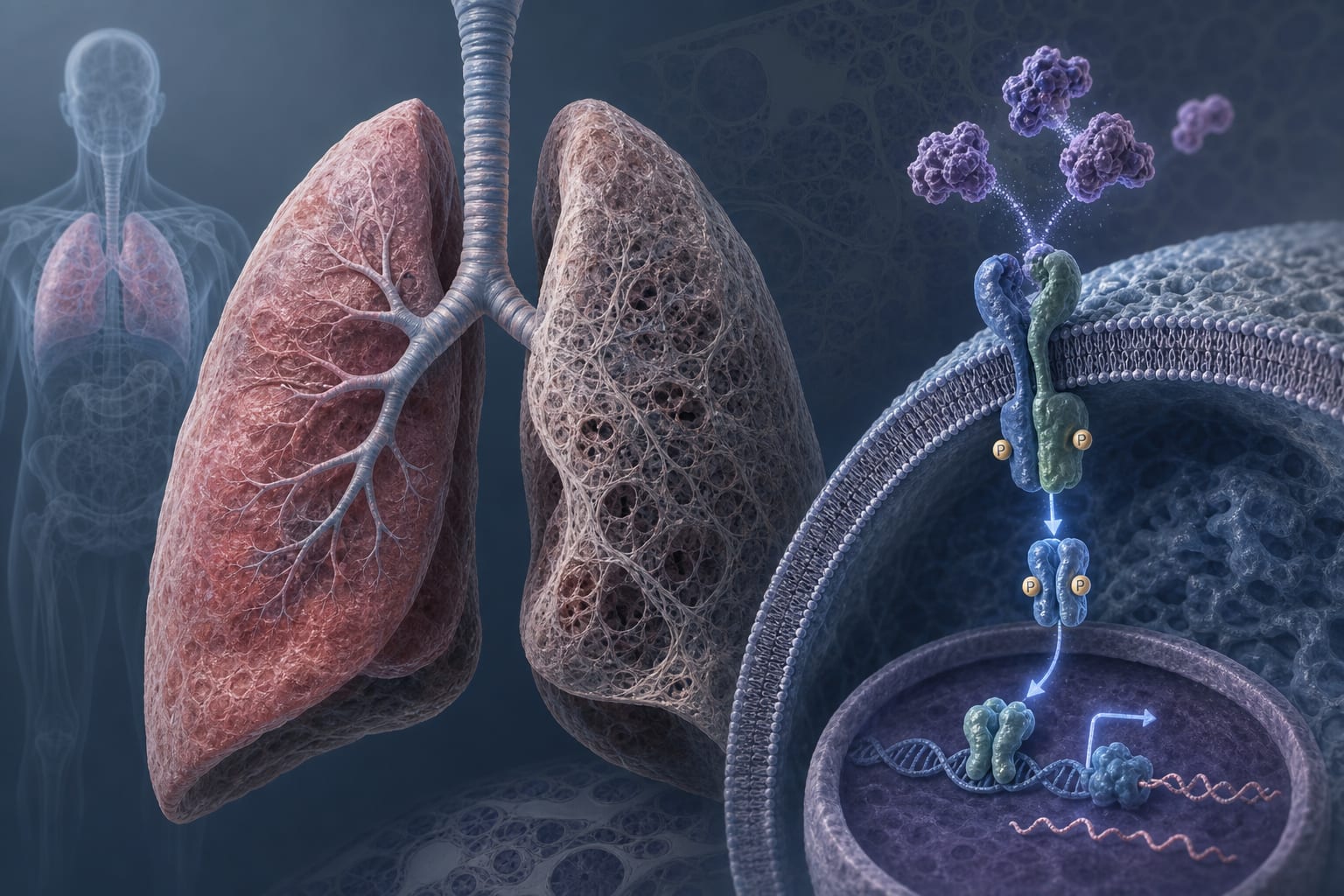
    • STAT3 signaling was prominently activated in both T effector cells and regulatory T cells.
    Interpretation:

    IL-10 has a dual role in lupus, with its regulatory effects slightly outweighing its pro-inflammatory actions under the studied conditions.

    Limitations:
    • The study was conducted in a murine model, which may not fully replicate human SLE and its complexities.
    • Further research is needed to clarify the context-dependent effects of IL-10 signaling.
    Conclusion:

    Further investigation is required to understand how pro-inflammatory contexts influence IL-10 signaling and its outcomes.

Original Source(s)

Related Content