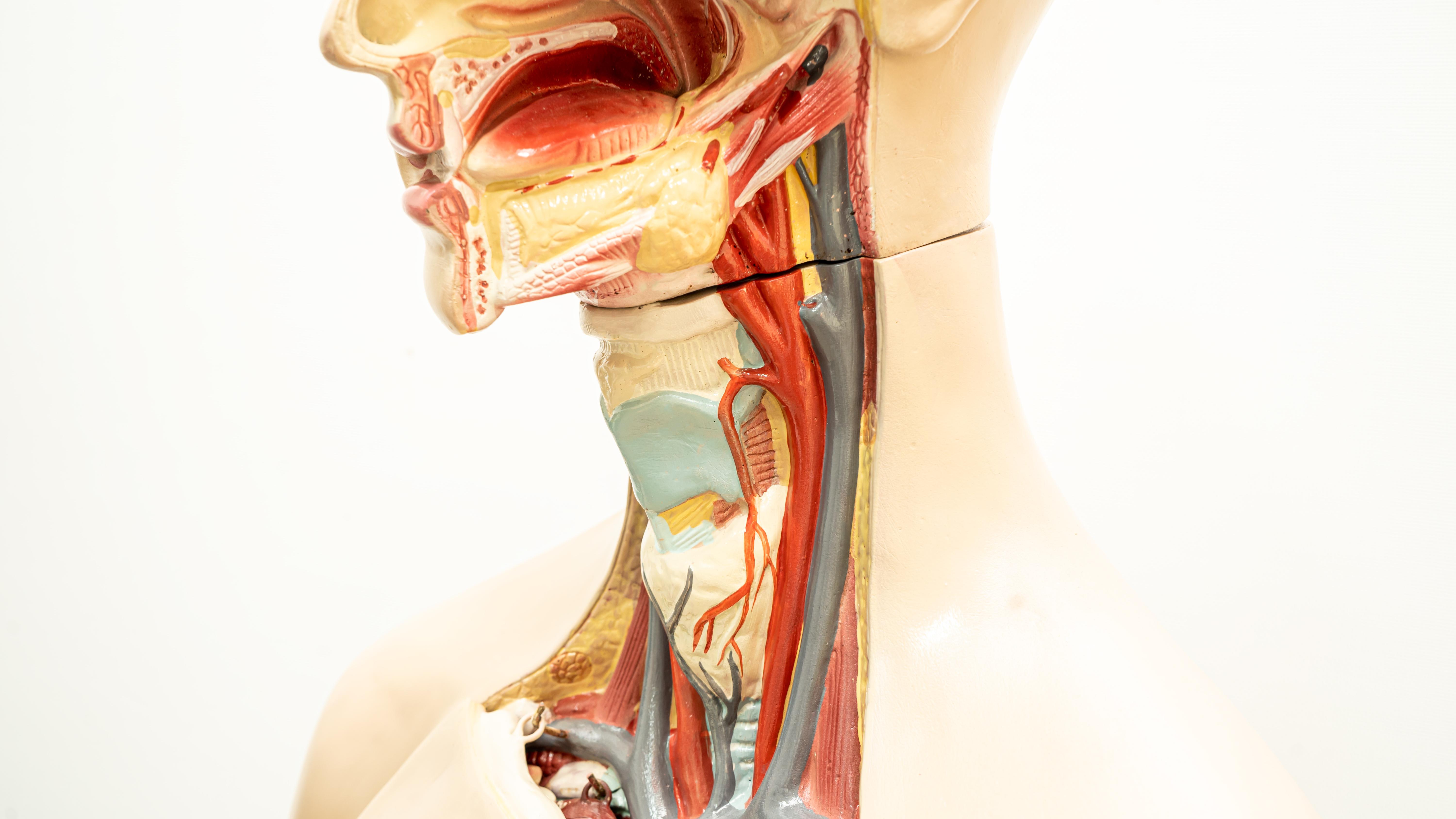
To explain the advantages and challenges of single-port robotic surgery in treating head and neck tumors, including specific challenges faced by surgeons.
Key Findings:
Single-port robotic surgery allows access to tumors previously unreachable by traditional methods, including hypopharyngeal and laryngeal cancers.
It has shown lower rates of recurrence for certain cancers compared to chemoradiation.
Robotic surgery patients have better swallow function outcomes and lower gastronomy tube dependency rates.
Interpretation:
Single-port robotic surgery represents a significant advancement in head and neck cancer treatment, improving access, visualization, and patient outcomes.
Limitations:
Challenges in controlling bleeding due to large blood vessels in the pharynx, which can complicate procedures.
Instrument collision can still occur in certain cases, potentially affecting surgical outcomes.
Access to tumors is not perfect for all cases, necessitating alternative surgical approaches in some instances.
Conclusion:
Despite some limitations, single-port robotic surgery has dramatically improved surgical capabilities in head and neck surgery, with potential for further advancements in the future.