To report a case of Stüve-Wiedemann syndrome in an infant and identify a novel LIFR variant, highlighting its significance in diagnosis and management.
Approach:
Key Findings:
The identified variant (c.823G>T, p.Glu275Ter) is classified as likely pathogenic, indicating a significant risk for the patient.
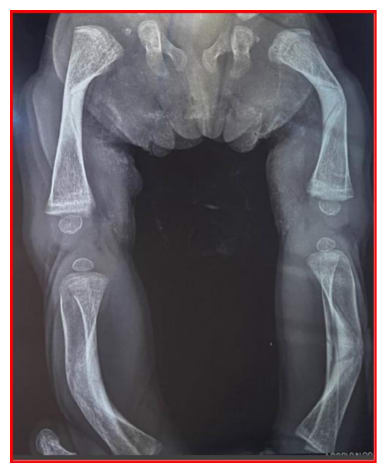
Stüve-Wiedemann syndrome is characterized by bowed long bones, joint contractures, and severe dysautonomia, which complicates management.
The infant exhibited prenatal and postnatal symptoms consistent with the syndrome, including intrauterine growth restriction and feeding difficulties, which are critical for early intervention.
Dysautonomia is a significant contributor to early mortality, with a global mortality rate of 46%, emphasizing the need for vigilant monitoring.
Interpretation:
Molecular confirmation of LIFR variants can differentiate Stüve-Wiedemann syndrome from other skeletal dysplasias, aiding in accurate diagnosis and management strategies.
Limitations:
The report is based on a single case, limiting generalizability; further studies are needed to validate findings.
Long-term outcomes and survival rates require further investigation to inform clinical practice.
Conclusion:
While initially considered uniformly lethal, some patients may survive beyond the first two years of life, indicating a need for ongoing research into the condition to improve patient outcomes.