Influence of laboratory and radiographic parameters on the clinical presentation and outcome of surgically treated patients with primary brain abscesses - Summary - MDSpire
Advertisement
Influence of laboratory and radiographic parameters on the clinical presentation and outcome of surgically treated patients with primary brain abscesses
To identify specific risk factors associated with unfavorable outcomes in patients who underwent surgery for primary intracranial abscesses alongside antibiotic therapy.
Key Findings:
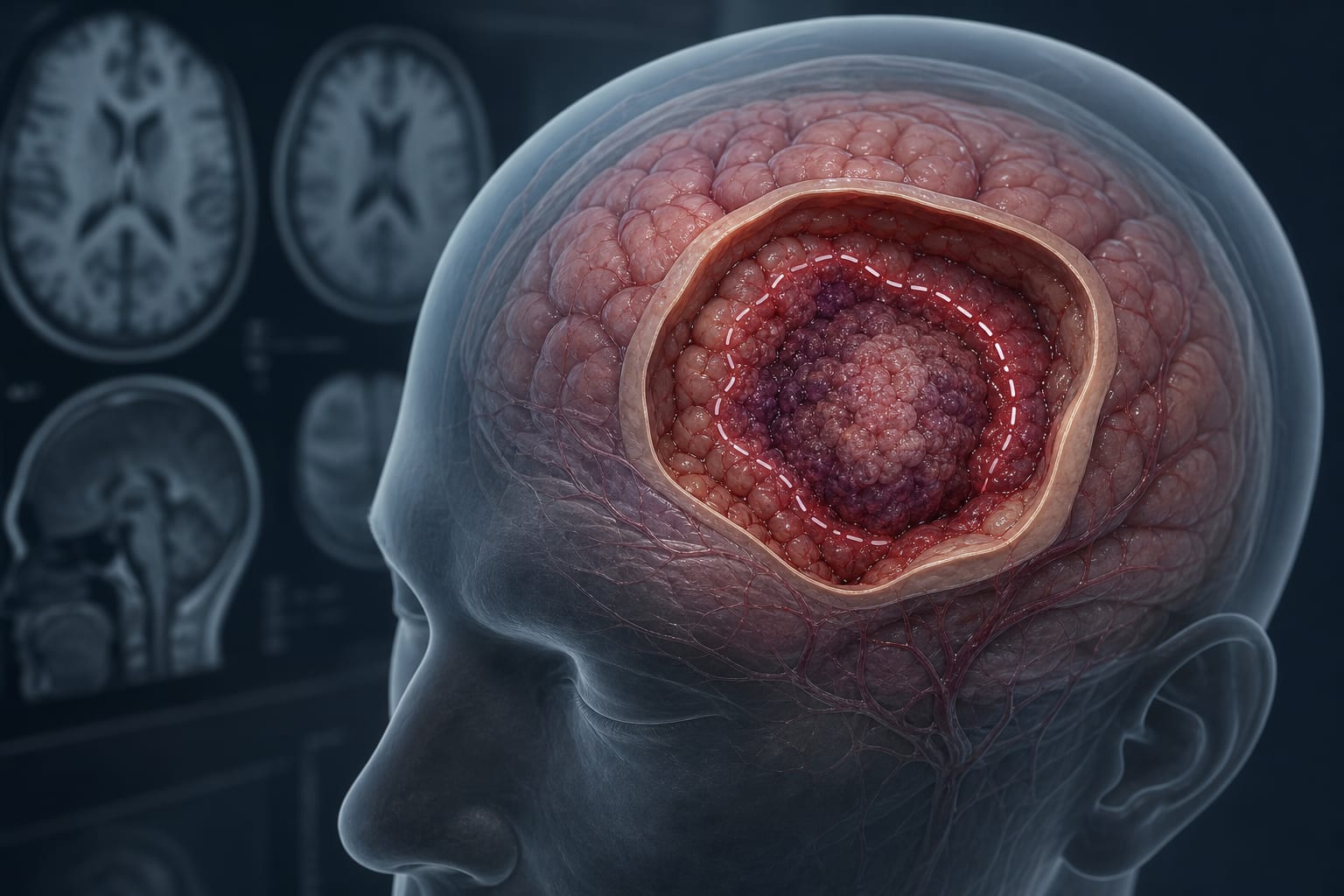
Morbidity and mortality rates for brain abscesses remain high despite advances in treatment, with rates ranging from 4.9% to 8.5%.
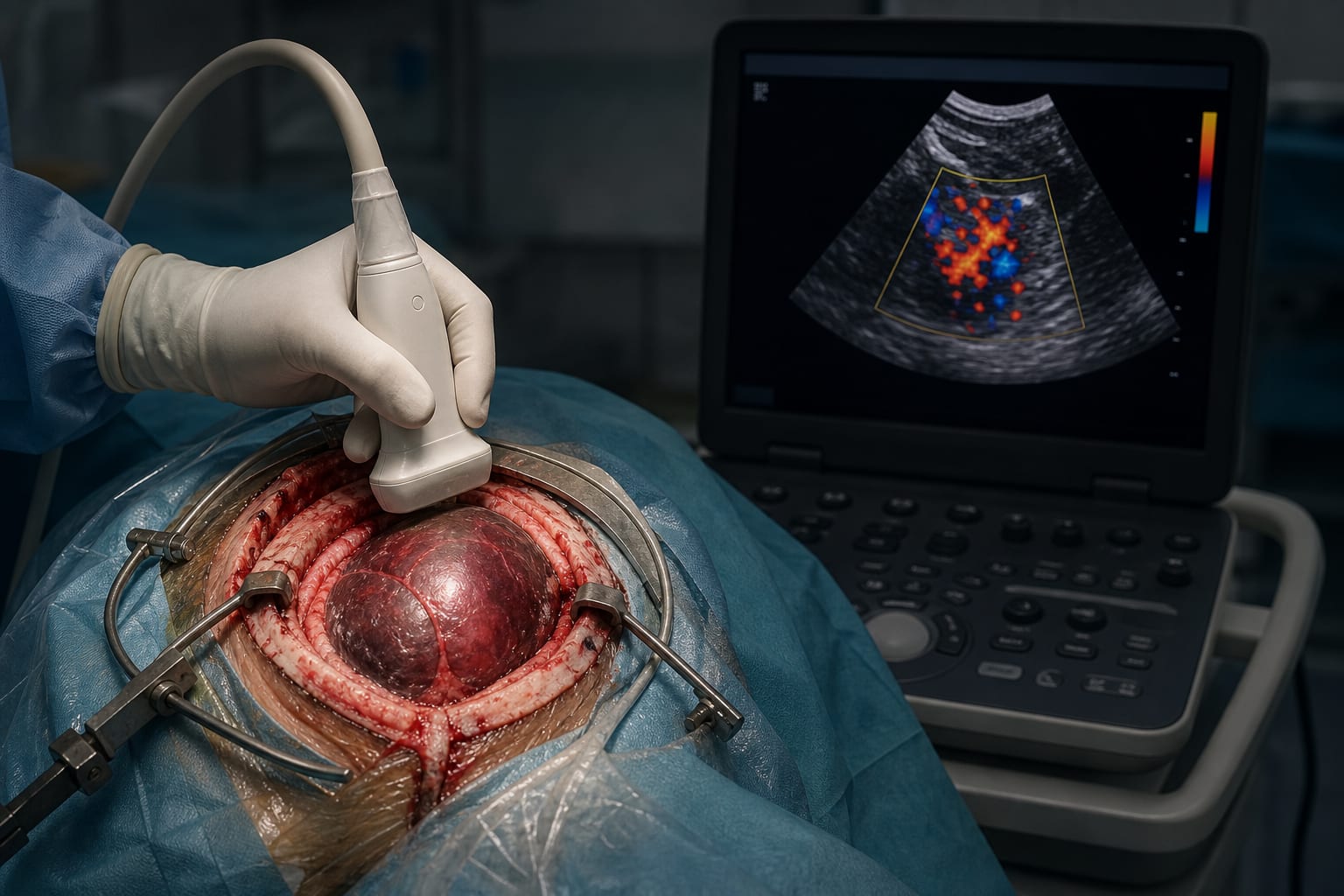
Neurosurgery is a cornerstone of management, recommended by ESCMID as the preferred approach for most cases.
Laboratory and imaging parameters significantly influence clinical outcomes, highlighting the need for comprehensive assessment.
Interpretation:
Early diagnosis and appropriate treatment are crucial for minimizing neurological complications in brain abscess patients, emphasizing the need for timely intervention.
Limitations:
Retrospective design may introduce selection bias, potentially affecting the reliability of the findings.
Exclusion of patients with certain conditions limits generalizability, as these patients may represent a significant portion of the population.
Conclusion:
Identifying risk factors can improve management strategies for patients with primary brain abscesses.
These 10 states make it more practical for physicians to participate in hospital ownership by aligning statutory structure, corporate practice of medicine rules, and population trends.