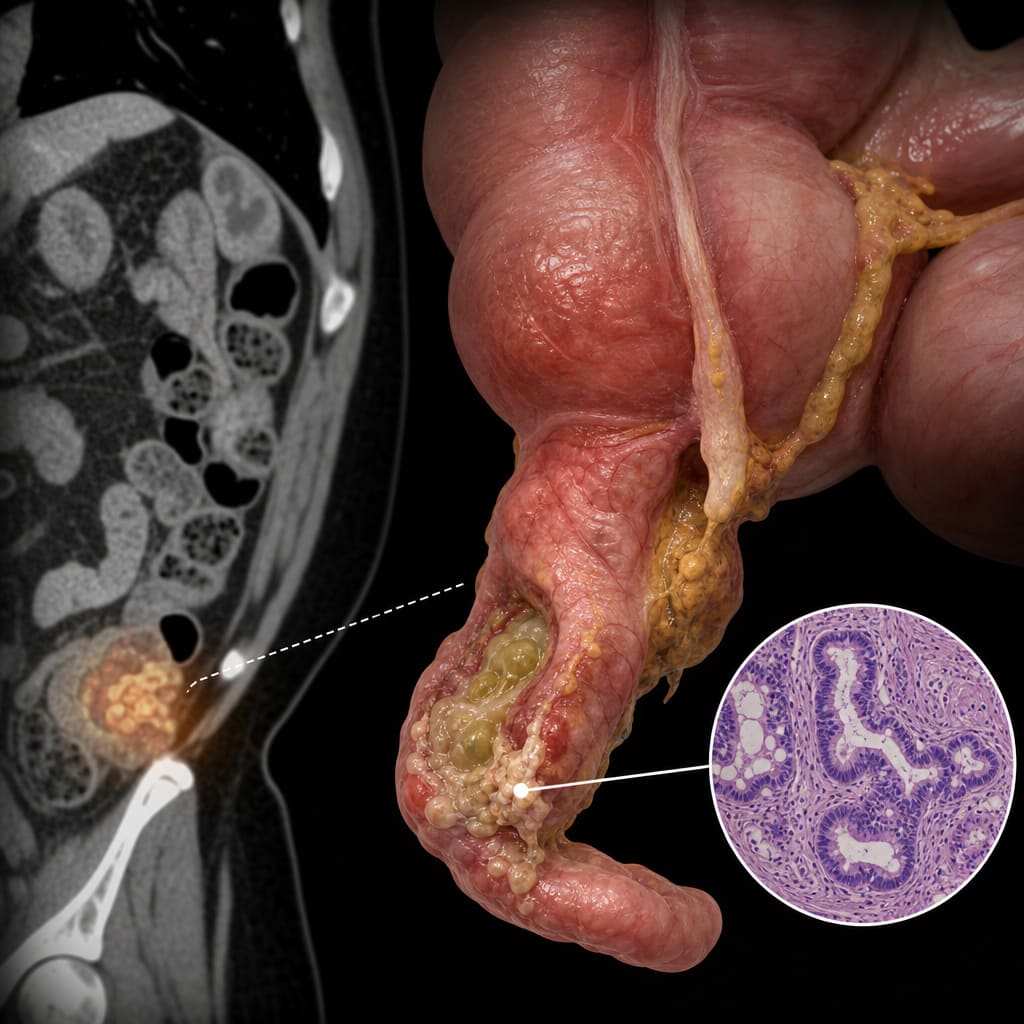
To evaluate clinical features and endoscopic outcomes in children with high-risk upper gastrointestinal (GI) foreign bodies, stratified by object type.
Key Findings:
Among 155 children, 61 (39.4%) ingested sharp objects, 42 (27.1%) magnetic objects, and 52 (33.5%) button batteries.
Button battery ingestions were most common in children aged 0–3 years.
Sharp objects were predominantly lodged in the esophagus, while magnets and button batteries were mainly retained in the stomach.
Magnetic ingestions had the longest duration (>24 h) and higher rates of vomiting and perforation.
Esophagogastroduodenoscopy (EGD) had a success rate of 96.1%; two sharp cases required rigid esophagoscopy.
Interpretation:
Limitations:
Retrospective nature may limit the comprehensiveness of data.
Study conducted at a single center may affect generalizability.