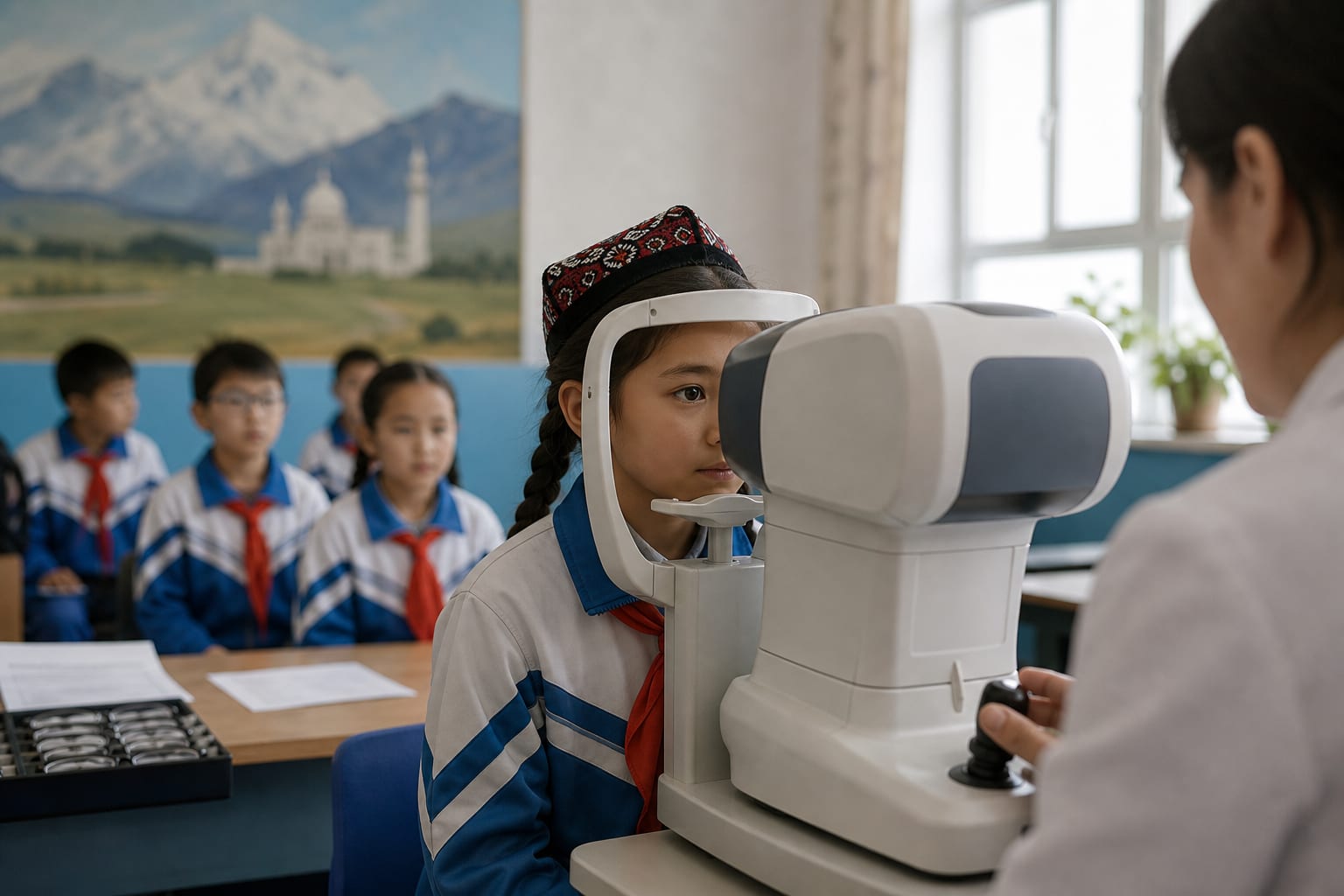
To investigate the delayed increases in refractive and corneal astigmatism among Hong Kong schoolchildren following COVID-19 restrictions, emphasizing the significance of these findings.
Key Findings:
Refractive astigmatism prevalence increased from 25% in 2020 to 35% in 2022-2023 (not statistically significant compared to baseline).
Corneal astigmatism prevalence remained stable at 59% in 2020 before rising to 67% in 2021.
Mean refractive astigmatism magnitude increased from 0.70 diopters in 2020 to 0.87 diopters in 2022-2023.
Mean corneal astigmatism magnitude increased from 1.24 diopters in 2020 to 1.35 diopters in 2022-2023.
Pandemic period associated with increased odds of refractive (1.20 times) and corneal astigmatism (1.26 times).
Interpretation:
The delayed increase in astigmatism may reflect the need for cumulative corneal exposure rather than an immediate response to pandemic restrictions, with implications for pediatric eye care.
Limitations:
Study population primarily consisted of Han Chinese children in a high-density urban environment, limiting generalizability.
P values were not adjusted for multiple comparisons.
Decline in recruitment in 2022-2023 may affect representativeness.
Parental astigmatism history was self-reported, introducing potential recall bias.
Conclusion:
The study suggests implications for post-pandemic pediatric eye surveillance, highlighting the need for further research on screening strategies and long-term outcomes, particularly in diverse populations.